Shanghai’s two Michelin-starred 8 ½ Otto e Mezzo BOMBANA was busy in 2025.
Not busy in a superficial sense, but in the way a finely tuned team operated at full capacity. There were times that Executive chef Nicoló Rotella shared glimpses of the kitchen on social media, in which rows of lined-up dockets spread across the pass, captioned simply, “full house”.
Restaurant manager and sommelier Ervin Ong put it just as plainly: “we’ve been busy indeed.”
Much has changed since the 28-year-old Chef Rotella took the helm of the 13-year-old Italian establishment in late 2024.
Most striking is how quickly it has reintroduced itself to the market. Its tone feels younger, language more contemporary, and its guests noticeably refresh – couples on dates, friends gatherings over dinners, and young diners bringing their parents.
“How have you achieved that?” I asked.
“You’re the third person to ask me that today,” Rotella replied. He cited good food, attentive service, approachable pricing – and, perhaps he spent much time in the restaurant and kitchen.
“Do you have many regulars?”
“Many,” he said without hesitation.
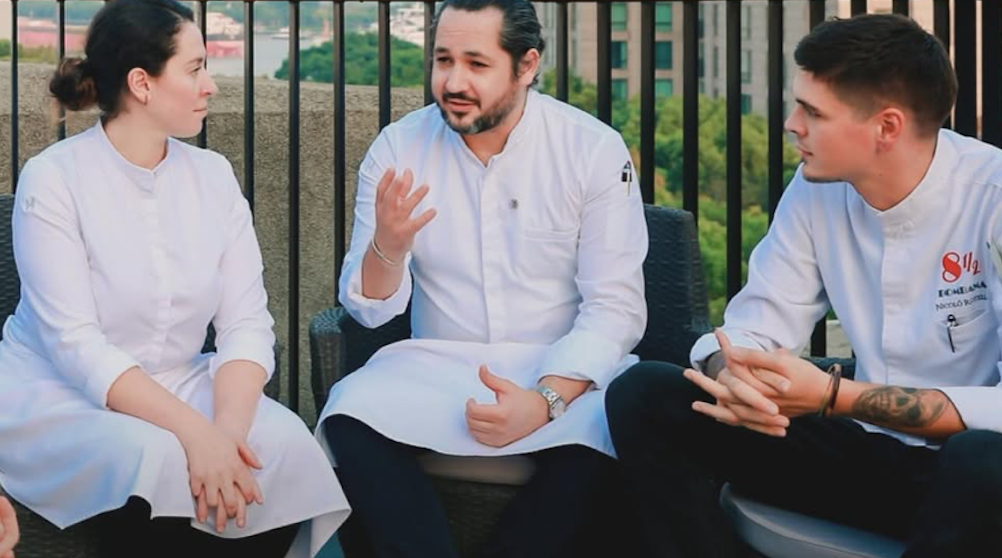
On January 11, 2026, the restaurant hosted a collaborative dinner with Araya, Singapore’s one Michelin-starred restaurant and the world’s only starred Chilean dining room. Unsurprisingly, the house was full. Once again, a younger generation of guests dominated the dining room.
This collaboration was like a reunion among friends. Before moving from Shanghai to Singapore to open Araya, the chef duo Francisco Javier Araya and Fernanda Guerrero had already known Rotella for years. Although each kitchen presented its own dishes, the menu was with cohesive.
On the surface, it was a conversation between Chilean and Italian cuisines. However, it was an exchange of culinary culture in South America, Europe and Asia.
Araya, based in Singapore, blends Japanese techniques, pan-South American influences, and Chilean culinary heritage. BOMBANA Shanghai, roots in Italian tradition while absorbing Chinese terroir.
The chefs, notably, spent formative years living and working in Shanghai – experiences that have become part of their shared culinary memory.
How were these elements brought together? Rotella’s opening dish offered a clue. To echo Araya’s heritage from South America, he got inspiration from Japanese chawanmushi. Corn was charred to a gentle smokiness, garnished with corn shoots, and set atop a corn espuma seasoned with yuzu kosho.
Corn, a symbol of South American cuisine since ancient Indigenous civilizations, is both a daily staple and a ritual offering. One bite was able to evoke the continent’s soul. Paired with Krug Grande Cuvée 173ème Édition, notes of citrus and vanilla cream unfolded through fine bubbles, setting a luminous tone for the evening.
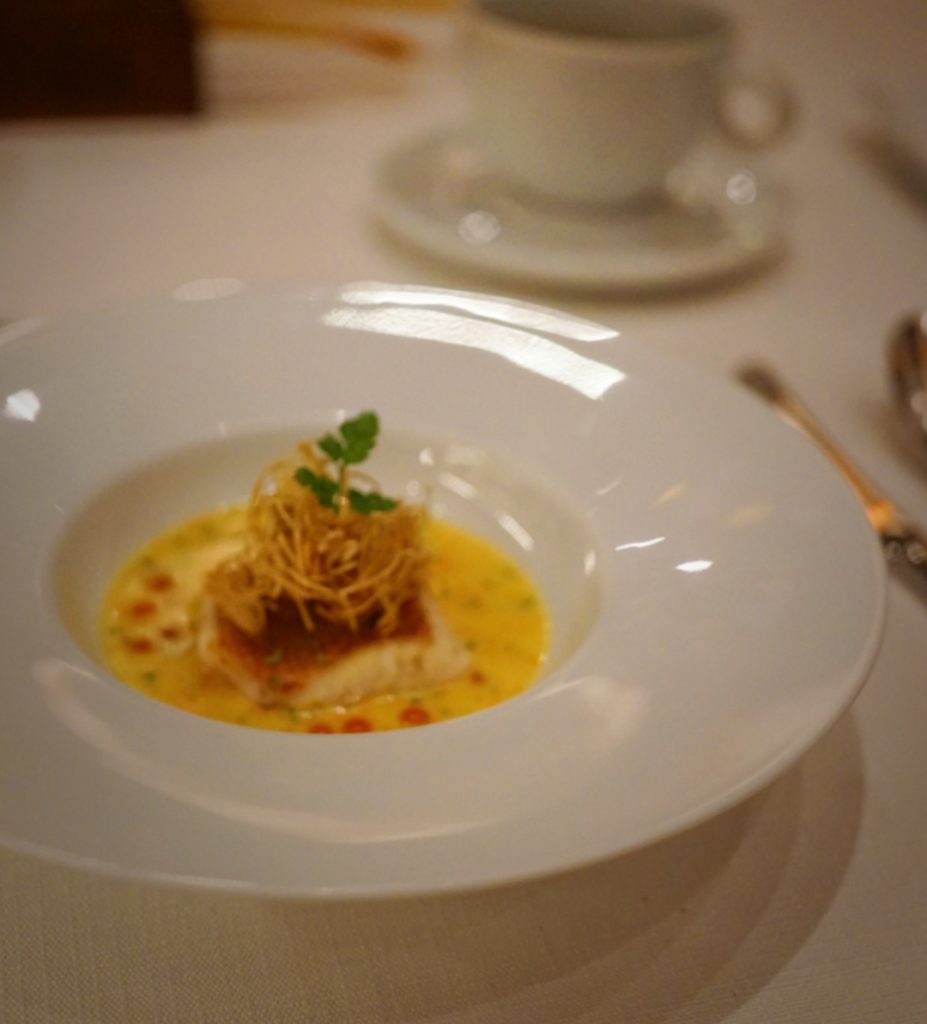
Francisco Javier Araya’s dish spoke clearly of both origin and journey. Coral grouper was paired with aji amarillo – a signature chili in Peruvian and broader South American cooking – alongside Japanese white kombu and salmon roe. A pale green sauce of fresh yellow-green chilies, cilantro, and lime juice brought brightness and lift.
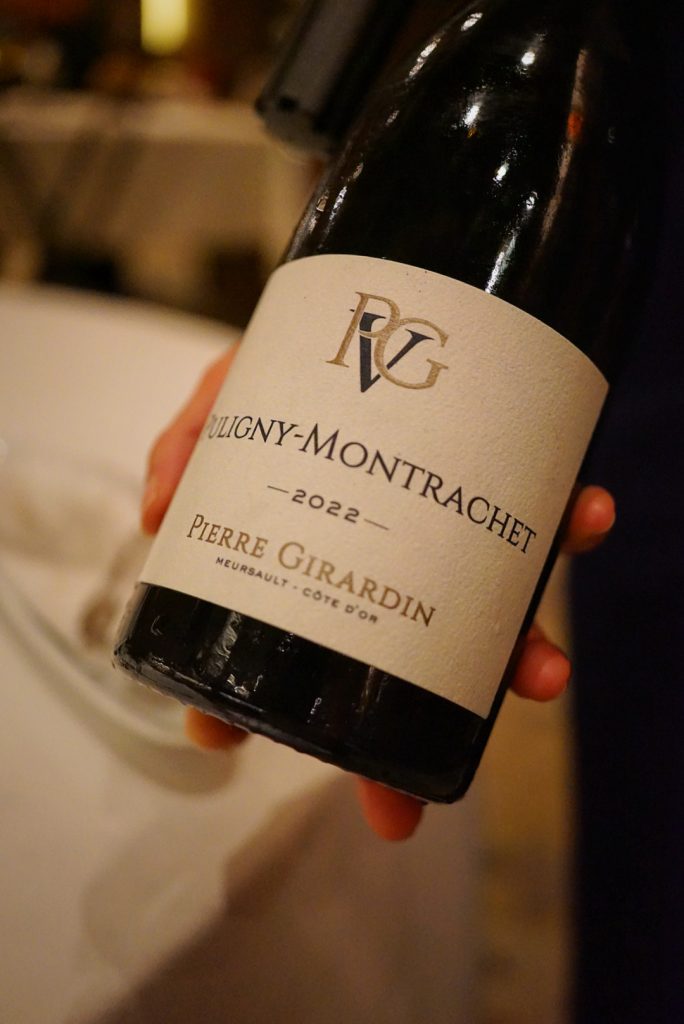
In the glass, Burgundy wine brought richness, while hints of sesame oil, cream, and butter – balanced by an acidity – intertwined with the oceanic salinity of the dish, creating layered complexity.
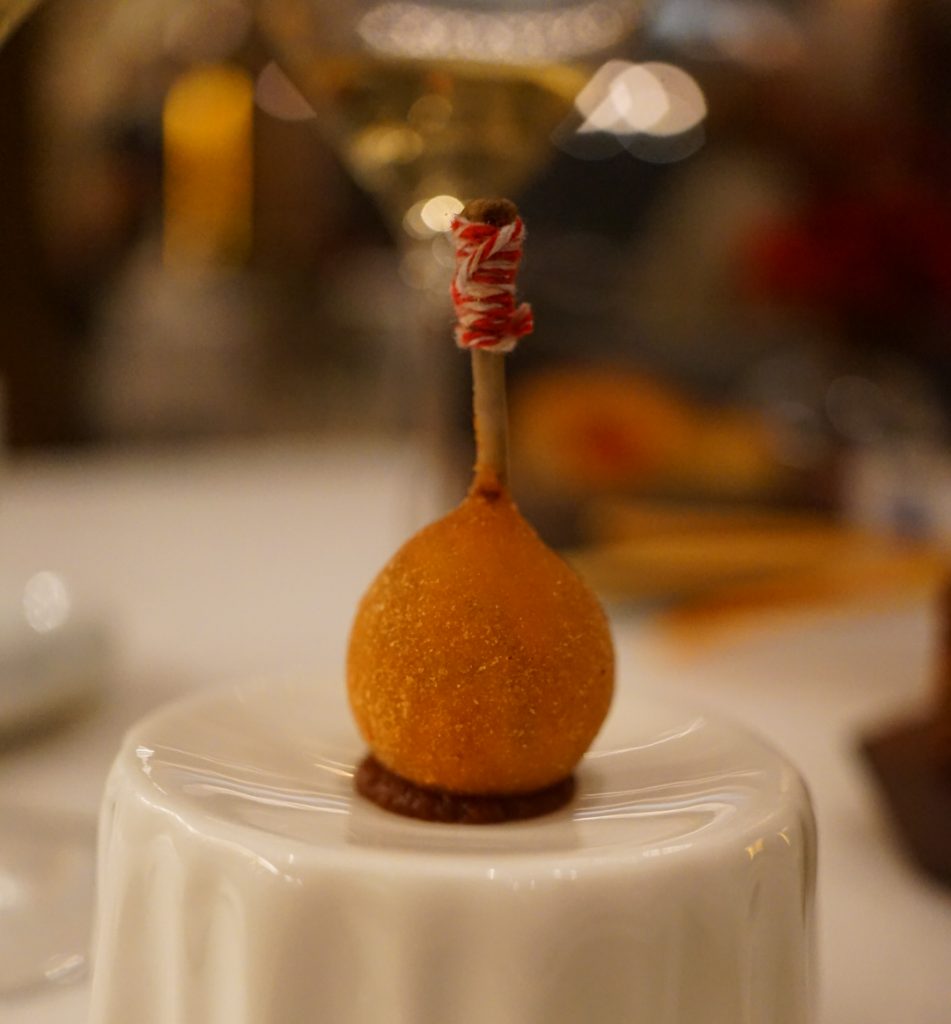
The pigeon main course pushed the idea to its most expressive form. Pigeon sourced from Chongming Island in Shanghai was gently smoked, then paired with a cocoa sauce aged for about 865 days with more than 55 herbs. A playful pigeon “lollipop” added finesse. With the support of Chilean red wine, the dish was rich and expansive – South American intensity meeting Chinese delicate flavors in balance.
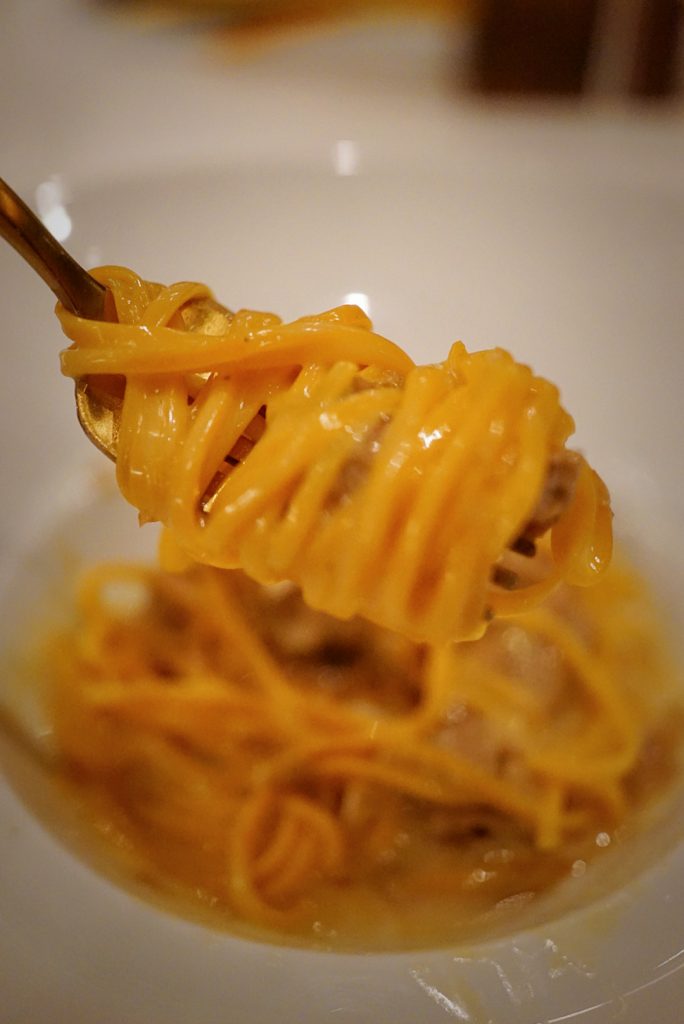
Even beyond peak season, the restaurant secured white truffles of exceptional quality. Handmade pasta, butter, veal jus, 36-month Parmigiano Reggiano, and freshly shaved white truffle, simple and purity.
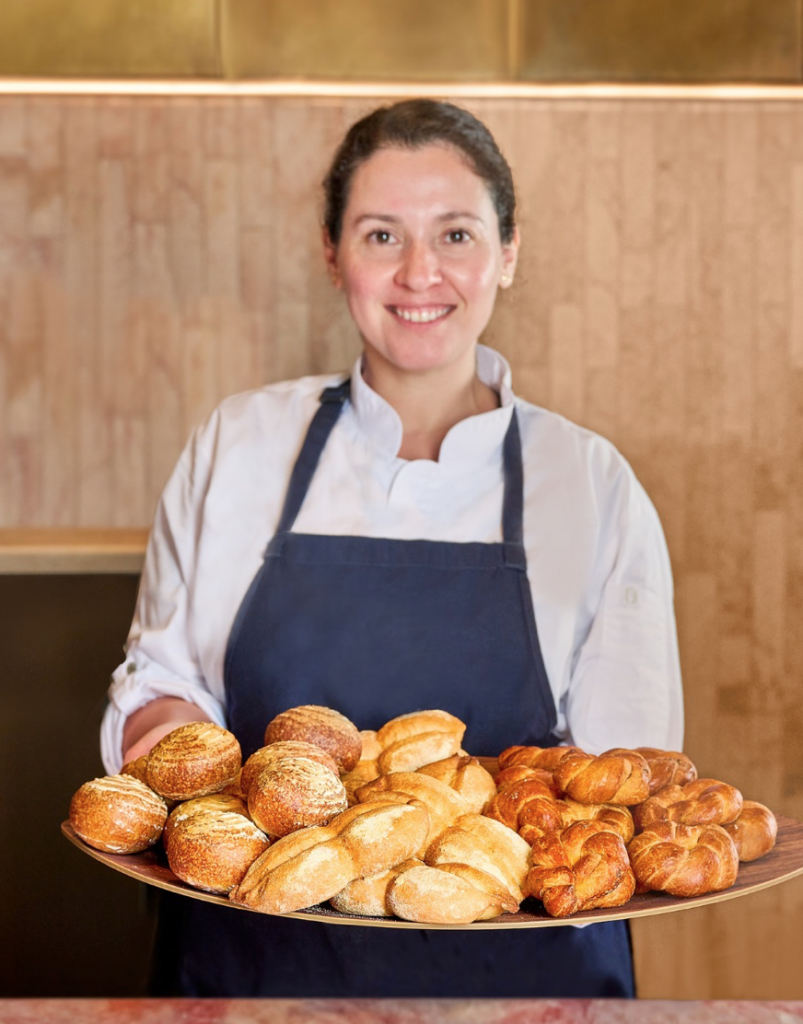
Returning to Shanghai filled Fernanda Guerrero with joy, a sense of familiarity tinged with new discovery.
She recalled that the eight years they had spent in the city as a time when life felt vivid. Moving to Singapore represented a new opportunity – access to ingredients from around the world and a platform to tell the story of Chile’s diverse terroir.
She is often moved when Singaporean diners mention having traveled to Chile, and food instantly bridges distance. At the same time, she acknowledges the realities of Singapore has a compact, highly competitive dining scene that demands constant focus.
Back in the dining room, many guests hail from Shanghai. Well-traveled and discerning, they may rarely encounter Chilean cuisine due to geographic distance. When unfamiliar ingredients and flavors arrive at the table, surprise follows. And learning that the chef duo once lived in Shanghai only deepens their sense of warmth and trust.
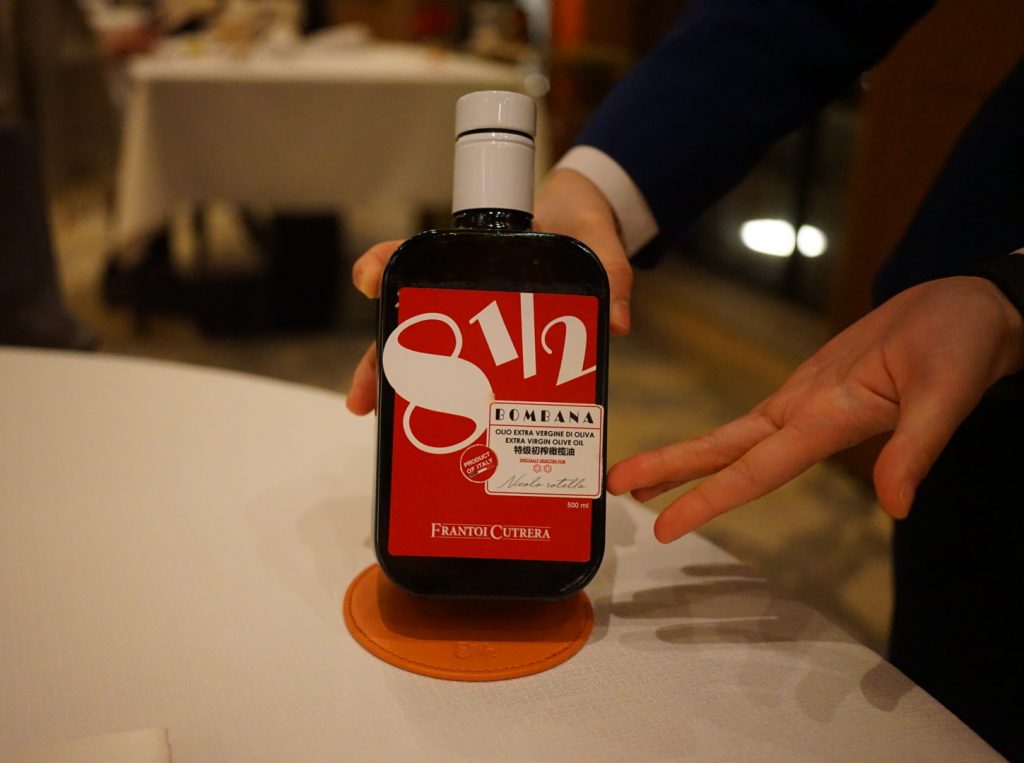
With its vitality undiminished, BOMBANA Shanghai shows no signs of slowing. Rotella revealed that 2026 will bring an even fuller calendar of events. Alongside continued development of cuisine and service, hardware upgrades are already underway.