“All the restaurants are excellent, and the service is genuinely thoughtful. It’s impressive – this is one hotel, but it offers such a diverse range of dining concepts.” That’s how a hospitality professional in Macau summed it up on social media.
Industry peers from Shenzhen agreed: “Every restaurant is good, so is the bar.”
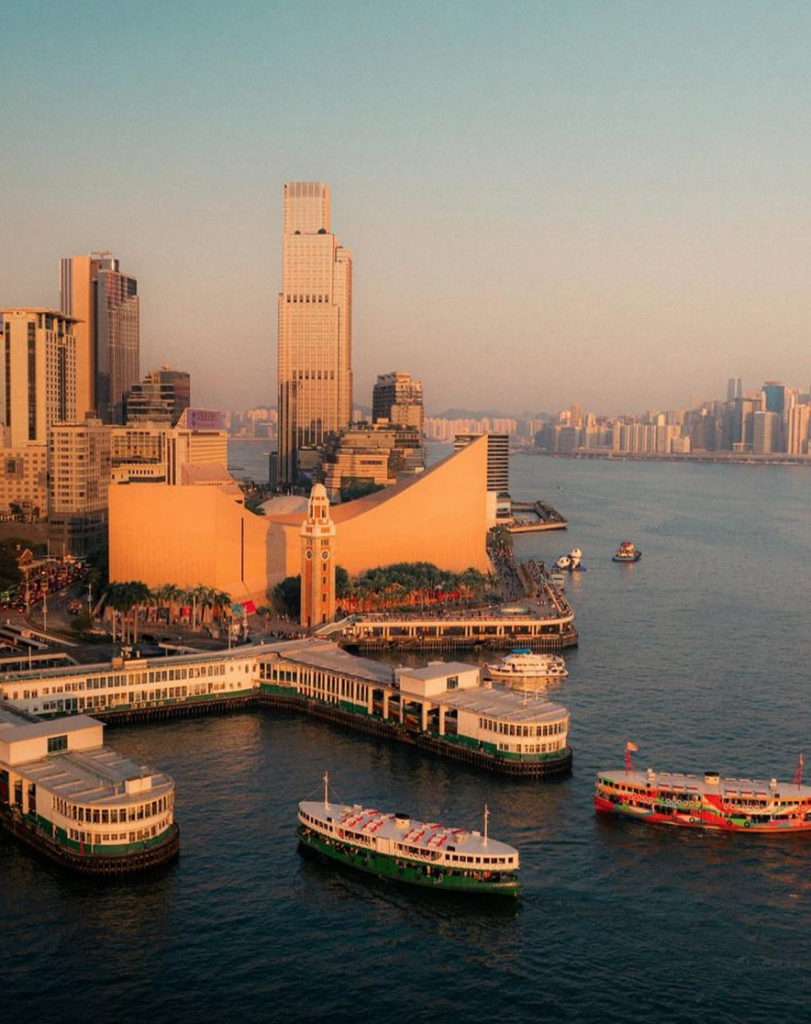
Set along Victoria Harbour in Tsim Sha Tsui, Rosewood Hong Kong – recipient of The MICHELIN Guide’s Three-Key selections and named Asia’s Best Hotel and The World’s Best Hotel 2025 – occupies one of Hong Kong’s most prominent waterfront sites. But what distinguishes it is not only its architecture or culinary range. It is, more fundamentally, cultural.
This site carries history and memory. Once home to the New World Centre – a cornerstone of the Cheng family’s legacy – it was, in the 1980s, a place where locals gathered with family to shop and dine. It was lively, ordinary, and deeply familiar. People grew up here, and childhoods unfolded here.
“When I was a child, my father would bring me here,” recalled staff member Sylvia Wong, referring to Sonia Cheng, chief executive of Rosewood Hotel Group, who even learned to ride a bicycle on this ground.
When redevelopment came, that sense of familiarity was not erased but reinterpreted – to ensure the openness of a place people could come and return to. Today, Rosewood Hong Kong carries that spirit forward.
A table for everyone
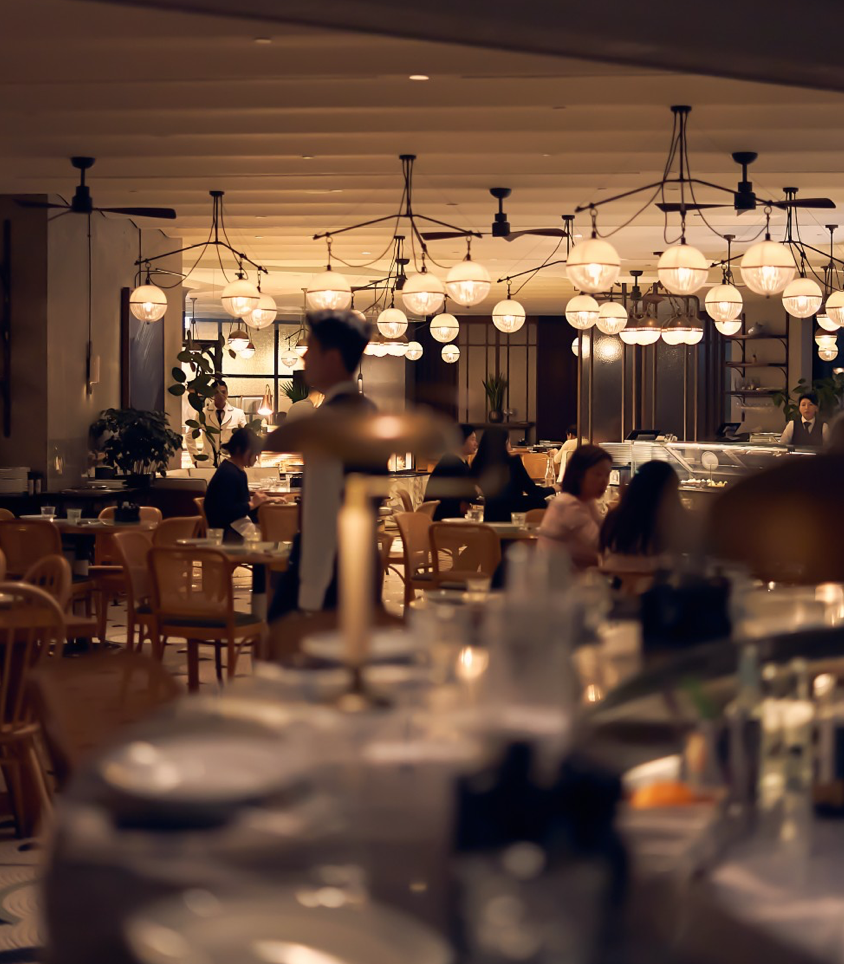
Food is where this philosophy is most visible. From Michelin-starred venues like The Legacy House and Chaat to the nostalgic ease of Holt’s Café, and the convivial energy of BluHouse, Marmo Bistro, and The Butterfly Room, more than a dozen concepts coexist under one roof. There are no rigid boundaries. Guests can arrive for a refined tasting menu or simply for a casual bite. Pricing, atmosphere, and pace all leave room for choice.
“Even with Michelin-starred restaurants, our pricing isn’t out of reach. We want locals to feel comfortable dining here,” Wong added that many returned regularly.
On a weekday afternoon in early April, well past lunch service, BluHouse still hums with life. Tourists, expatriates and local diners sit in easy clusters – some lingering over late lunches, others pausing for coffee or a drink. The mood is relaxed, almost effortless, hinting Hong Kong’s revival.
Staff noted that it was markedly busier in March, with major events like Art Basel and the Easter holiday drawing crowds. Executive Chef Giovanni Galeota said: “We’re one of the busiest restaurants in Hong Kong. We cover about 10,000 guests each month.” Its location – steps from the Avenue of Stars – brings constant foot traffic, while loyal regulars ensure a steady return.
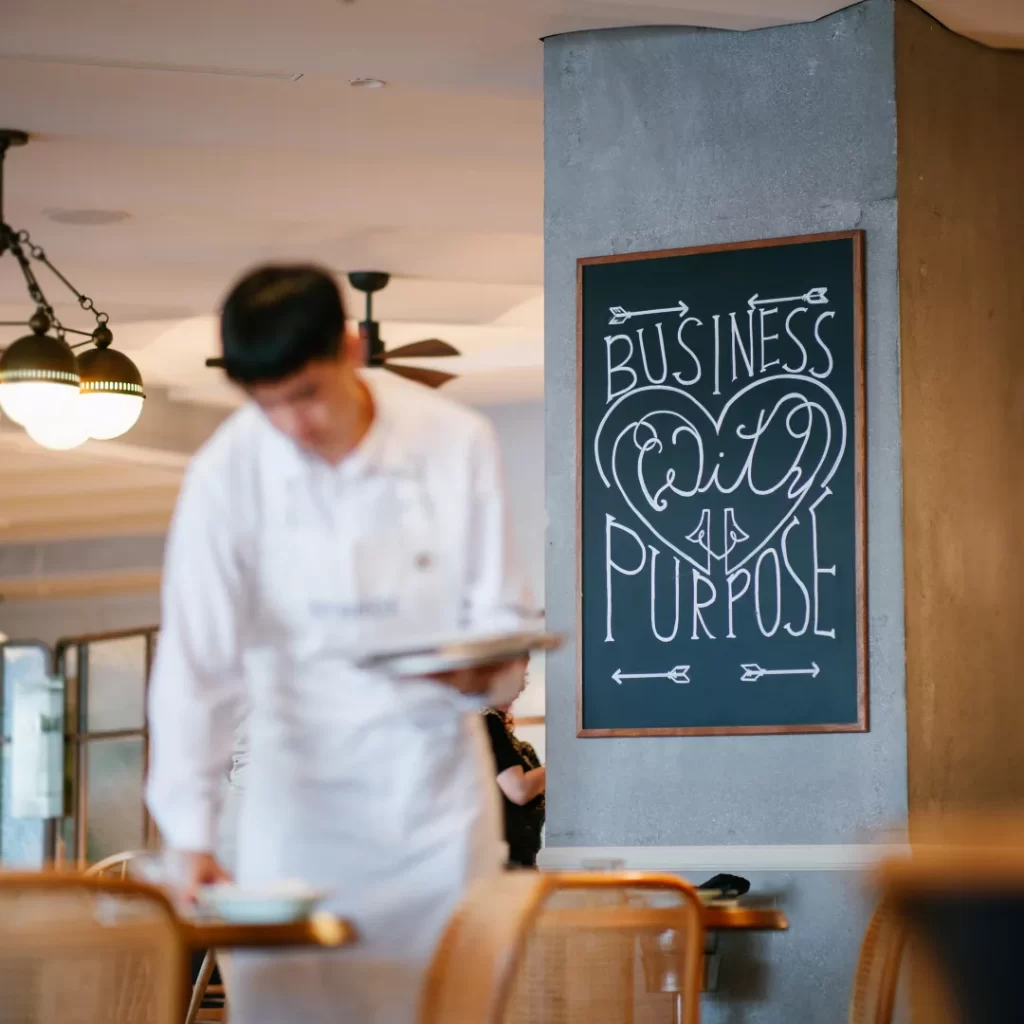
Moreover, BluHouse operates as a vehicle for something larger, which is a commitment to sustainable care.

On the menu, a signature BluPlate dish (handmade linguine with clams, broccolini and white wine) carries a built-in contribution: each order triggers a HK$20 donation to Inherited Sports, an organization supporting ethnic minority youth through training and career development.
When asked about the high donation, Chef Galeota answered: “Because we want to make a real impact.”
The commitment extends beyond a single dish. BluHouse allocates 1 percent of its revenue to programs supporting ethnic minorities, refugees and underprivileged communities in Hong Kong. Initiatives include BluUp, developed with LoveXpress, which provides vocational training for young people with autism, as well as BluRun, an annual charity event supporting RUN Hong Kong.
Operational choices feature similar priorities. Surplus food is redistributed at reduced prices via the Yindii app to minimize waste, while a forthcoming menu will focus entirely on locally sourced ingredients – an understated but meaningful step toward environmental responsibility.
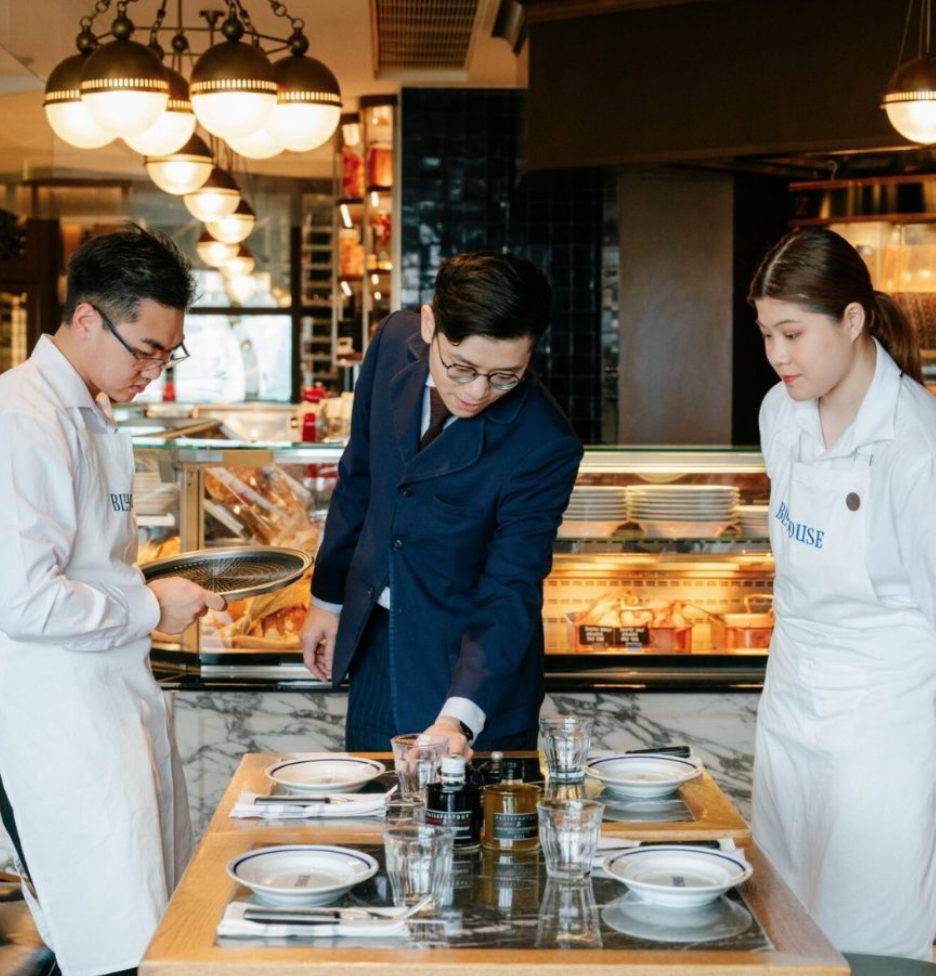
“We don’t treat them as a special group, and they go through the same process as anyone else. The question is whether they want to build a career here.” Wong said of BluUp participants. Some stay and others move on with the hotel’s support. One participant, fluent in English, later transitioned to another restaurant within the property.
“At times they return with their families. When parents see their children working independently, it can be very moving – sometimes to tears,” Wong said. The emphasis is not on charity but on dignity, offering a space where individuals can find purpose and stand on their own.
Culture as hospitality
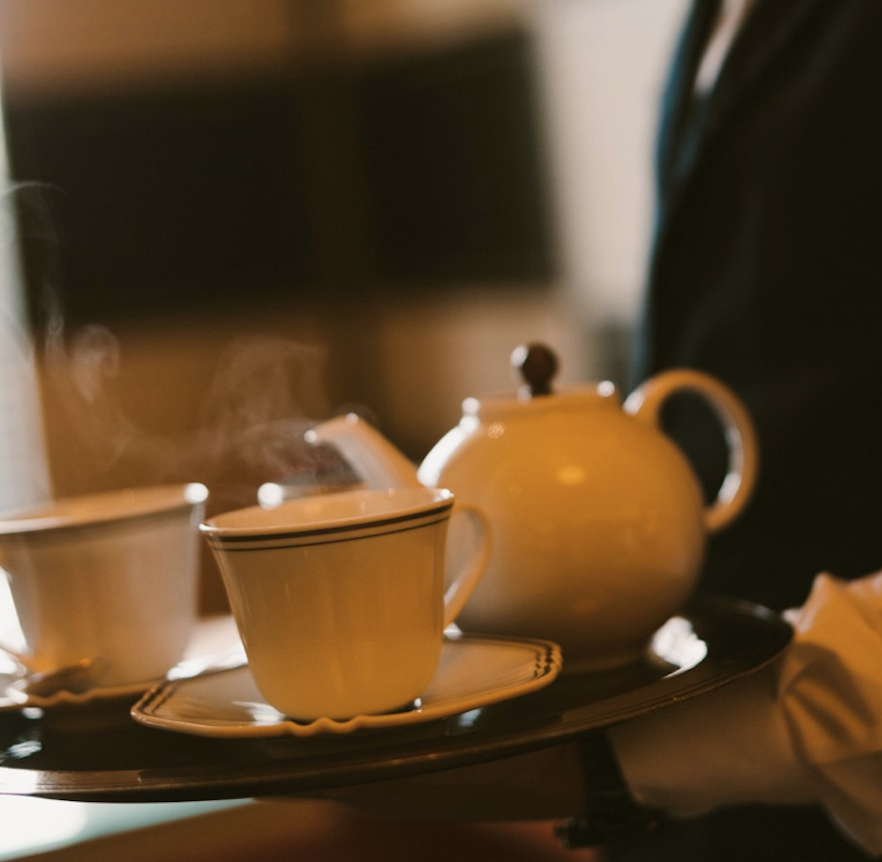
That same ethos extends inward. Asked staff what they value most, and the answer was immediate: culture.
Kelvin Lam from Holt’s Café illustrated: “No one at our hotel wears name badges. It encourages us to build a real interaction and to create a genuine connection with guests.”
Employees feel valued. Lam recalled company policies that support working parents, including fully paid parental leave for both women and men. He said: “the company takes care of us, so we want to give back. It’s mutual.”
Equality is treated as a baseline. Wong explained: “There’s no unequal pay for the same work. Everyone is respected, and every contribution is recognized.”

Beyond the hotel, the same thinking informs wider initiatives. The Rosewood Foundation launched Rise to the Table: Empowering Women in Hospitality, bringing 11 chefs, sommeliers and hospitality professionals from eight countries for a week of workshops and exchange in Hong Kong in March, followed by a year of mentorship.
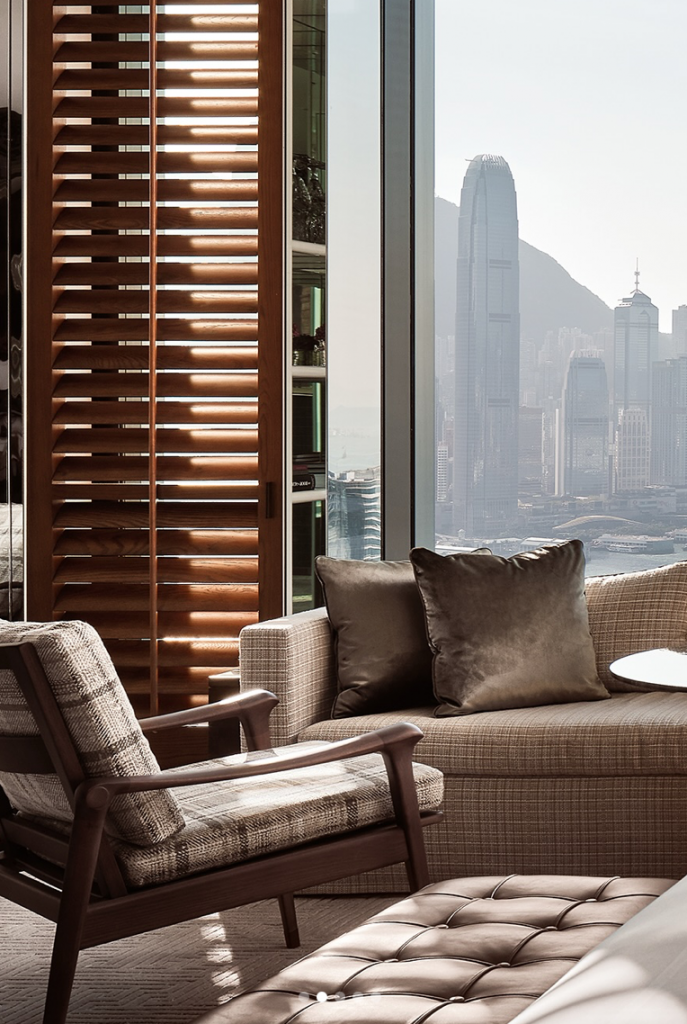
At Rosewood Hong Kong, luxury is accessible and human. It lives in small, considered gestures – in how people are treated and how spaces are shared. Guests may not remember every dish or design detail when they leave, but they tend to remember something less tangible: the feeling of being respected and to be welcomed without effort.
And increasingly, it may be an enduring expression of luxury.