Monsieur Dior is, above all, a very good French restaurant. Only then is it Dior – a French restaurant in Beijing that carries the Dior name, not a brand experience that happens to serve food.
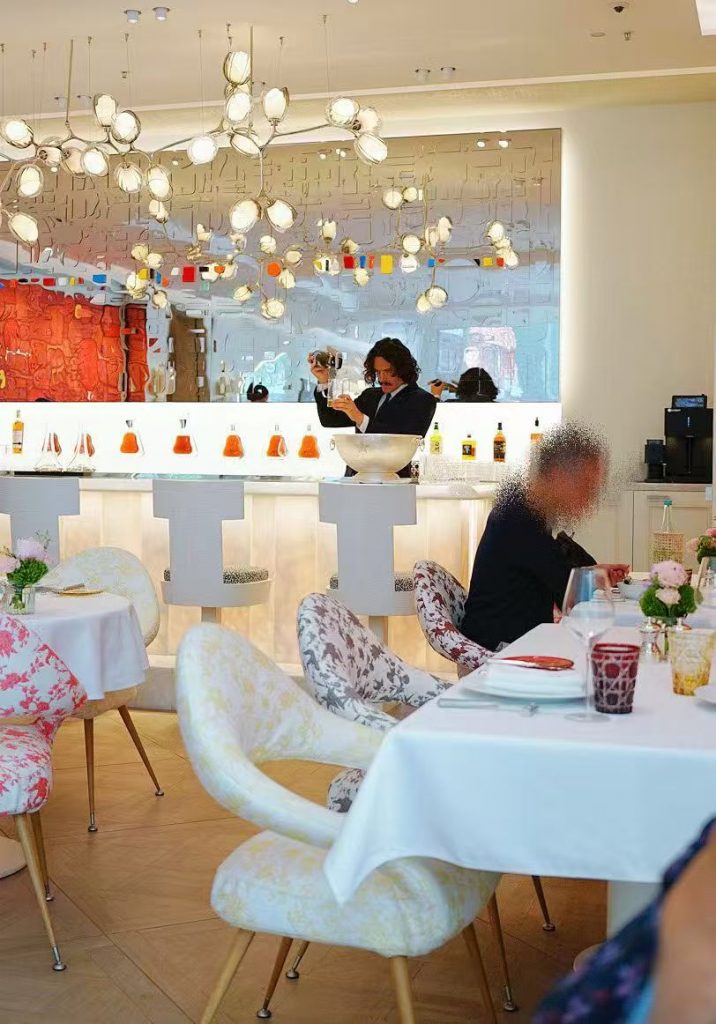
On a recent weekend lunch, the dining room was full. “It’s been busy lately,” told a staff member. She added that what many guests seem to appreciate is that the restaurant feels French. Some diners arrived via the lift from the boutique upstairs, while others appeared to have wandered down after browsing the store.
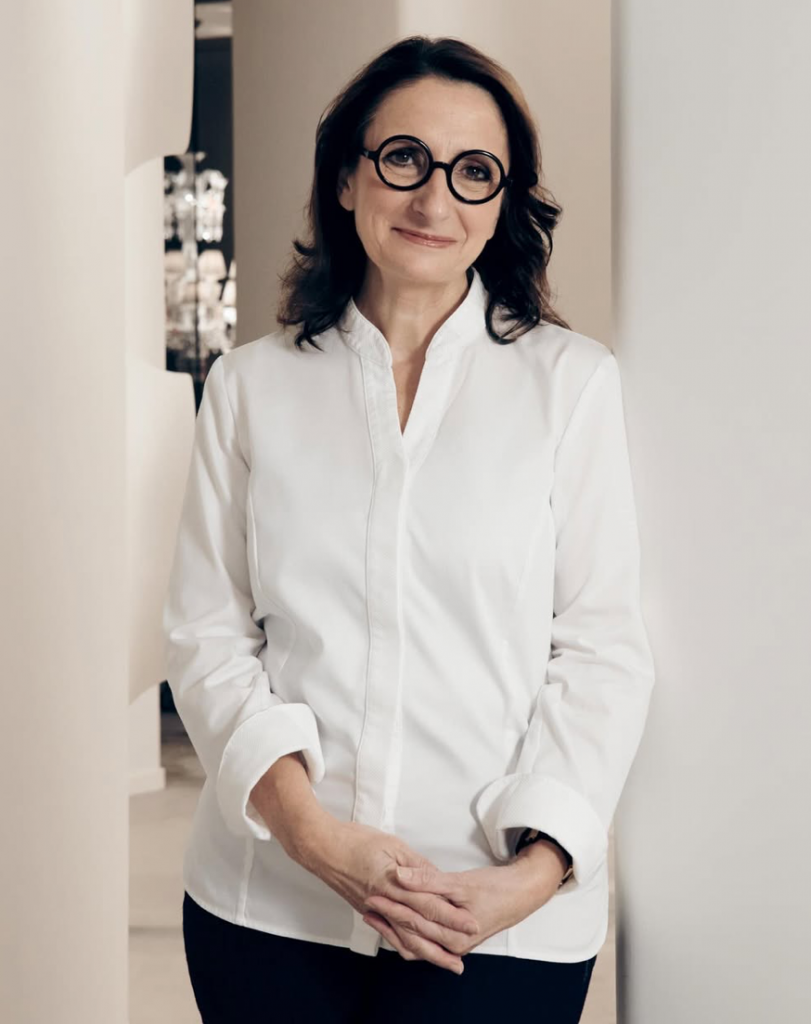
Set inside the House of Dior Beijing in Sanlitun, Restaurant Monsieur Dior is one of the two restaurants in Greater China by Chef Anne-Sophie Pic, a female chef who holds the world’s most Michelin-starred establishments. The other, Cristal Room by Anne-Sophie Pic in Hong Kong, opened in partnership with Baccarat and earned two Michelin stars in the 2026 Hong Kong & Macau Guide.
In Beijing, Chef Pic channels Dior’s couture heritage through her distinctive cuisine, where fashion, gastronomy, and a subtle expression of Chinese terroir come in one seamless experience.
Couture translated to the plate
Chef Pic’s cooking delivers flavor characters slowly, emerging themselves through aroma, texture and lingering finish.
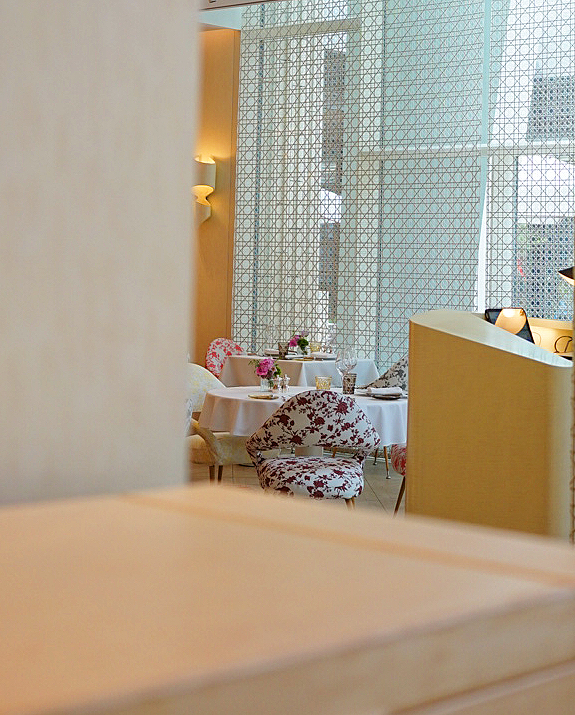
At Monsieur Dior, every detail feels pure, ethereal, delicate and exquisitely refined, suffused with effortless harmony. Each dish draws its inspiration from Dior’s legacy.
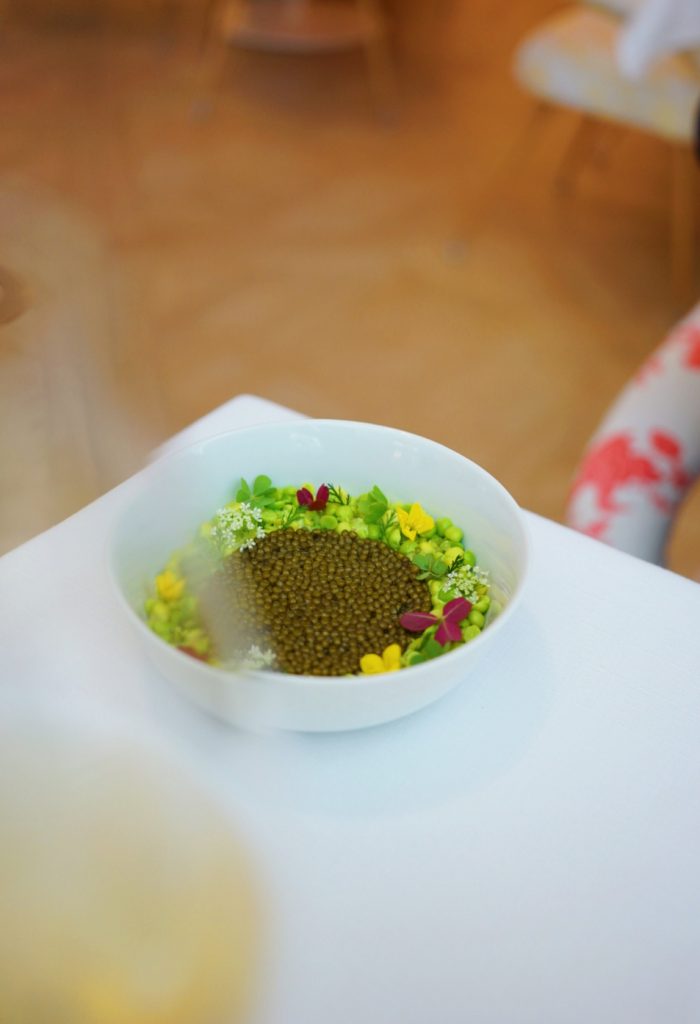
Les Perles, takes its inspiration from resident head chef Maxime Maziers’s visit to Chef Pic’s museum, where the luster and texture of pearls left an impression on him. Layers of Brittany crab are paired with caviar and sweet green peas in a balanced composition. The brininess of the caviar is mellowed by the fresh sweetness of green peas.
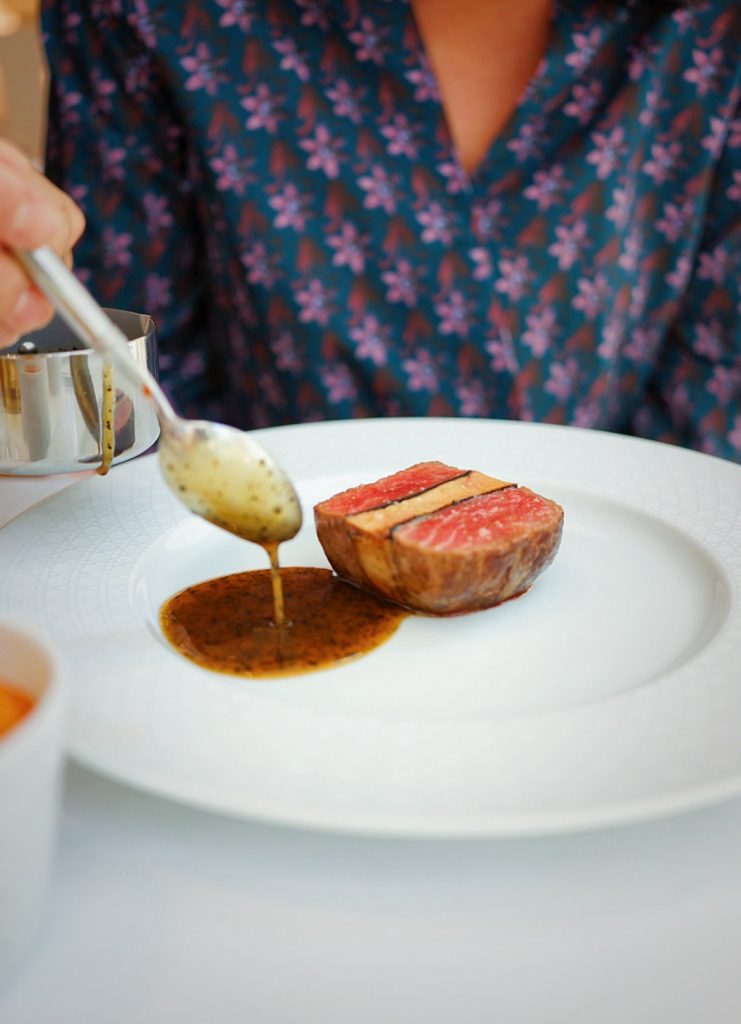
La Broderie honours Dior’s iconic ribbon embroidery. Ribbon-thin cuttlefish is paired with plump Normandy scallops, accented with caviar for depth and tied by a bright yuzu beurre blanc. Le Junon reimagines the classic Rossini steak, layering Australian wagyu with foie gras and black truffle sauce, accompanied by a potato air puff that adds airy contrast to its opulent richness.
That sense of lightness runs throughout the menu, extending to its wine and tea pairings.
Tea as flavor architecture
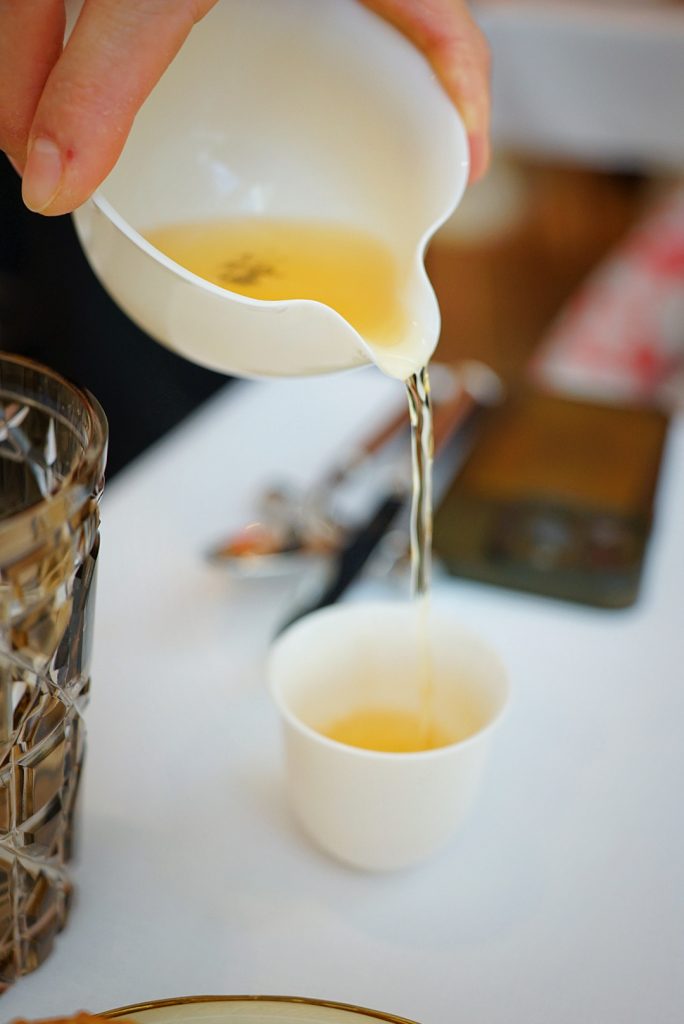
Tea pairings are no longer novel in fine dining, yet few French restaurants place Chinese tea at the heart of the dining experience. At Monsieur Dior, tea is not an afterthought but an integral part of its flavor narrative. Chef Pic has long been fascinated by tea, and its influence weaves through the menu, spanning savory courses to desserts. The mille-feuille, for example, infuses jasmine tea – a note further mirrored in its non-alcoholic accompaniment.
The manager and sommelier noted that Chef Pic explores nuanced flavor profiles, with the restaurant’s tea program inspired by Dior’s fragrance collections. Top, heart and base notes – the timeless lexicon of perfumery – are reimagined through tea. In this framework, tea is not just a meal accompaniment, but an extension of the dining’s flavor narrative.
Developed in collaboration with Chinese tea master Shuying Liu, the tea selection spans a carefully curated range of origins, including white tea from Fujian, green tea from Jiangsu, oolong from Chaozhou, and pu-erh from Yunnan.
Paired with La Broderie, Chinese Tieguanyin brings bright citrus and stone-fruit notes to temper the sauce’s richness and heighten the scallops’ natural sweetness.
It’s not just the tea – it’s how it’s brewed. Maybe because wine and tea share the same spirit, the manager and sommelier, an Italian who only recently began studying Chinese tea, has taken to it with surprising ease. He was joking: “I’ve had too much coffee, and it’s time for tea.” Whether it’s him or the rest of the team, every pour and gesture is graceful, turning the act of serving tea into a captivating ritual.
Chinese Terroir, French Spirit
Its appreciation of Chinese influences is equally meticulous.
Chef Maziers has spent years living and working in China, including time in Chengdu, which has given him an understanding of local ingredients and flavors.
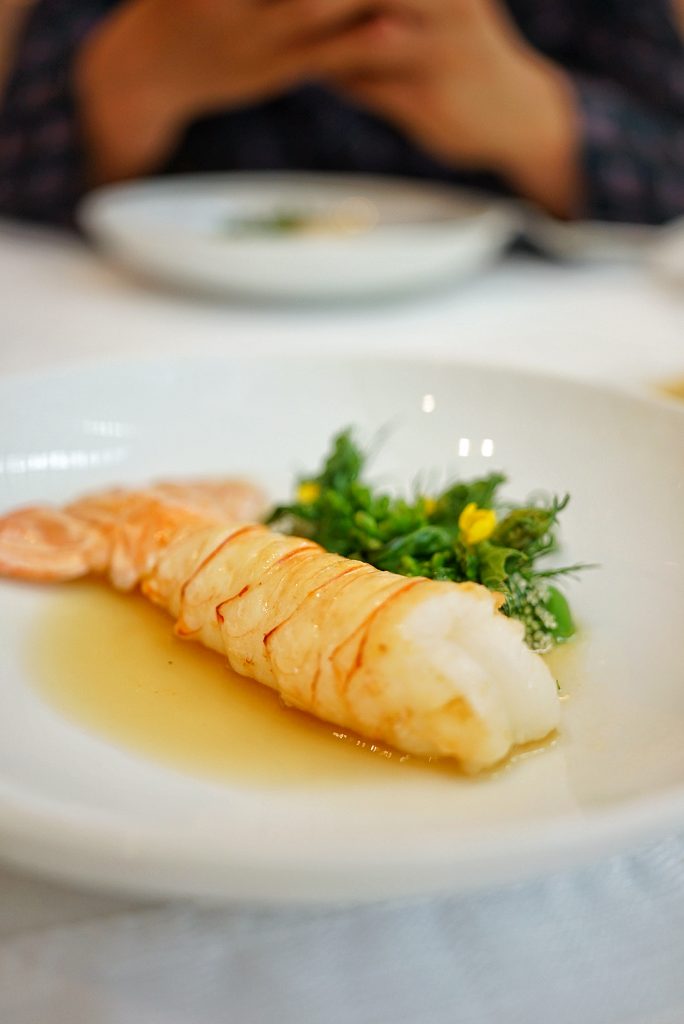
L’Onde Marine, a signature local creation, features langoustine served with Sichuan spring vegetables in a clear consommé infused with Sichuan pepper and kaffir lime. The seafood’s natural sweetness, the lime’s bright freshness, and the gentle heat of the pepper well intertwine. The broth retains the purity of French consommé, yet carries the unique character of the local terroir.
The wine program works alike. “We’re in China, so we feel it’s important to highlight Chinese wines,” explained the manager and sommelier. Paired with the beef course is Ao Yun from Yunnan, produced at an altitude of 3,000 meters near the Himalayas. Intense sunlight and dramatic temperature shifts give the wine structure and freshness, placing it in a comparison with Bordeaux while remaining rooted in its own landscape.
Beyond Dior, Restaurant Monsieur Dior is establishing itself as a restaurant with a distinct identity of its own.