On the evening before Christmas Eve, just as the workday was winding down, Takumi Robata Kappo on the third floor of Jing An Kerry Centre was nearly full. The festive season contributed to the buzz, but it was the ease with which regulars settled into their seats that hinted at Takumi’s loyal following.
“I come here often,” a man seated in the corner whispered to his companion.
Even in a high-traffic shopping mall like Kerry Centre, dinner hour is a tough battleground for many restaurants. Lunchtime benefits from office crowds nearby, but evenings are likely not the same. In a city like Shanghai, where the dining and service quality are often quite consistent, a restaurant’s success relies on providing dining experiences that exceed diners’ expectations through great concept, food, pricing and service.
Takumi is the result of years of dedication. Time, experience, and focus have shaped its character.
Charcoal cooking
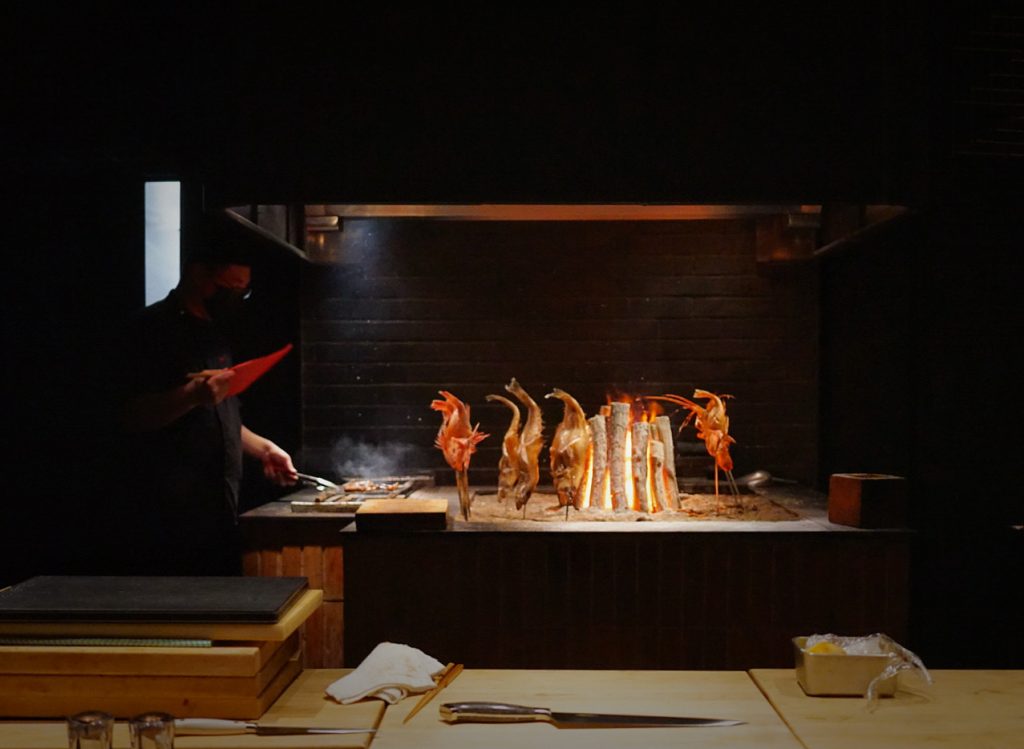
In recent years, cuisines driven by charcoal cooking have returned to the spotlight in the globe. Particularly in Western kitchens, the philosophy “From Fire to Table” has become a guiding principle for many younger chefs, emphasizing the connection between fire and flavor.
Fire, the oldest culinary tool, has never lost its appeal. For chefs, it’s a return to the basics. For diners, it offers a draw, enchanting the warmth and vitality of life.
From flickering flames to perfect doneness of a dish, mastering fire takes time, and so does everything else.
The journey of Takumi Robata Kappo began in 2024, but its history started in 2011 when its sibling restaurant Takumi Robata&Sakebar introduced the Japanese open-fire cooking style to China, its use of 900-degree binchotan charcoal. The intense heat and deep-reaching cooking approach produce crisp exteriors and succulent interiors – a signature that Takumi still honors today.
The founder of Takumi has worked in Japanese cuisine since the 1990s, and Executive Chef Wen Wang, who got trained under kaiseki master Hashimoto Shinichi and later at the three-Michelin-starred Myojaku in Tokyo, brings his skills to the table. His charcoal cooking is sophisticated, blending tradition with contemporary influences.
Together, their expertise shine through in Takumi’s expression of charcoal cuisine.
The kappo experience
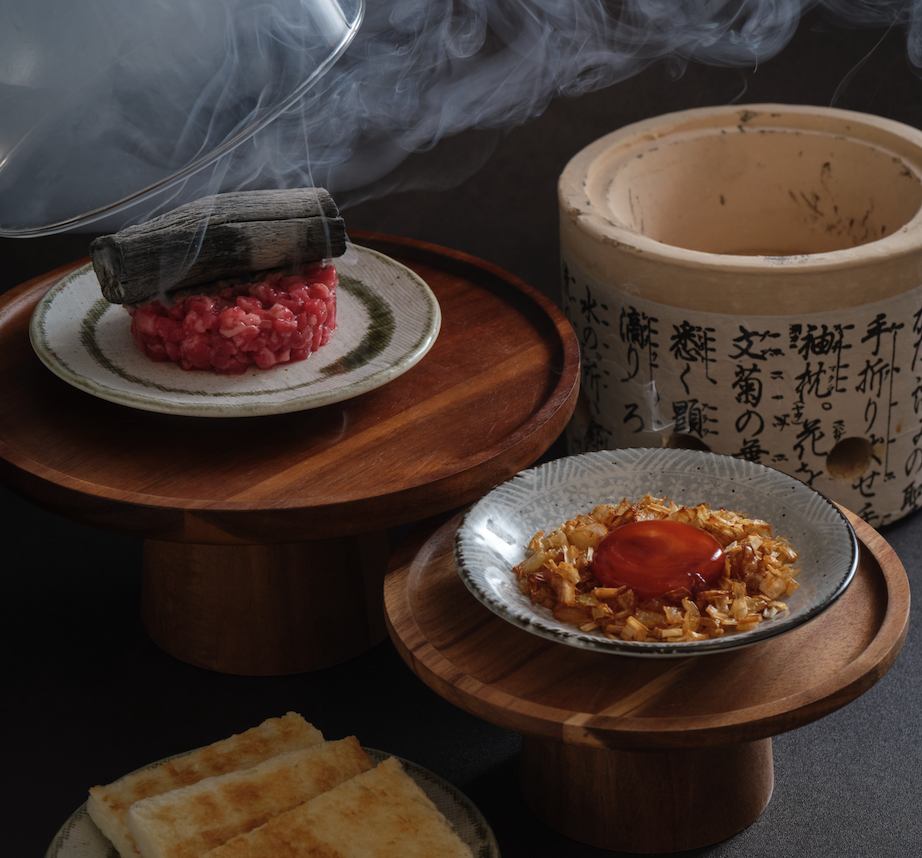
While charcoal fire is often associated with yakitori and casual, fast-paced dining, kappo is known for its refined approach. Takumi merges these worlds, taking the high-end traditional Japanese cuisine as a framework to channel the raw energy of cooking at Takumi. Precision and vitality exist side by side on every plate.
The fire transforms cooking into a sensory experience. Flames crackle, aromas rise, and heat flows, turning each meal into a dynamic, engaging experience.
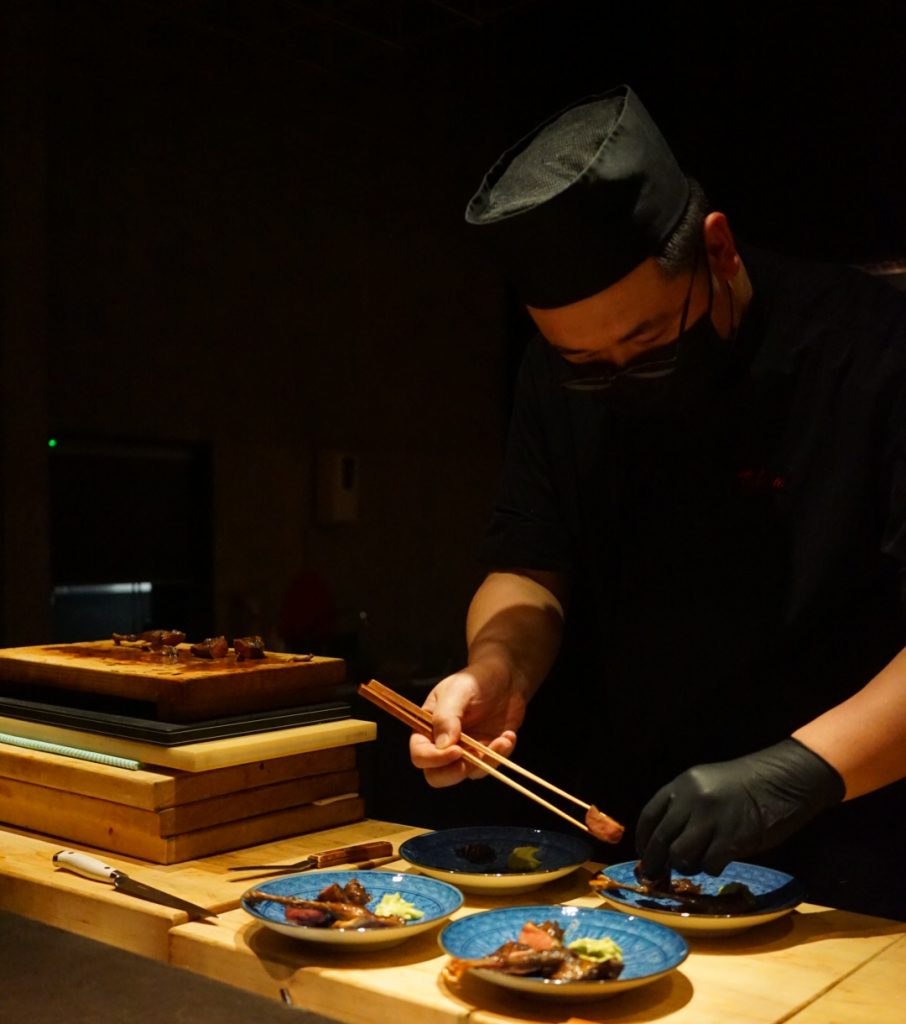
The seasonal tasting menu follows Takumi’s philosophy, showcasing the magic of fire. Each course presents a harmonious balance, vibrant sweetness, crisp acidity, and bold aromas but without overwhelming the senses. It is a departure from the flavors found in traditional kappo dining.
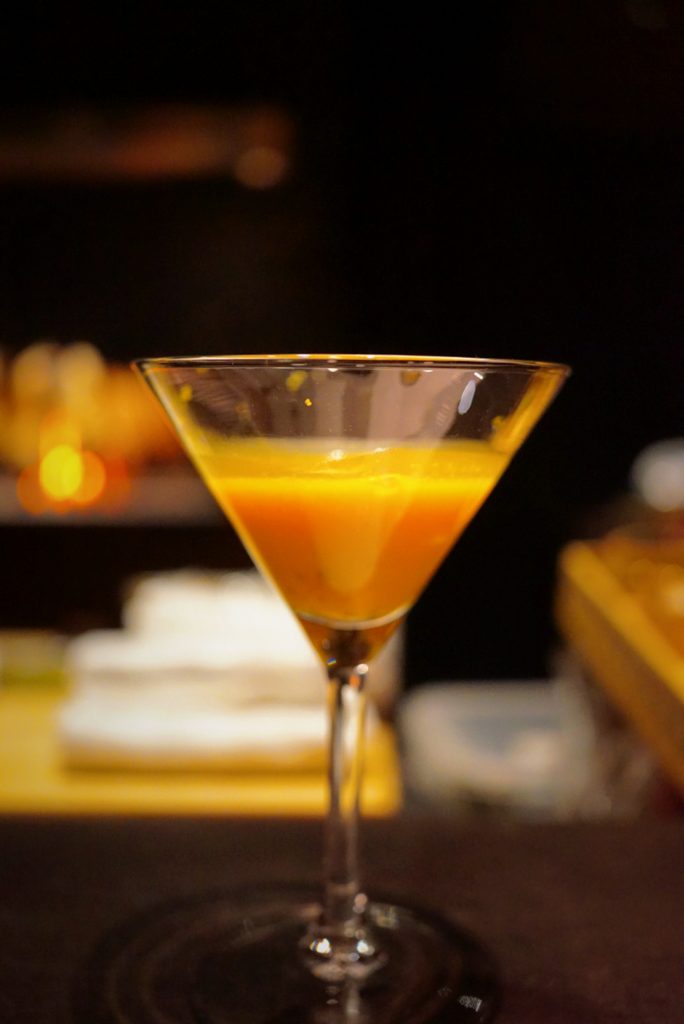
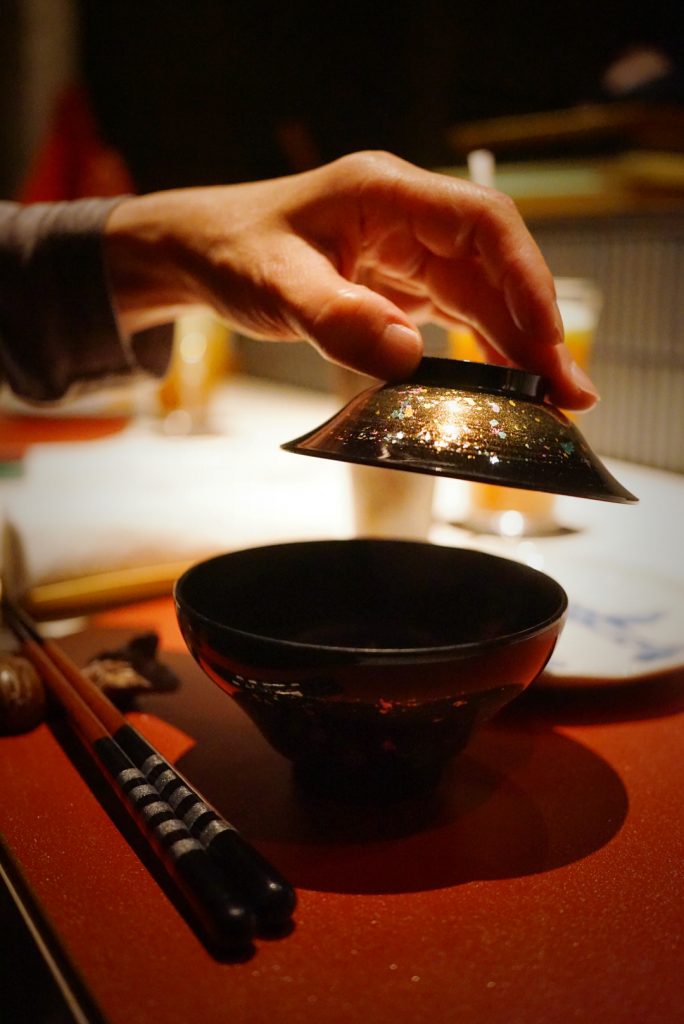
In the winter menu each course unfolds in sequence, from appetizers and sashimi to soup, grilled dishes, sushi, and dessert. A charred scallop and pumpkin soup starts the meal with gentle warmth, followed by charcoal-seared tuna and grilled isaki in clam broth, alternating a balance of textures and flavors.
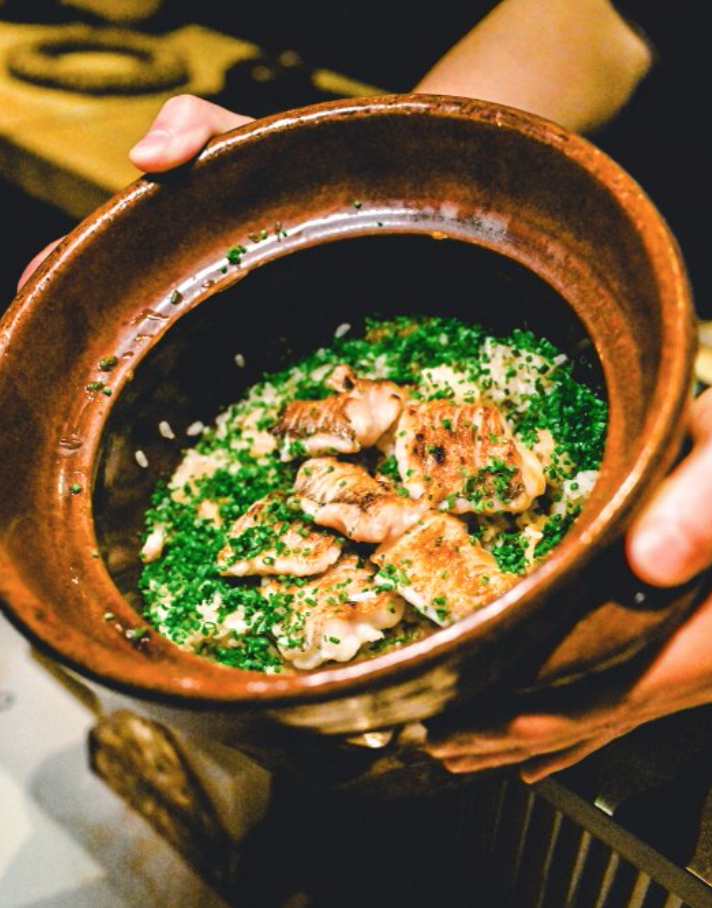
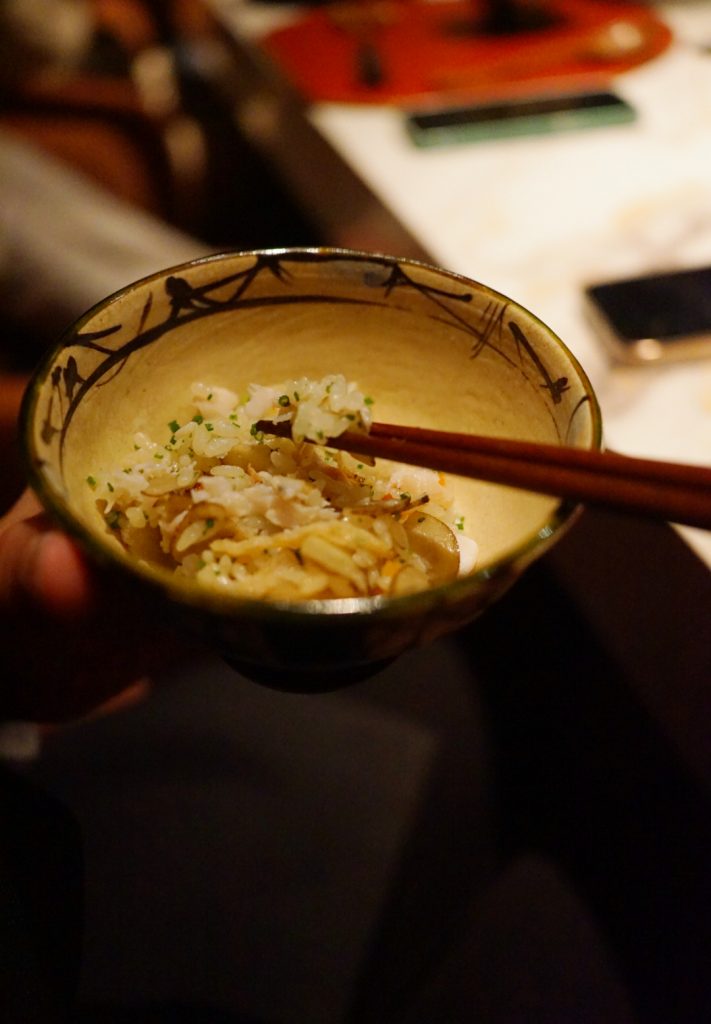
The standout dish is the overnight-dried squab from Chongming Island, grilled to a perfect crisp, with tender, juicy meat and a subtle smokiness. It is complemented by a contrast of flavors, with a fresh avocado dressing and a rich blue cheese and black garlic sauce, balancing lightness and depth in every bite. The charcoal-grilled tilefish kamameshi, where tender fish infuses with rice cooked in fish stock and earthy burdock, leaving a subtle but lasting finish.
Value-added pricing
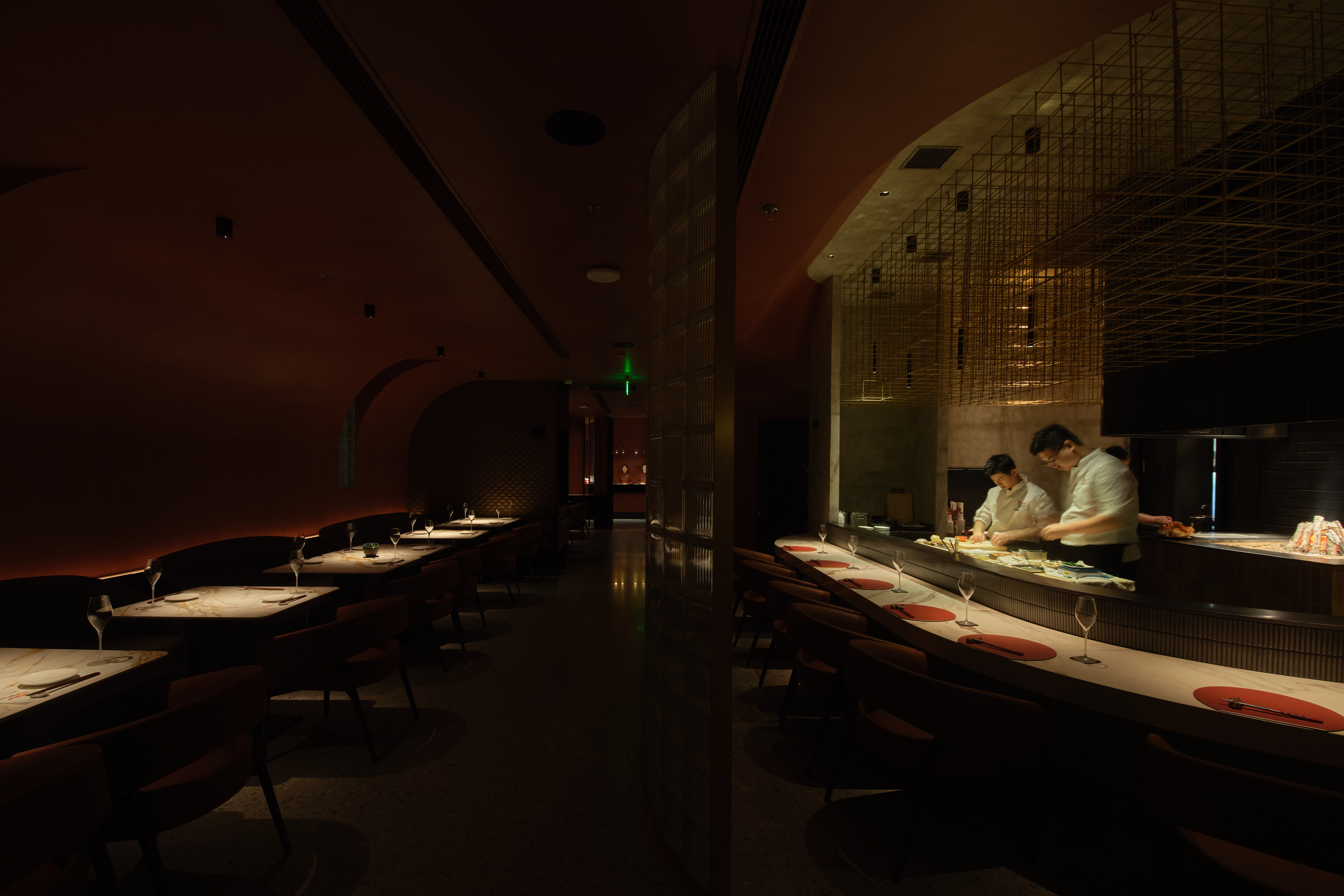
Takumi’s pricing is approachable, meanwhile it curates an experience above the norm.Dinner averages around 500 yuan ($72) per person, with flexible options available from à la carte to single tasting menus or group sharing platters. Lunch offers a two-person set daily at up to 300 yuan ($43) per person, making charcoal cooking a regular treat rather than just an occasional indulgence.
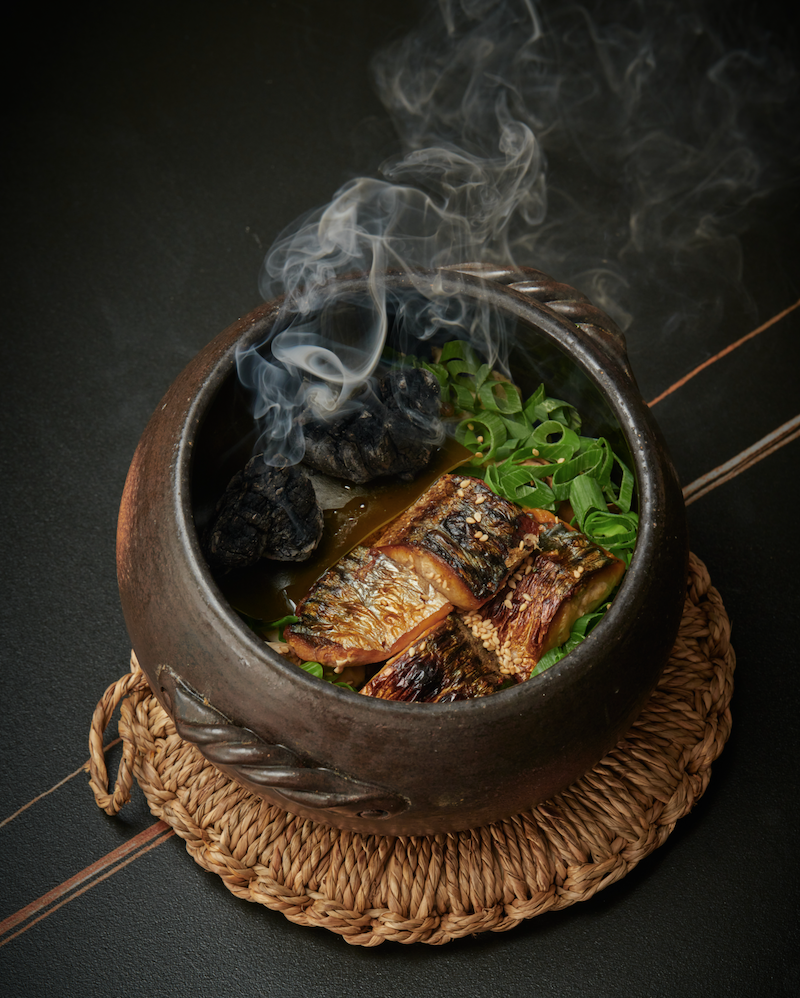
This thoughtful balance – among reasonable pricing, consistent execution, and the live-fire experience at the counter – has allowed Takumi to cultivate a steady following in an intensely competitive market.
Seated at the counter in winter, one can hear the soft crackle of flames as ingredients slowly brown over the charcoal. Light, aroma, and sound come together in a quiet yet vibrant moment. Few would turn down such a cozy winter escape, right?