Fujian cuisine has emerged as a dynamic force within Chinese gastronomy in recent years, transcending its regional origins to establish itself as a compelling presence on the national stage – and increasingly, beyond it.
Michelin’s arrival in Fujian has brought this momentum into sharper focus, spotlighting a new generation of restaurants and chefs and introducing its rich culinary heritage to global audience. Shanghai’s award-winning restaurant Meet the Bund, ranked No. 14 on Asia’s 50 Best Restaurants 2025, has energized the movement, and a wave of young chef talents propel Fujian cuisine forward with creativity.
The booming tourism industry has also played a key role in accelerating the growth of its food culture. Cities like Xiamen and Quanzhou actively promoted tourism, gaining unprecedented numbers of visitors. Official data show that Fujian was expected to welcome more than 700 million tourists in 2025, with total tourism spending approaching nearly 930 billion yuan (US$134 billion).
As a hub for Fujian cuisine, Xiamen presents a snapshot of its culinary scene. From refined reinterpretation to innovation and nostalgia, the three spots reveal the potential of Fujian’s flavors today.
Hokklo, a refined take on tradition

At the forefront of this movement is Hokklo, a Michelin-starred restaurant located in the Waldorf Astoria Xiamen. Representing a new vision of Fujian cuisine, Hokklo is led by Chef David Du, a rising talent in the new generation of Fujian chefs.
Known for his refined technique, meticulous ingredient selection, and deep understanding of Fujian’s varied landscapes from mountain terrain to coastal waters, Chef Du’s cooking blends authenticity with ingenuity.
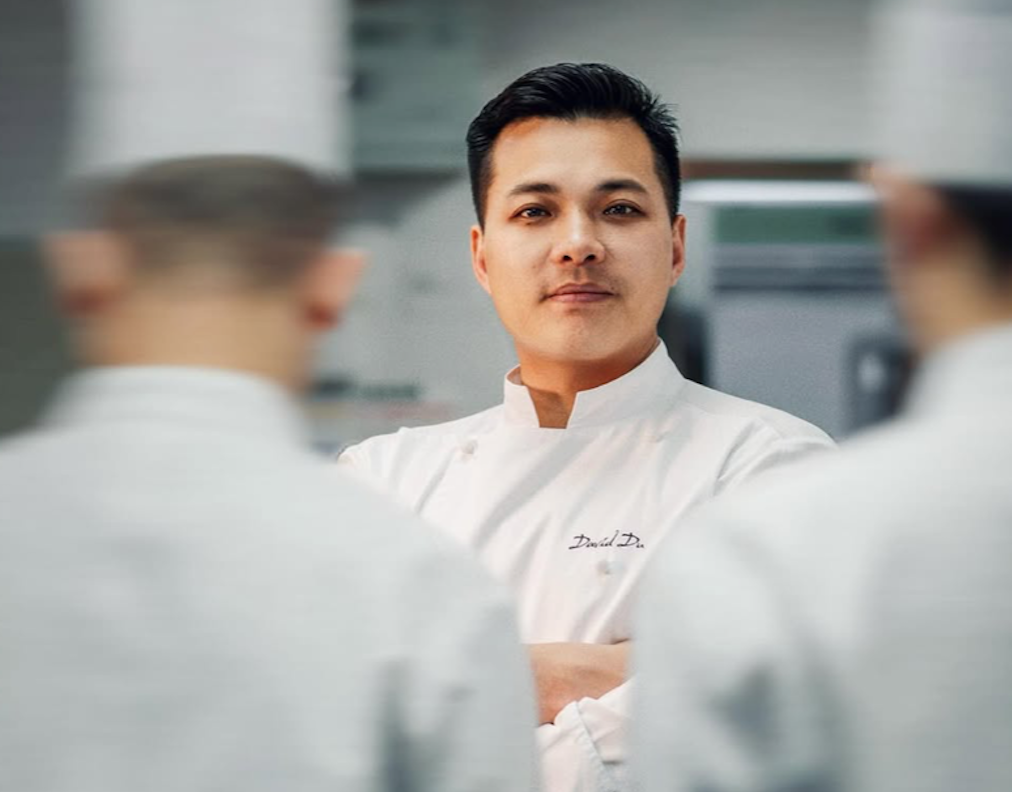
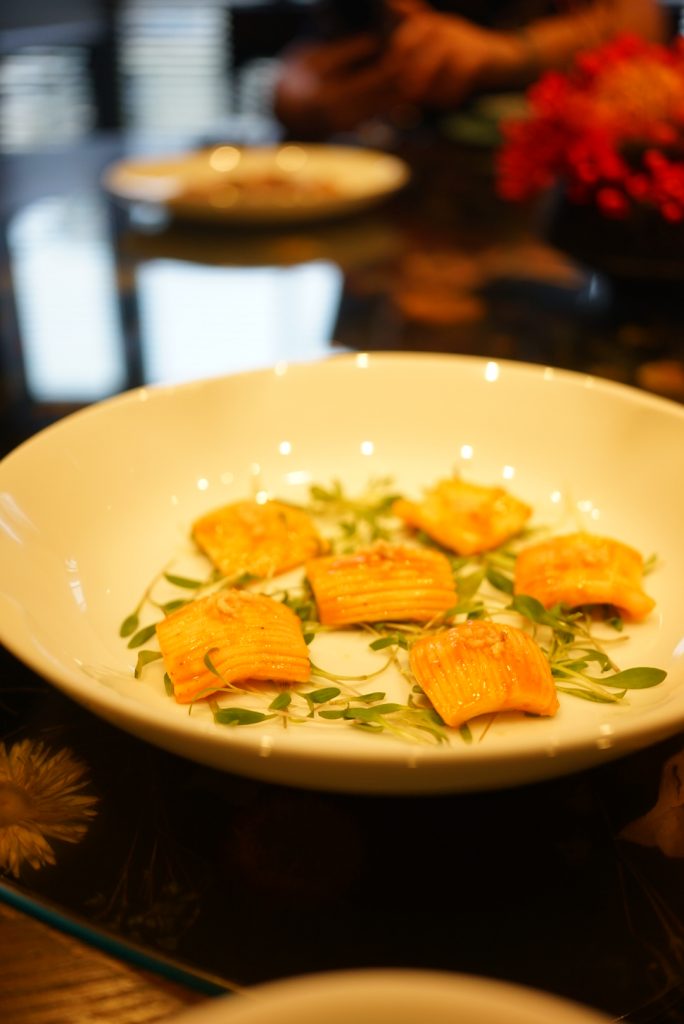
Du’s approach to ingredients is precise and respectful, with a strong focus on seasonality. From golden balang to qinghua, he selects seafood at its peak and reimagines classic dishes through creative pairings, such as small tiger fish enriched with chicken fat.
Traditional techniques including air-drying and roasting are used to deepen flavors and bring out the best in Fujian’s regional ingredients. While rooted in the province’s culinary heritage, his dishes are developed through a contemporary, global perspective.
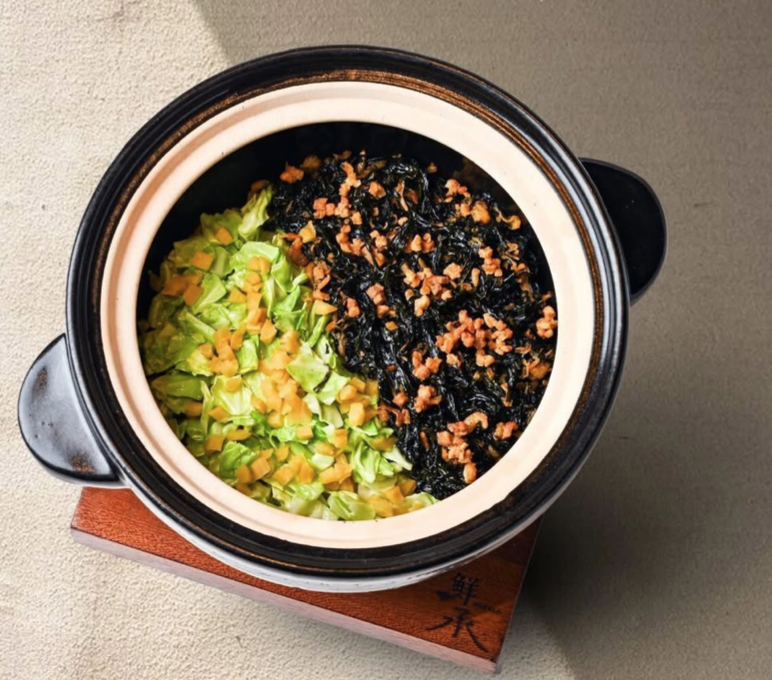
Innovation, for Du, is never detached from tradition. By integrating modern techniques with regional practices, such as pairing lotus seeds with chicken fat and small tiger fish to elevate steamed fish, he enriches familiar flavors while honoring their origins.
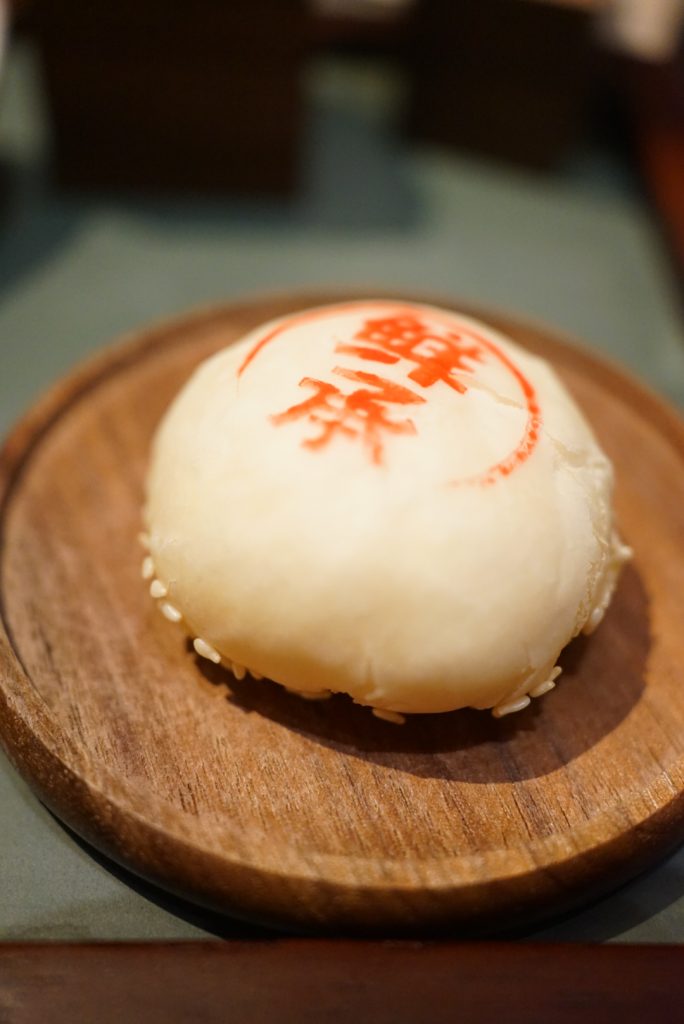
Reflecting on the rise of Fujian cuisine, Du acknowledges the profound influence of his predecessors and expresses a strong desire to work alongside fellow young chefs to carry the tradition forward.
Aventure, a bold vision of Fujian cuisine


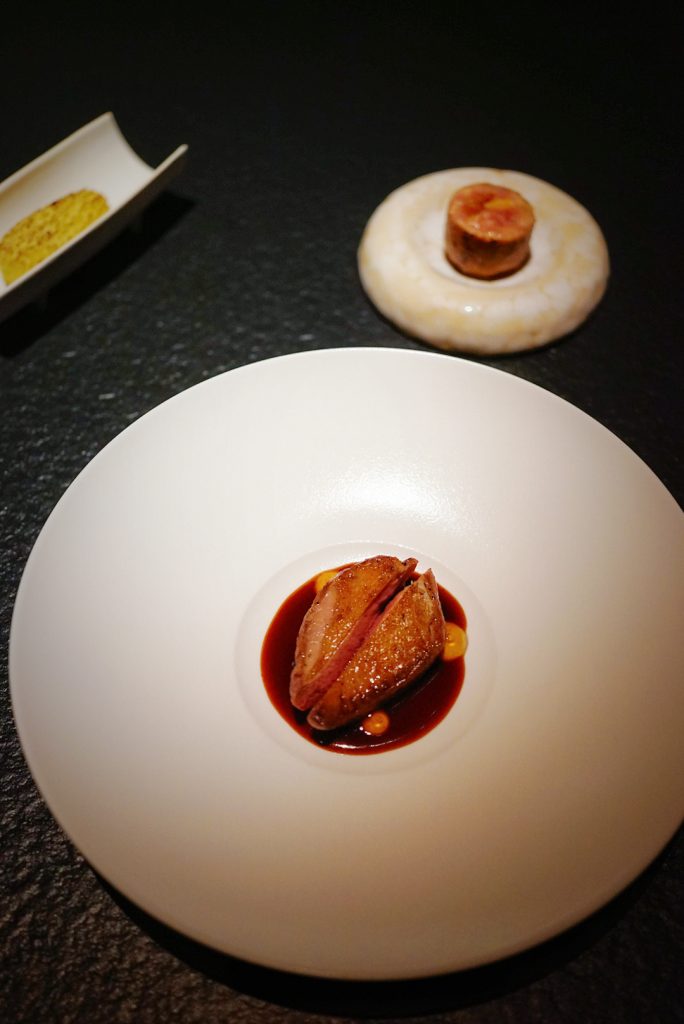
Chef-owner Esther Hou, just 30, is reinventing Fujian cuisine with a forward-looking spirit. With experience in Michelin-starred kitchens across France and Scandinavia, Hou brings an international perspective to her cooking, fusing the flavors of Fujian and Sichuan to create a fresh take on familiar classics.
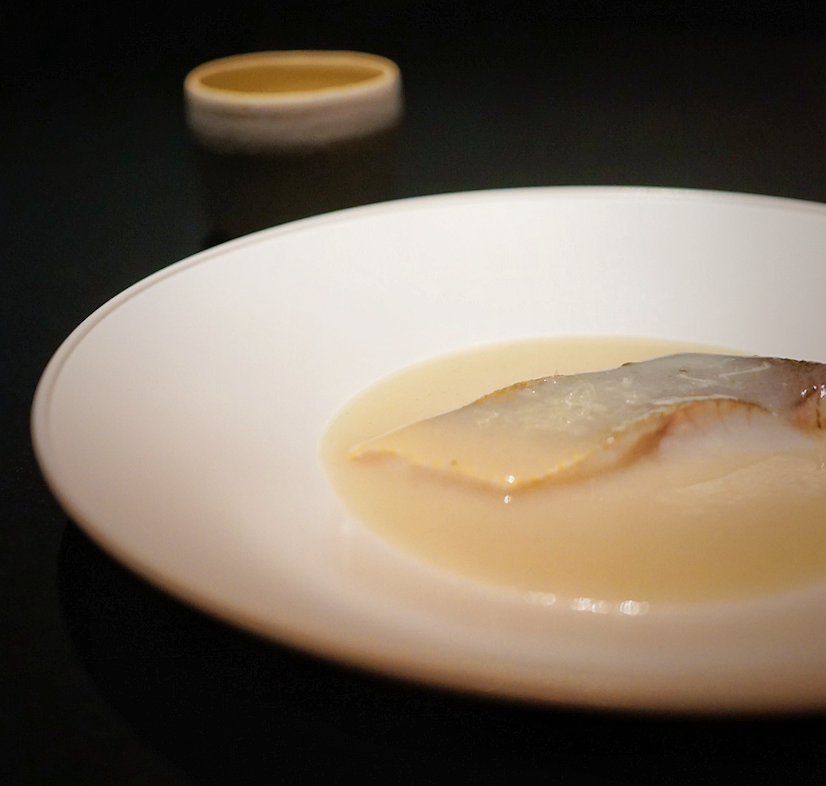
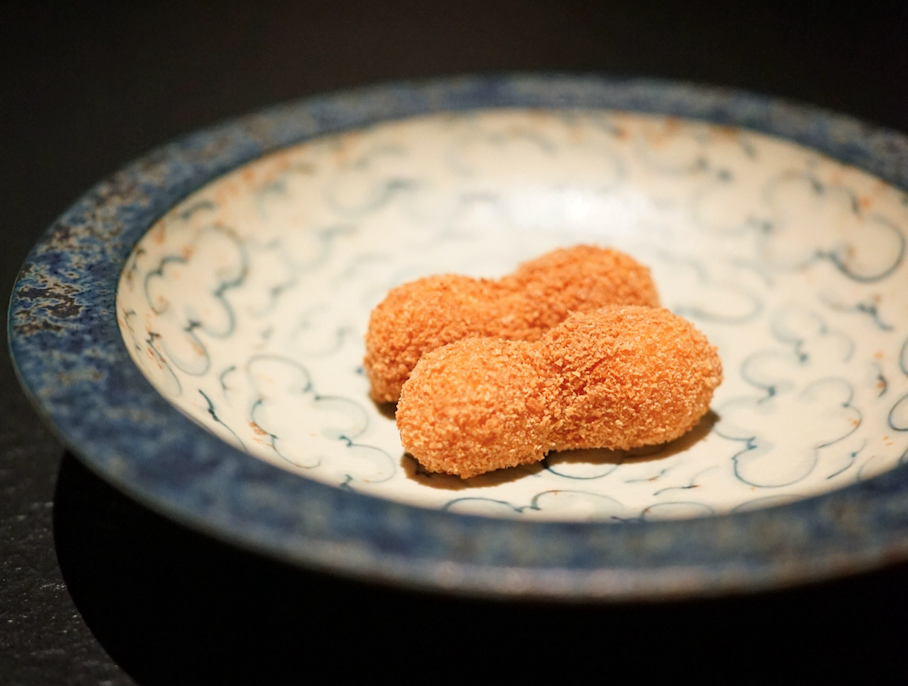
Despite her experimental edge, Hou’s creativity stays grounded in Fujian’s local heritage. One of her signature dishes, smoked balang fish served with pancakes, reinvents the tradition with modern finesse. Other standout creations include Mapo Tofu mousse that balances Sichuan heat with Fujian sweetness, as well as a dish featuring pig brain infused with liquor and peppercorns.
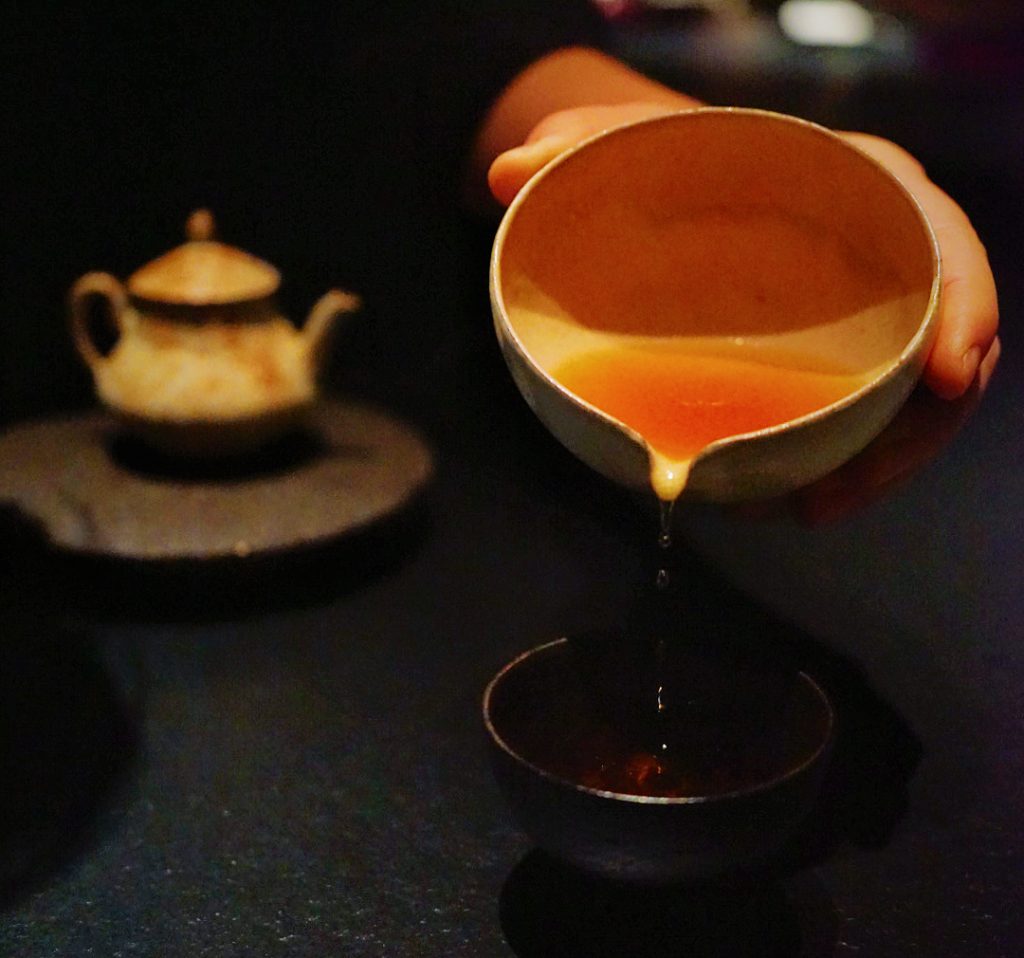
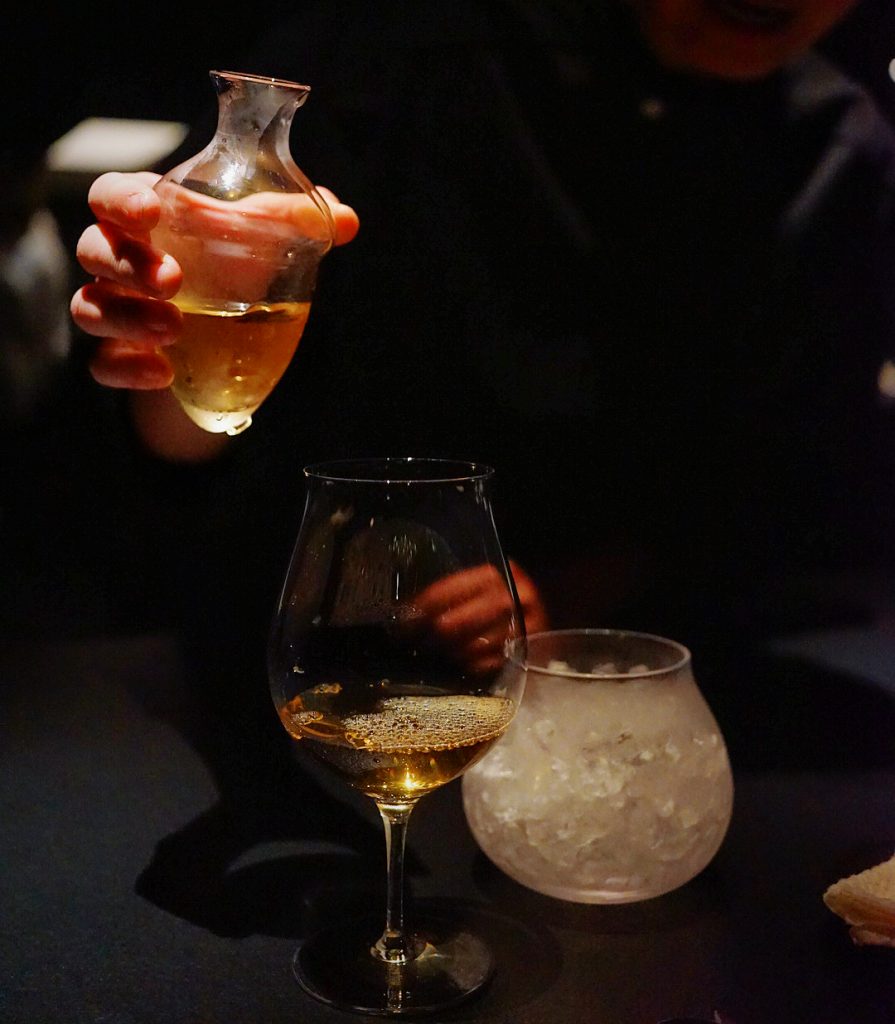
The dining experience is further elevated by the thoughtful tea pairings, curated by tea sommelier Rita Ye. Drawing from both local Fujian tea varieties – e.g., Baiya Qilan and Tie Guan Yin, and international selections like Nepalese golden black tea, Ye designs pairings that enhance the nuances of each dish.
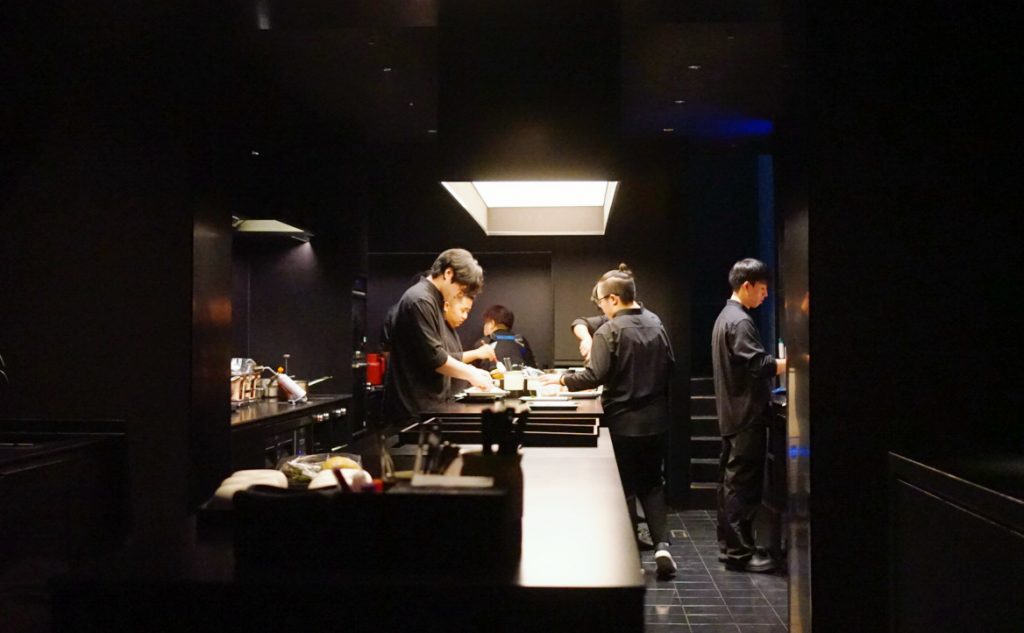
Sustainability is also central to Aventure. Born on Gulangyu Island, Rita brings her respect for nature into every aspect of the restaurant. From transforming used tea leaves and discarded cartons into paper menus to feeding stray cats with cooked shrimps and operating a nearly zero-waste kitchen, it shows that the team has a broad vision of responsible innovation.
Hou and Rita partner to make Aventure an innovative dining destination, where Fujian flavors are retained and redefined.
Lim·Suhi, a keeper of tradition
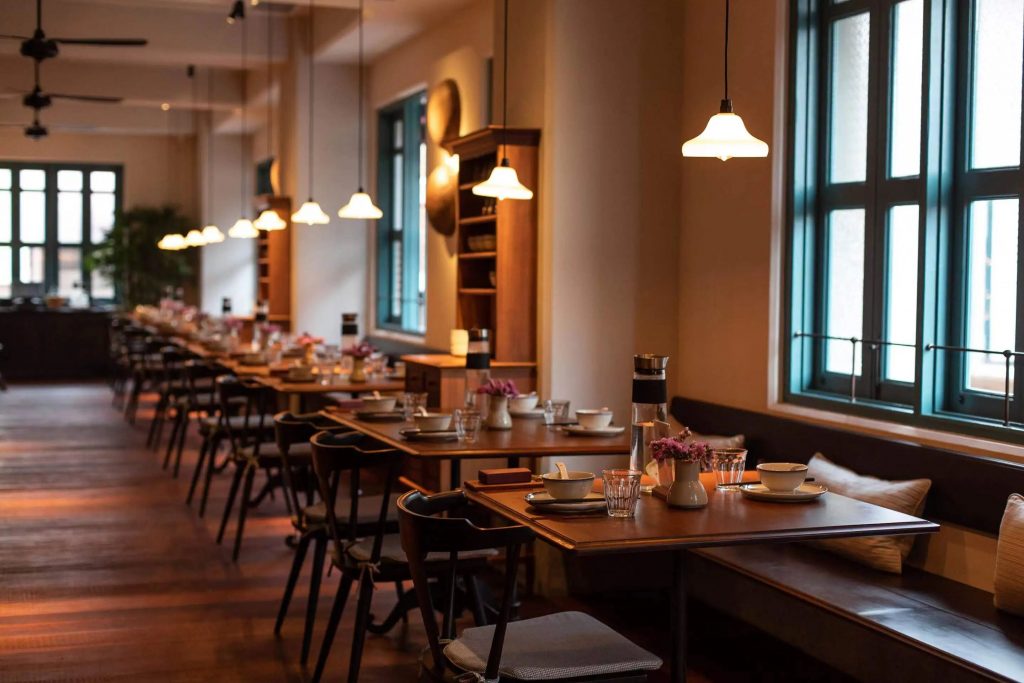
Tucked away on Gulangyu Island, Lim Suhi stands as a keeper of Fujian’s traditional flavors. It’s rooted in the culinary heritage of Fujian, drawing from timeless recipes to keep authentic flavors, while innovating to suit modern tastes and adding a youthful expression, challenging the notion which traditional food is outdated.
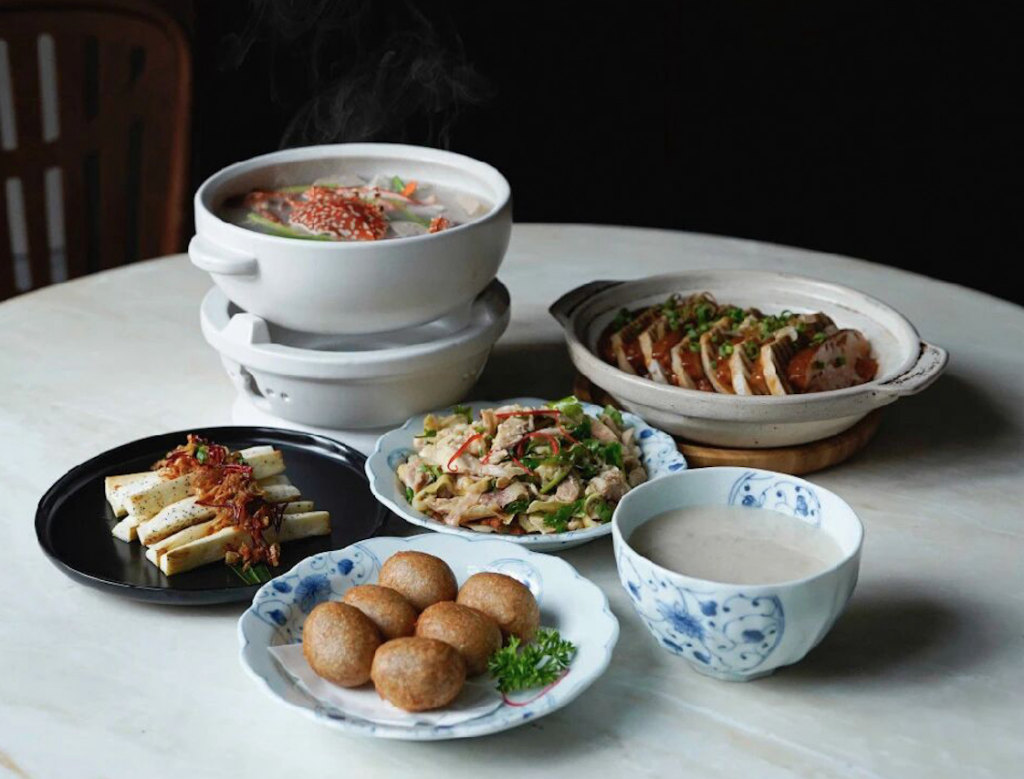
Signature dishes such as shacha hotpot, pancakes, and fried taro are beloved classics, cherished by both locals and visitors alike. Each dish has the soul of Fujian cuisine, unadorned and connected to its roots.
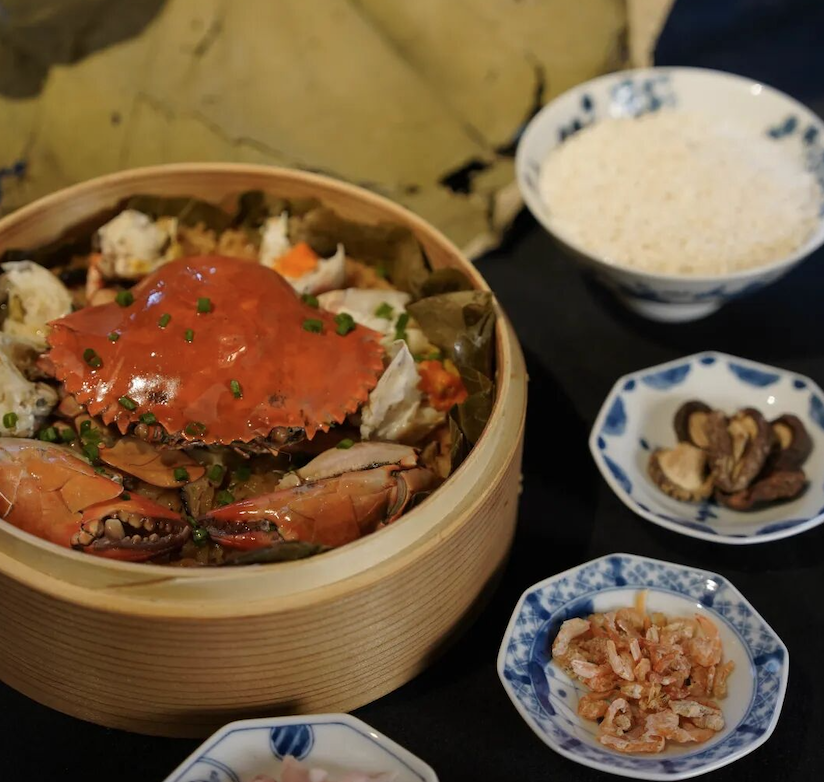
As the region’s flavors continue to evolve, Fujian cuisine is increasingly poised to captivate diners far beyond its home shores.