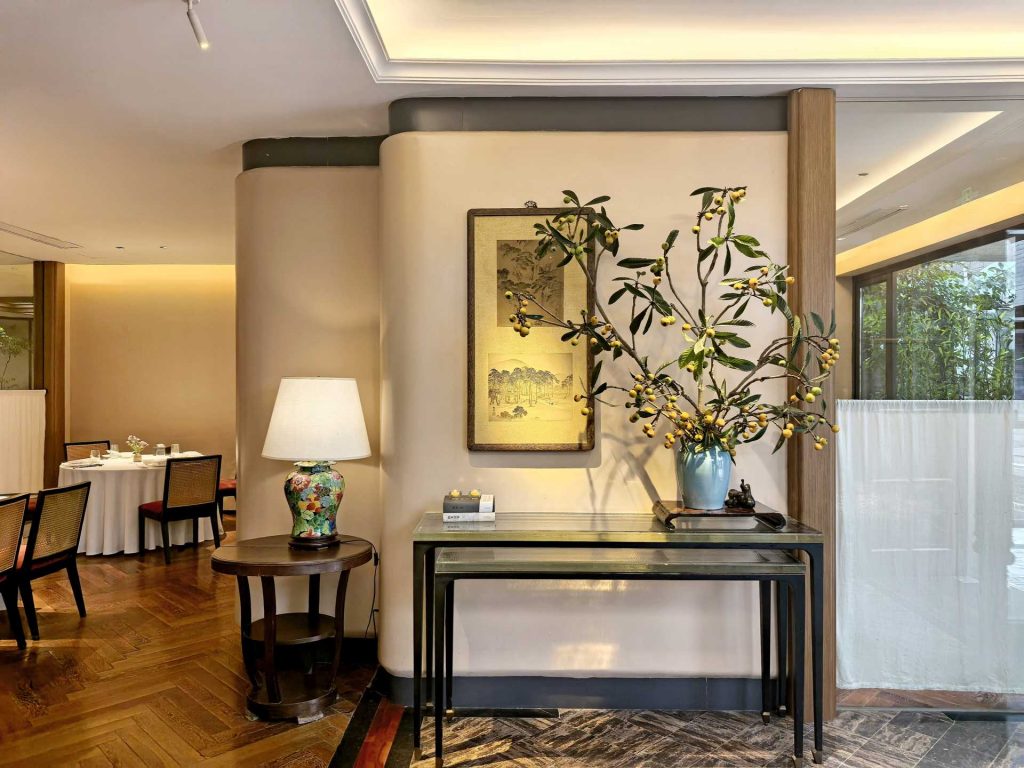
Stay true to fundamentals, cultivate patience, and allow craft reveal itself in the everyday. Few lines do capture Chengdu’s catering group Yongya Hexian.
With two long-standing addresses – the Michelin-starred Tongzilin flagship restaurant in Wuhou and a second outpost near Dongpo Sports Center in Qingyang – Yongya Hexian has spent more than two decades maintaining its reputation amid Chengdu’s changing dining landscape.
Beyond offering fine Sichuan cuisine, it has committed itself to deepening the tradition of Sichuan river fish and fermented pickling. One seeks freshness from water, and the other draws flavor from time itself. “Our cooking is about doing things properly,” said the Group Manager Wenxing Li. “There’s nothing flashy about it. We simply pay close attention to every detail, such as ingredients, technique and service. It’s a traditional way of working.”
A feast of Sichuan river fish hotpot
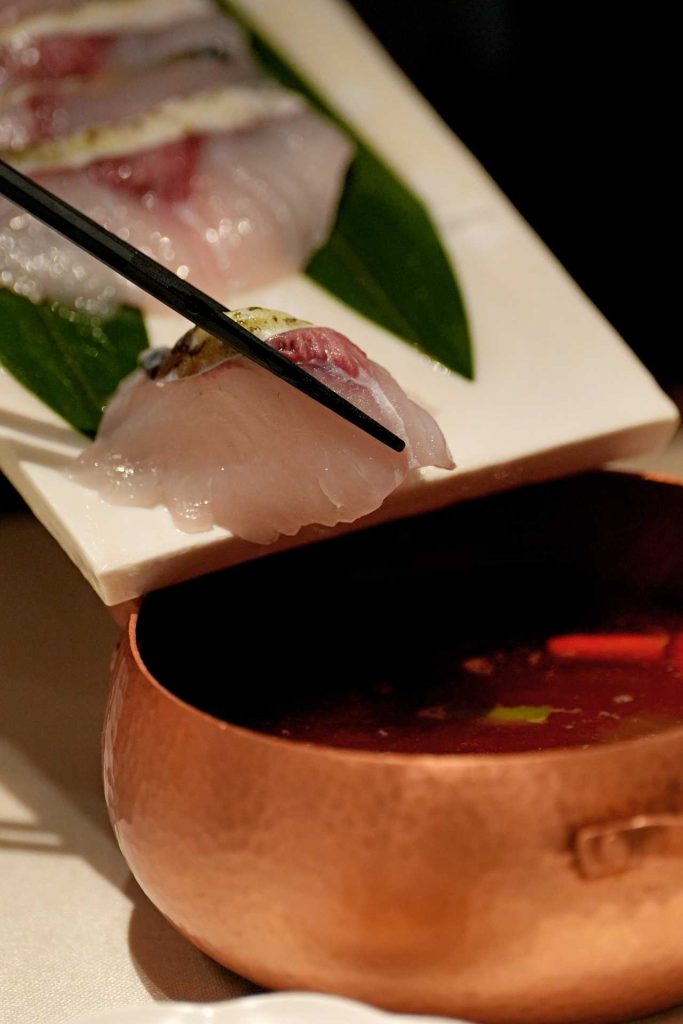
Sichuan sits along the upper reaches of the Yangtze River, where rivers have long shaped its cuisine around freshwater fish, prized for their delicacy as much as for the way they absorb the intensity of Sichuan cooking.
At the Tongzilin branch, a river fish hotpot highlights the experience. Over two decades, the Tongzilin flagship has merged two essential Sichuan rituals – fish and hotpot – into a singular expression. More than a dozen species are sourced from across the Sichuan river basin, each bringing their own character, from delicate and gelatinous to firm, sweet, or clean-tasting.
Rock carp, one of the most prized freshwater fish in the region, is notable for its near-melting flesh and collagen-rich texture. Topmouth culter is finer and cleaner on the palate.
Broths for fish hotpot are considered. One signature red broth is built from the self-made fermented pickles, rapeseed oil, pork bones and chicken stock, simmered into a deep brick-red base that is savory, gently sour and warming. Another broth combines pickled chilies and gingers with fresh peppers from Mumashan and chilies from Zigong carrying a vivid, fresh heat. Three minutes, five minutes, eight minutes, each interval produces a depth of flavor.
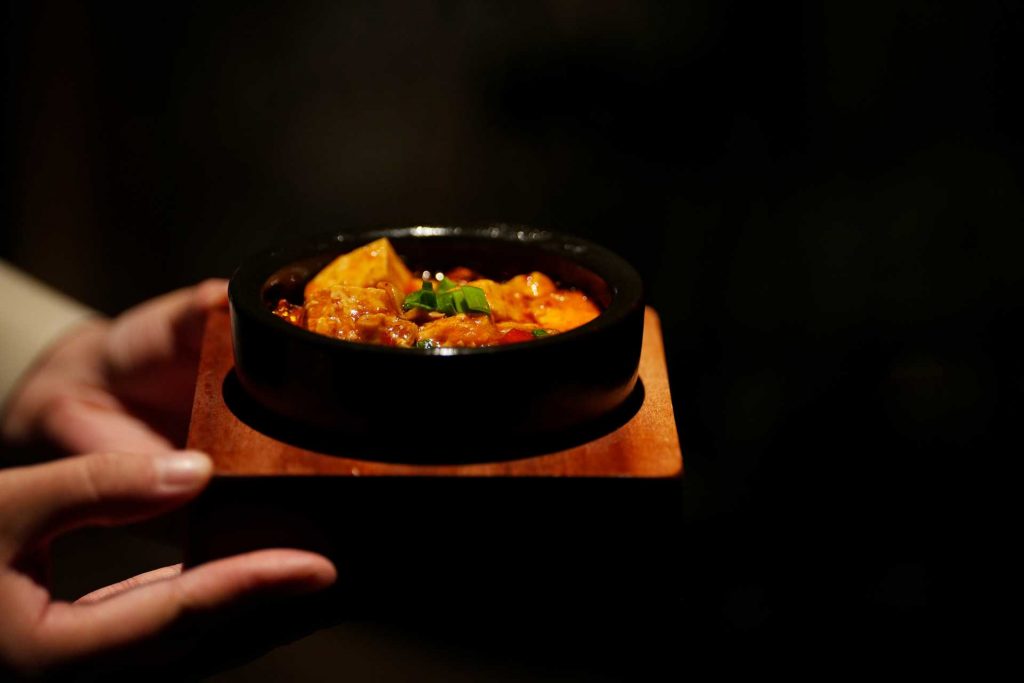
The same level of care extends beyond the hotpot menu. Its river-fish mapo tofu replaces the traditional minced beef with tender cuts of topmouth culter belly and rock carp maw. Stir-fried, then paired with house-made tofu and served blisteringly hot, the dish brings numbing spicy and fresh aroma . The soft, springy fish maw against the tofu delivers the kind of comforting flavor Sichuan cuisine is known for.
At the flagship fish is expressed through hotpot, while at the Dongpo branch it’s an exploration of Sichuan river cuisine by individual dishes. Cold dishes open lightly, including marble goby which is sliced translucent and lightly dressed to preserve its sweetness.
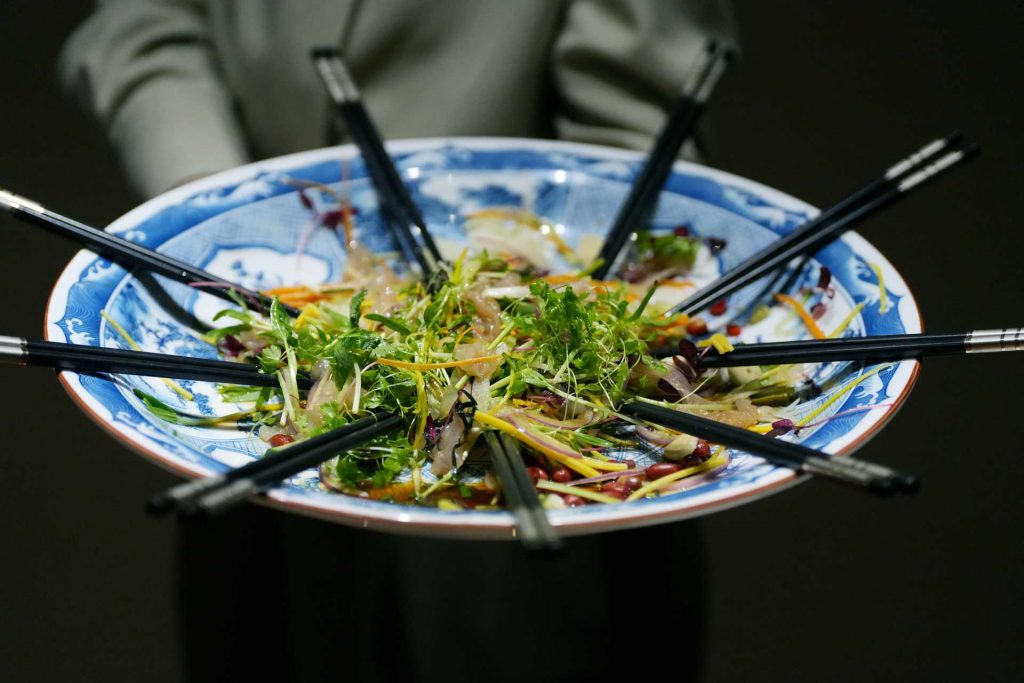
Marble goby returns in a warm preparation scented with lemon peel from Anyue. The citrus oils brighten the Sichuan peppercorn, wrapping around delicate flakes of fish in a dish that feels lifted, aromatic and complex.
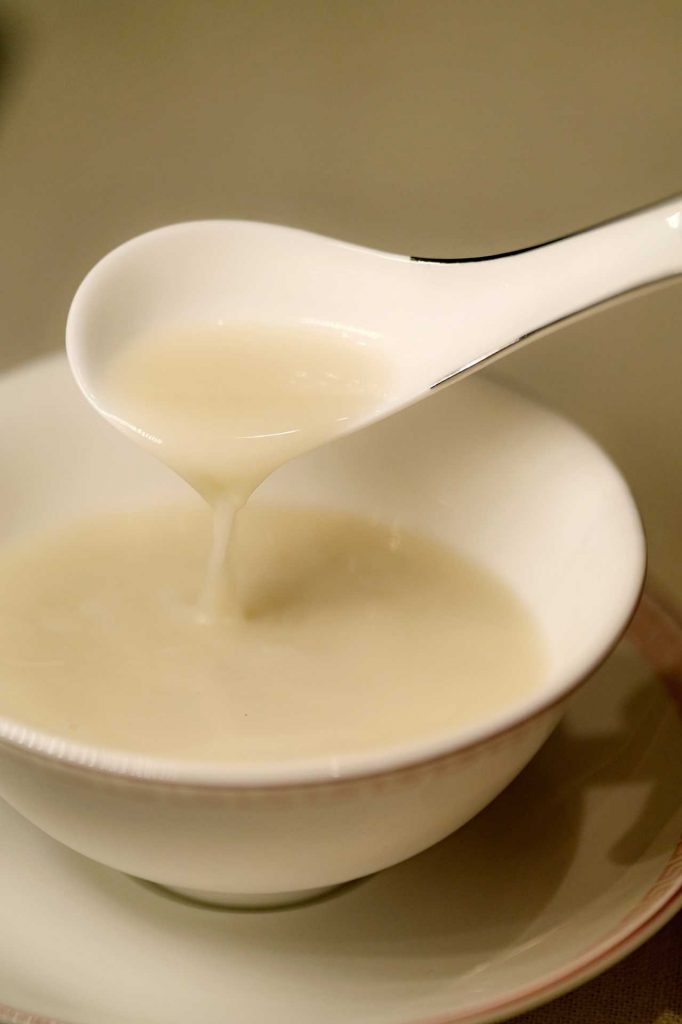
Fish tofu soup is perhaps the kitchen’s most understated dish. Flesh from topmouth culter fish is minced into a custard texture and served in a crystal-clear broth extracted from fish bones. It is delicate yet concentrated, best appreciated steaming hot.
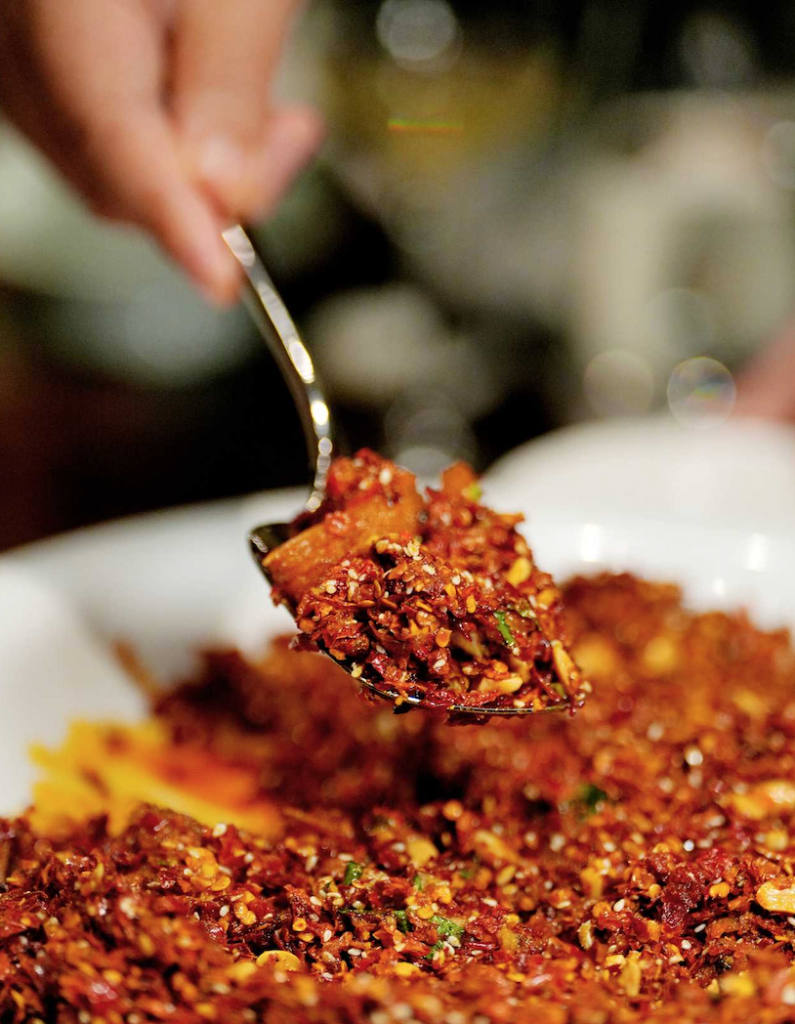
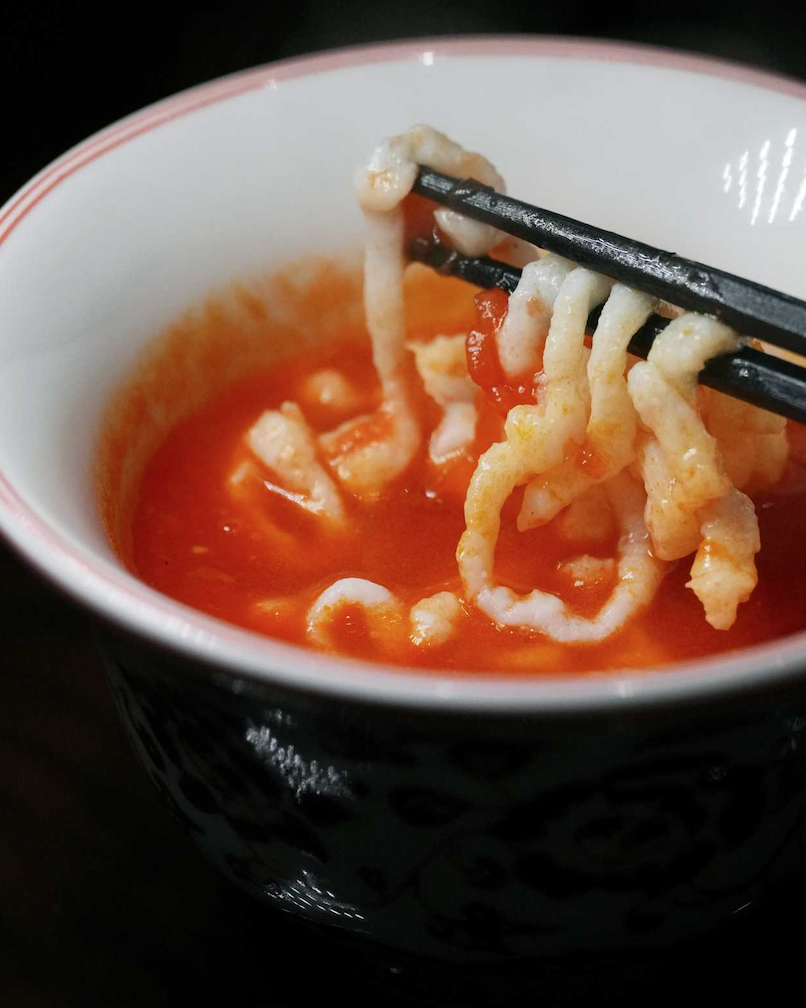
Topmouth culter receives perhaps the most elegant treatment of all. Its prized belly is dressed with toasted sesame and Sichuan red oil, the nutty fragrance amplifying the fish’s natural sweetness. The remaining flesh is transformed into tomato fish noodles: springy white noodles made entirely from fish, served in a tomato broth the restaurant has maintained for more than two decades. Made with sun-ripened tomatoes from Panzhihua, the broth is sweet and bright.
Time ferments in jars
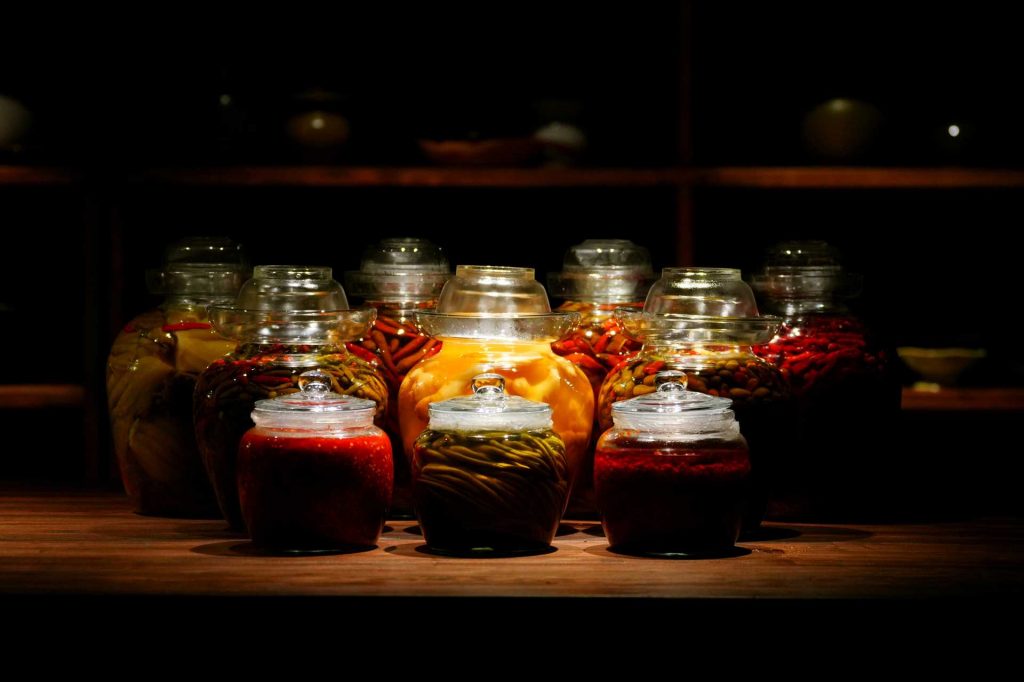
No Sichuan meal is complete without fermented pickles. At Yongya Hexian, pickling is foundational. Pickles bring brightness to cold dishes, depth to broths, and coherence to the menu as a whole.
Production is treated with ritual seriousness. Whenever a new batch of pickling begins, trucks loaded with vegetables arrive outside the restaurant, perfuming the streets with scent of fermentation. The pickles mature in a 200-square-metre underground cellar lined with over 300 clay jars. Within it, two fermentation systems operate in parallel.
The first is long fermentation. This living base, rich in naturally developed lactic acidity, is regarded as the essence of Sichuan pickling. With time, it deepens instead of fades – gaining roundness, complexity and length.
The second style is rapid fermentation, known locally as “bath pickles” or “diving pickles”, ready in as little as one to two days. These are bright, crisp and aromatic, preserving the vegetables’ natural snap while adding only a light and clean tang.
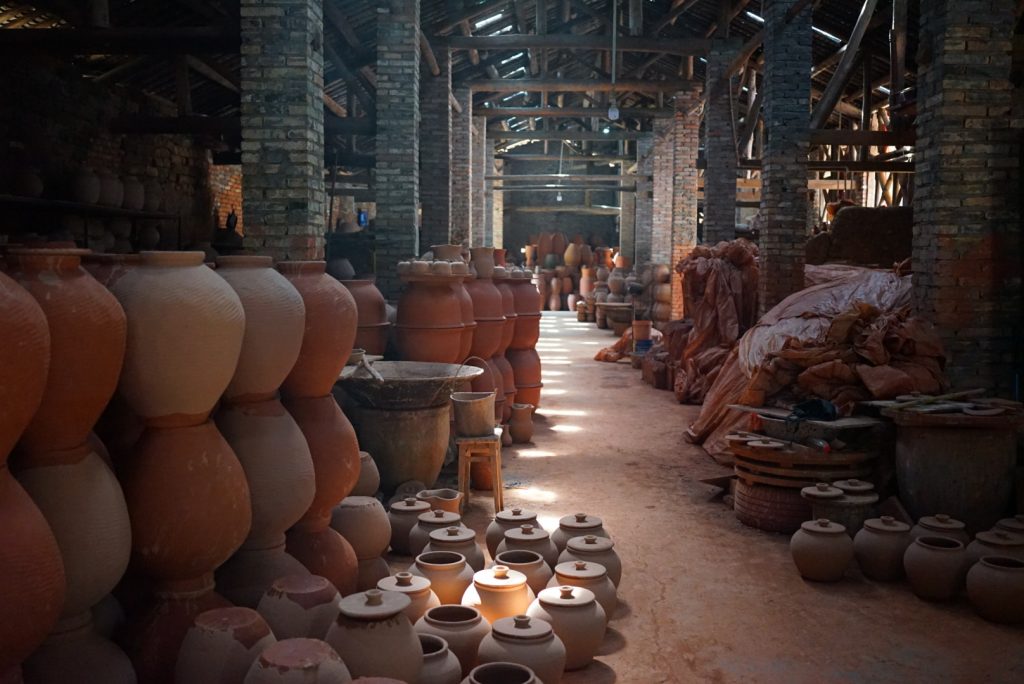
Even the jars themselves are part of the system. The restaurant maintains a production base at the historic Tongzhi Dragon Kiln on the outskirts of Chengdu, where local red clay has been used for ceramics since 1868. The kiln is still active today. Craftsmen hand-form, glaze, dry and fire the oversized jars over ten days, producing vessels that are both porous and resilient – essential qualities that activate fermentation.
Fermented pickling is guided by seasonality and timing. “Brown sugar, salt and high-proof baijiu form the base,” explained Executive Chef Fan. “Then pickles require additions, such as ginger, small hot chili pepper and so on.” As he lifted the lid from a jar of pickled ginger, Chef Fan noted that the batch was started during the Cold Dew solar term in 2024, when the ginger is considered to be at its peak.
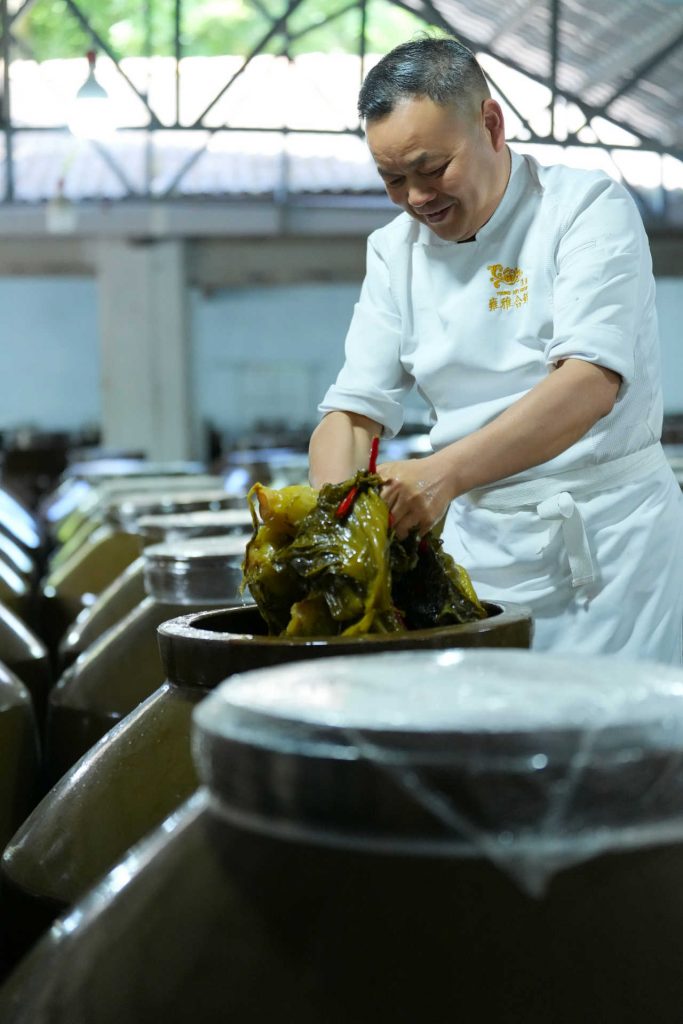
Maturation is precisely timed. Chef Fan opened a jar of pickled mustard greens aged for around three months and lifted out its woven bamboo weight. “If it isn’t pressed down, the vegetables will spill out,” explained him. “They must stay fully submerged in the brine to develop properly. We check them roughly every twenty days.”
Nearby sits a jar of large-leaf mustard greens from Deyang, prepared before the Beginning of Spring in 2024. This aged batch now forms the base of the restaurant’s pickled mustard greens fish dishes, served not only in Chengdu but also in its Beijing and Shenzhen locations.