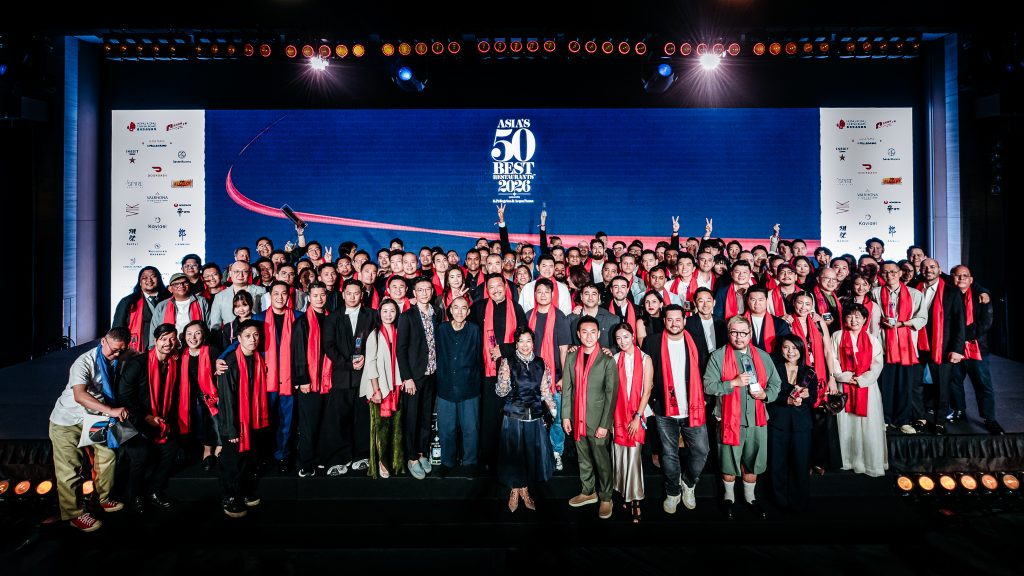
The 2026 Asia’s 50 Best Restaurants awards, sponsored by S.Pellegrino and Acqua Panna, wrapped in Hong Kong on March 25. Now in its 14th year, the list spans 17 cities, featuring a region increasingly confidence in defining its own culinary voice.
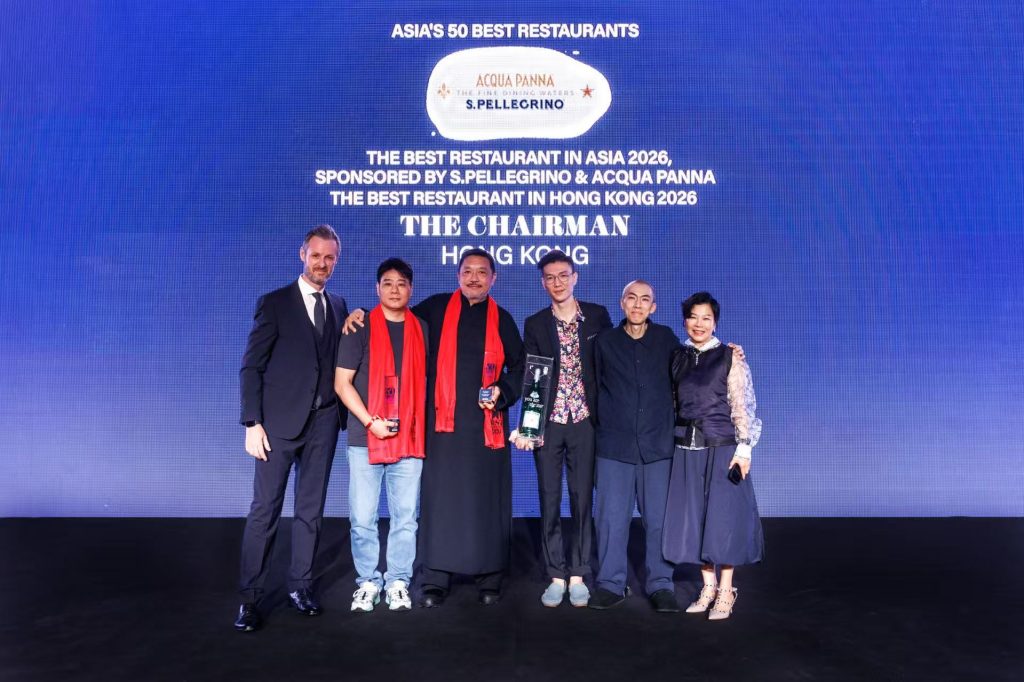
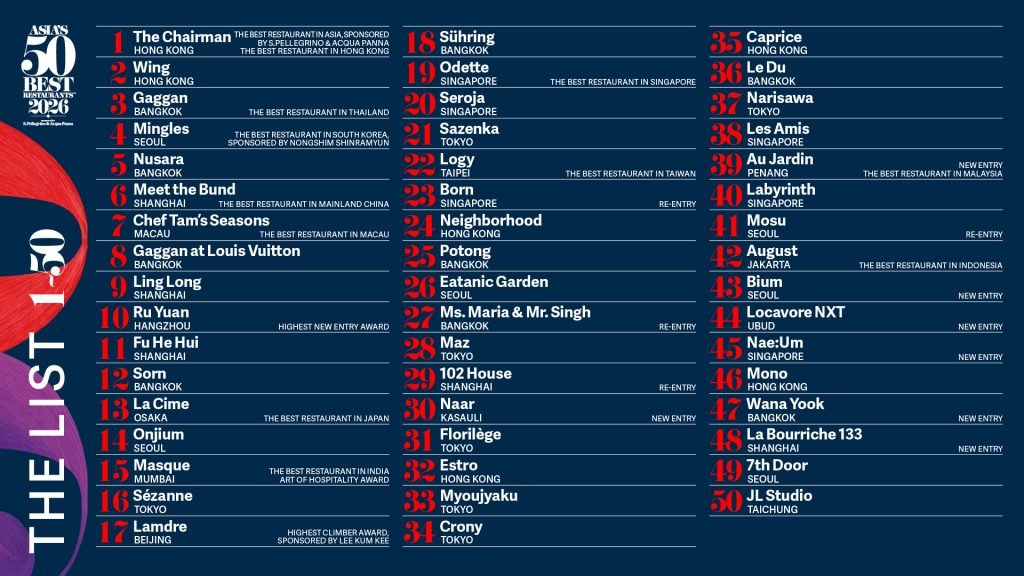
Hong Kong dominates the podium, with The Chairman claiming the top spot and Wing at No.2. Bangkok’s Gaggan and Seoul’s Mingles complete the top five.
“It means everything to us. You need something every now and then to remind you that all the hard work is worthwhile, and that it’s worth staying in this industry.” said Danny Yip, chef-patron of The Chairman.
He illustrated that what makes The Chairman special is that people feel like they’re at home.
Among the headline movers, Hangzhou’s Ru Yuan debuted at No.10, earning the Highest New Entry award. In Beijing, Lamdre surged 33 places to take the Highest Climber title. In total, eight seven restaurants joined the list this year.
Bangkok leads with nine restaurants, and Tokyo and Mainland China follow with seven entries respectively. Hong Kong, Singapore and Seoul are each represented by six restaurants on the ranking, seeing a minor drop.
Chef Tam’s Seasons from Macau, along with Taiwan’s JL Studio and Logy secure spots on the list.
- Special Awards
- Asia’s Best Female Chef: Cho Eun-hee
- Asia’s Best Pastry Chef : Ardika Dwitama
- Chefs’ Choice: Thitid ‘Ton’ Tassanakajohn
- Asia’s Best Sommelier: Lesley Liu
- Art of Hospitality: Masque
- Sustainable Restaurant: Baan Tepa
- One to Watch: San
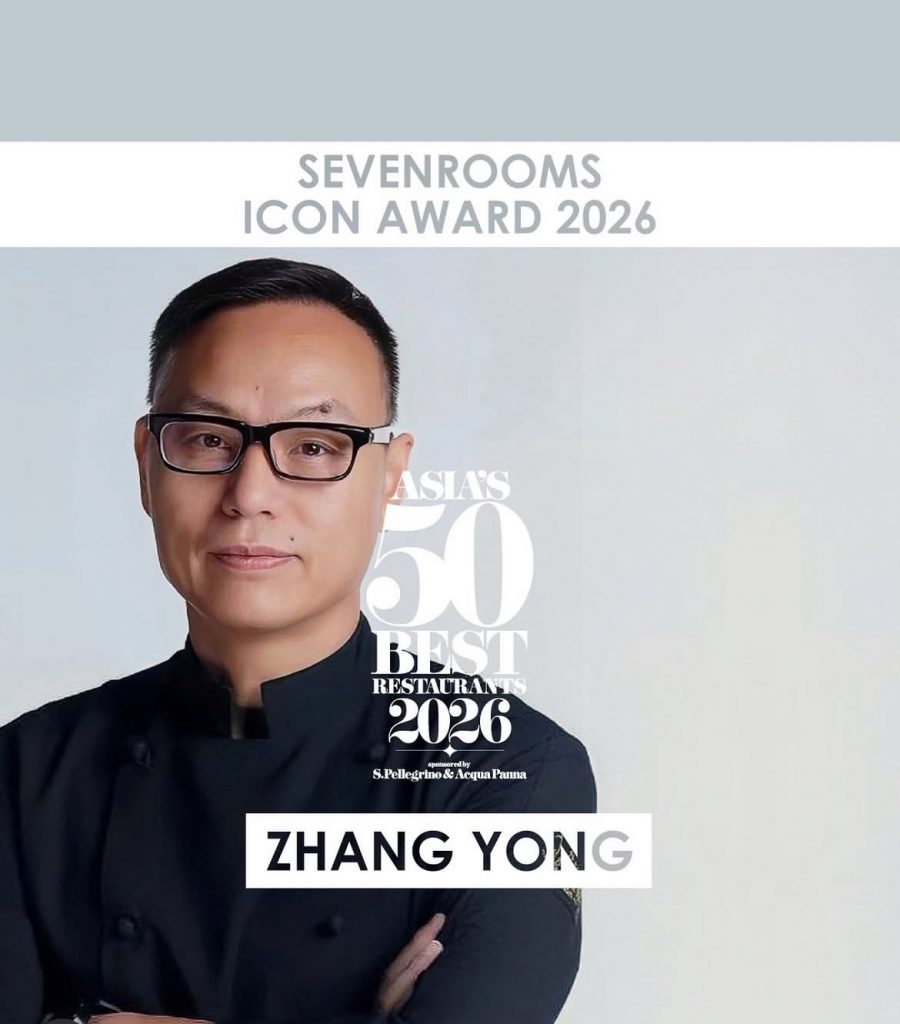
- Icon Award: Zhang Yong
- Champion Change of: Peggy Chan
Fine Chinese dining sets pace
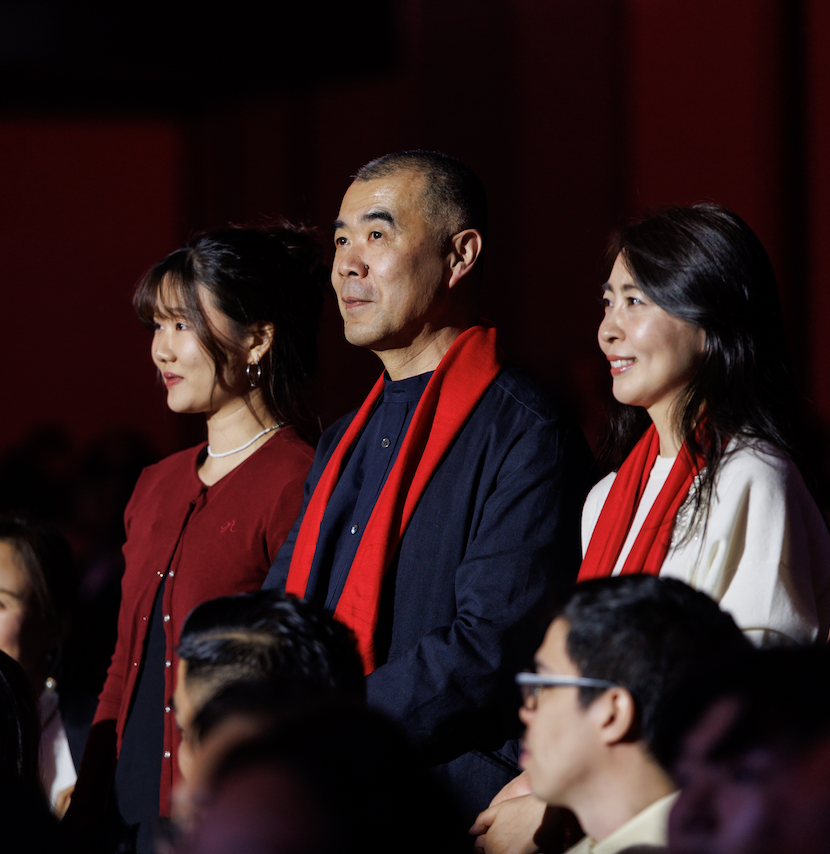
Mainland China reaches a record number of entries, adding three more than last year. Restaurants – including Fu He Hui, Meet the Bund, 102 House, LING LONG, Ru Yuan, Lamdre and La Bourriche 133 – feature prominently.
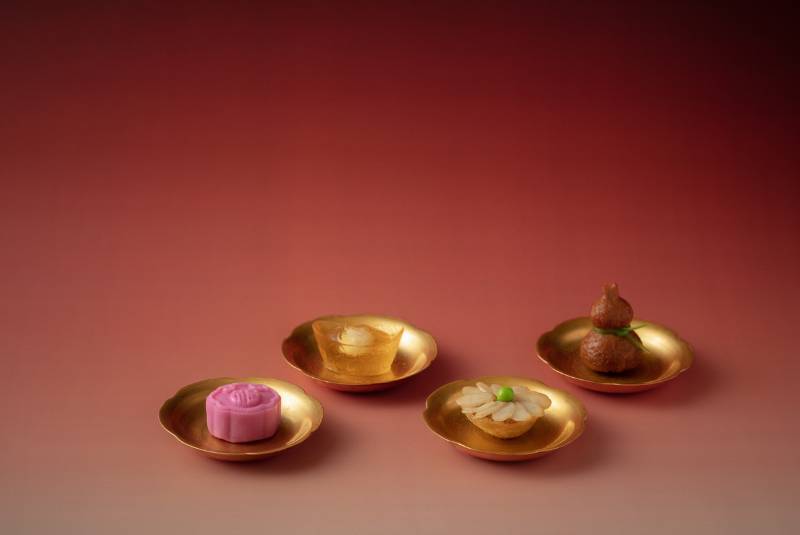
Including the extended list, China now boasts 13 restaurants across rankings, spanning Cantonese, Fujian, Sichuan, vegetarian, and contemporary Chinese. Notable additions include Shenzhen’s Fu Ming and Ensue, Chengdu’s Co-, , Beijing’s Xin Rong Ji (South Xinyuan Road) , and Hangzhou’s Jin Sha .
A new generation of chefs is bridging the gap between tradition and modernity. They uphold the fundamentals of flavor, technique, and cultural identity, while adapting presentation, methods, and dining experiences for a global audience.
Just as significantly, they are moving beyond the model of luxury and rare ingredients. The focus shifts to provenance, craftsmanship, and pure flavor – values that align closely with sustainability and health.
The changing face of fine dining
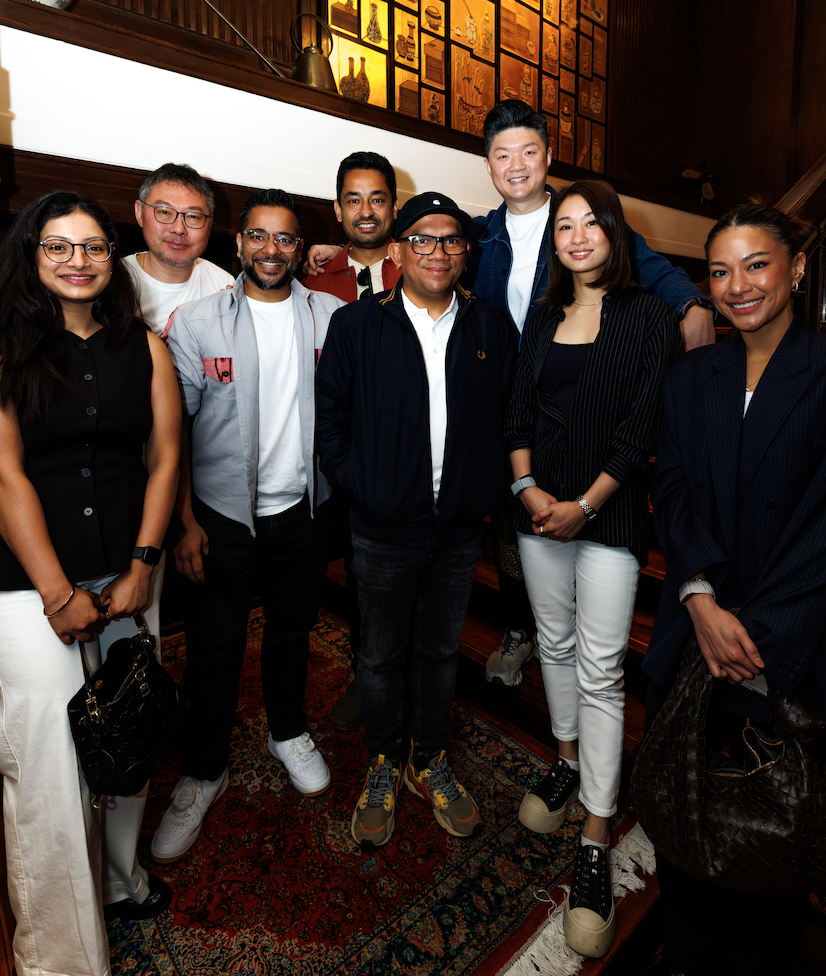
A day before the awards, the Meet the Chefs forum convened under the theme The Craft of Time, bringing together leading chefs from across Asia. The discussion centered on traditional techniques – fermentation, curing, aging – and their role in building depth of flavor. It is clear that innovation is a dialogue with tradition.
Across Asia, chefs are reinterpreting heritage through a modern lens. The definition of luxury in fine dining is also shifting – from rare, expensive ingredients to time, craftsmanship, and purity of flavor. Simplicity, restraint, and emotional resonance are emerging as the new markers of excellence.
The chef-owner of Bangkok’s Baan Tepa noted that while fermentation is widely discussed today, it‘s far from being fully explored.
“You have to first build a deep understanding of tradition before you make changes. Otherwise, you’ll just keep innovating blindly, and your food will have no foundation,” pointed out Chef Jimmy Lim of Taiwan’s JL Studio.
“When I modernize dishes at my restaurant, the hardest part is knowing where to stop. You can’t just keep going overboard with new ideas,” added him.
“I think young chefs get carried away by trends. It’s far too easy to copy what everyone else is doing, and I don’t think that’s helpful,” explained David Lai, chef-owner of Hong Kong’s Neighbourhood. He emphasized that putting a personal touch into one’s food is essential.
The list continues to shape the industry: Cities gain pull: Seoul, Hong Kong, Shanghai, Bangkok, and Chengdu attract global diners and investment Local ingredients rise: regional produce moves into the spotlight. Chefs gain ground: Asian talent commands growing international influence. Asia sets the tone: no longer following Western fine dining, but redefining it.
2026 marks a year for Chinese cuisine – and a turning point for Asia. The region’s dining scene is younger, more local and sustainable. Its direction is rooted in tradition, driven by craft and confidence on the global stage.