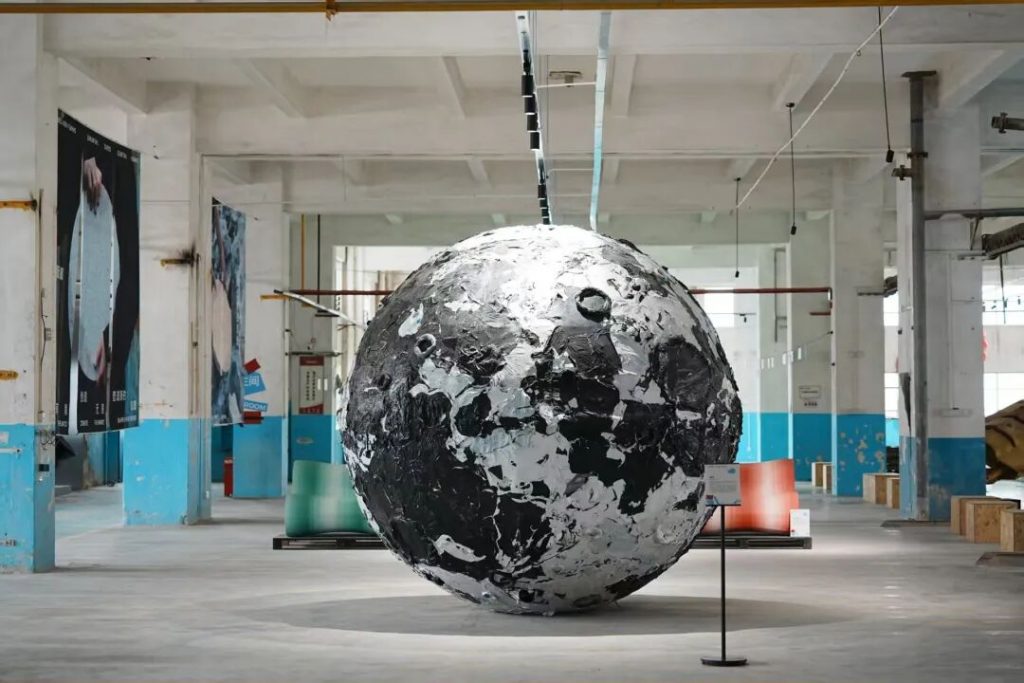
Where stands the leading sustainability innovation hub in China’s Guangdong-HongKong-Macau Greater Bay Area? Look no further than a former factory in the city of Foshan.
Tucked inside the T2M industrial complex is DP LAB, the innovation arm of Guangdong Dongpeng Holdings, about a 10-minute drive from the group’s headquarter office. What was once a bustling manufacturing plant now is a living lab for circular design.
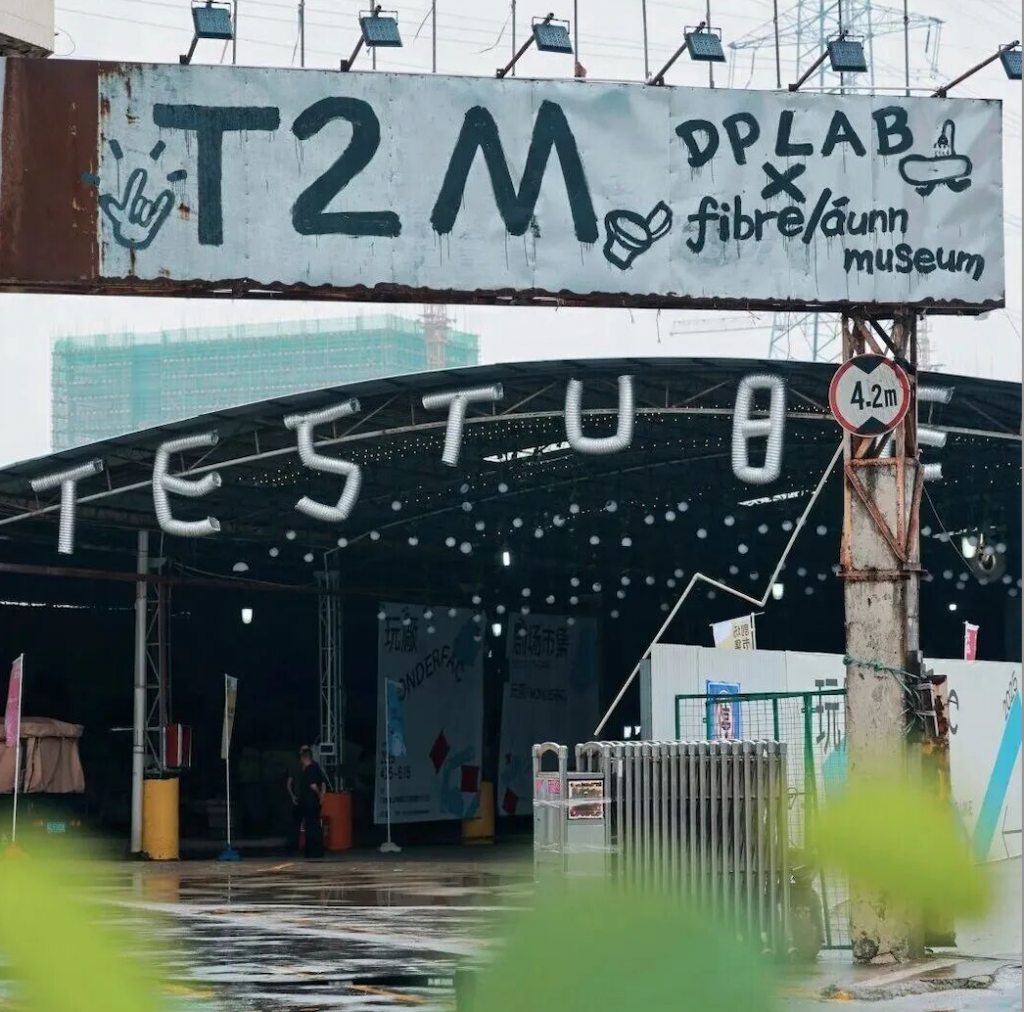
A few kilometers from the crowds at the Ancestral Temple, the cityscape shifts. This area once powered Foshan’s manufacturing boom, home to legacy brands including Dongpeng. As production relocated, the giant’s sanitary ware factory, covering over 30,000 square meters across six floors, fell quiet after decades. Demolition was one option, but reinvention proved better.
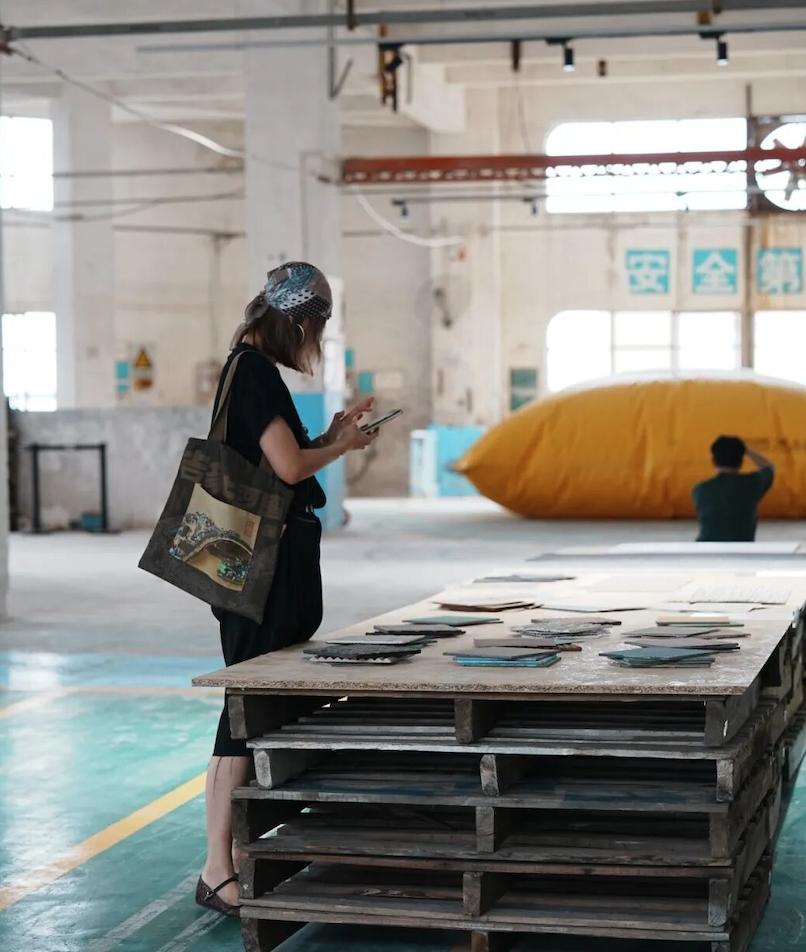
Early experiments began in 2017. In 2025, a full transformation followed. Within a year, the aging structure reopened as an open, shared platform for sustainable innovation. More than 85 per cent of the original industrial fabric remains intact, which is both raw and contemporary – now recognized as a provincial model for industrial heritage revitalization and a case study in urban regeneration through adaptive reuse.
Sustainability, up close
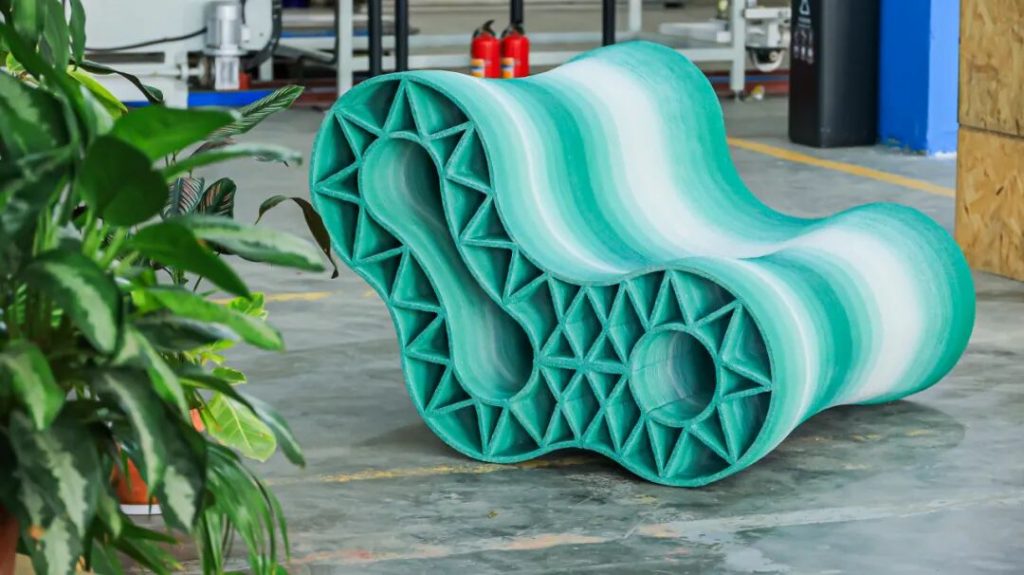
DP LAB’s edge exists in accessibility. It strips sustainability of technical gatekeeping and turns abstract concepts into lived experience. Upcycled elements run throughout, including tables and coasters being made from discarded ceramics that retain the grit of industrial production while embodying circular logic. “Waste into resource” isn’t a slogan here – it’s furniture you can touch.
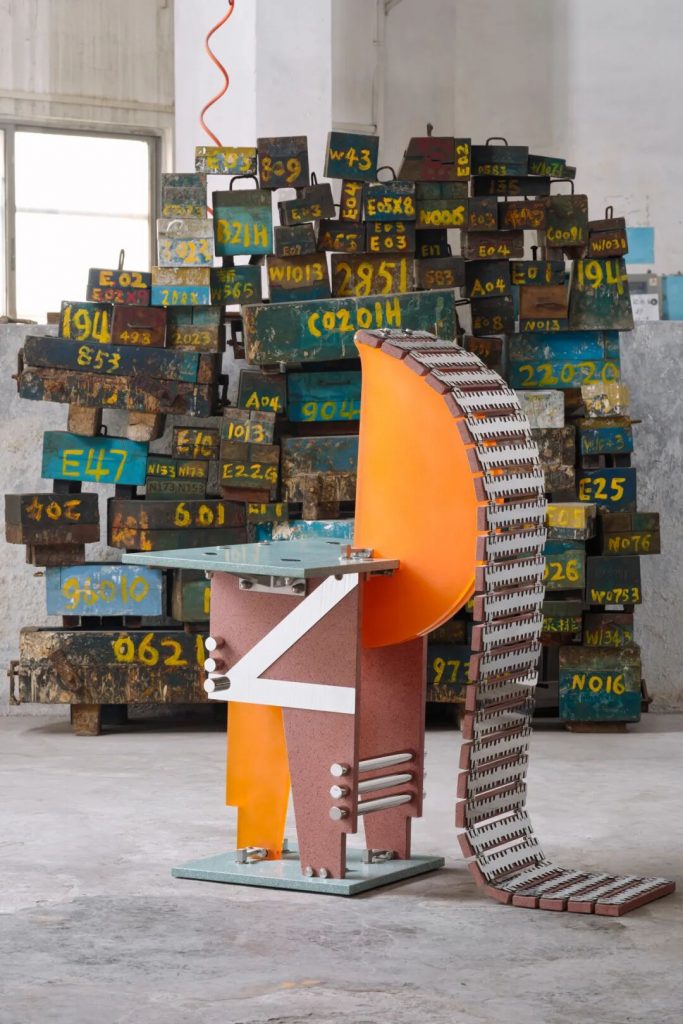
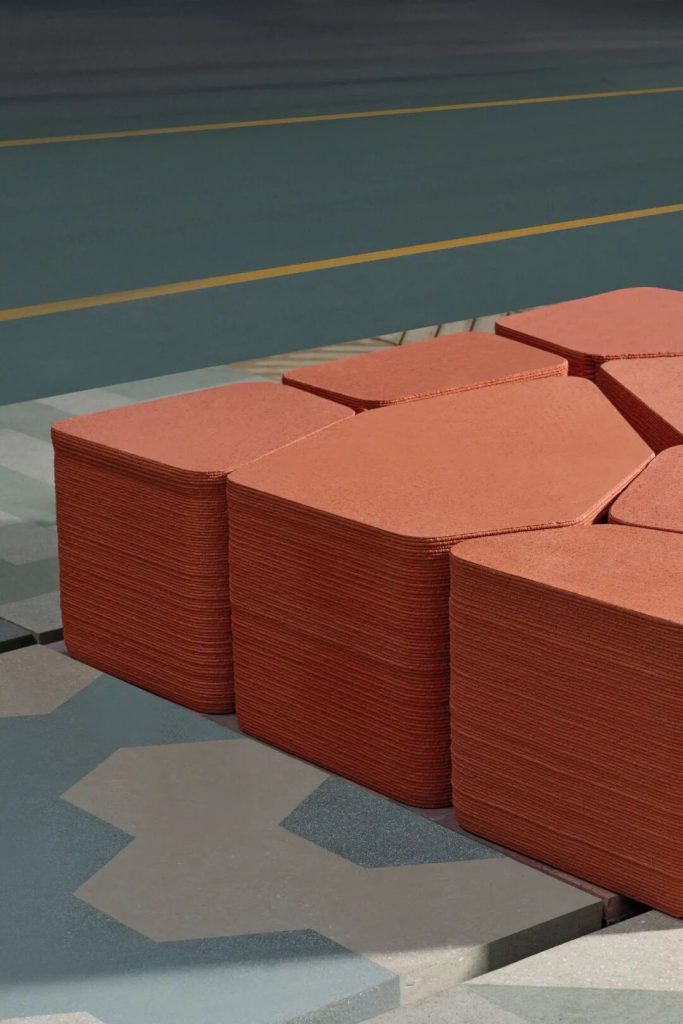
The ground floor functions as a city living room, the public’s entry point into sustainability. A designer-in-residence program works with salvaged bathtubs, tiles, and lighting fixtures left behind in the factory, fusing industrial remnants with contemporary aesthetics. Dozens of workshops and co-creation events are held annually, shifting visitors from spectators to participants.
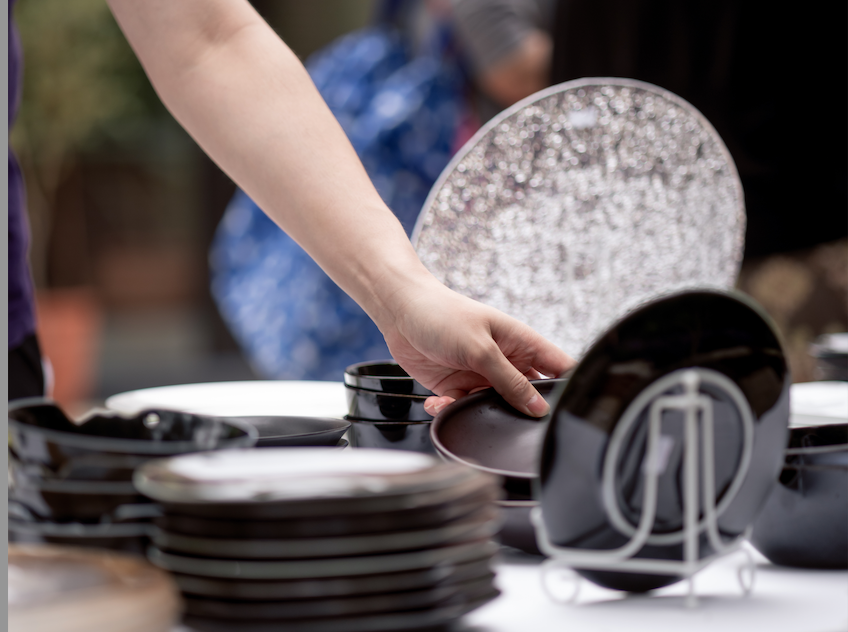
Past programs have ranged from carbon literacy workshops to a Christmas installation built entirely from unwanted household items – paper bags, toys, cardboards – reframing waste as collective creativity. (When visiting DP LAB you may find a collection of retired tableware which came from the inventory of Shanghai’s top restaurants to launch Re-plate charity sales program )
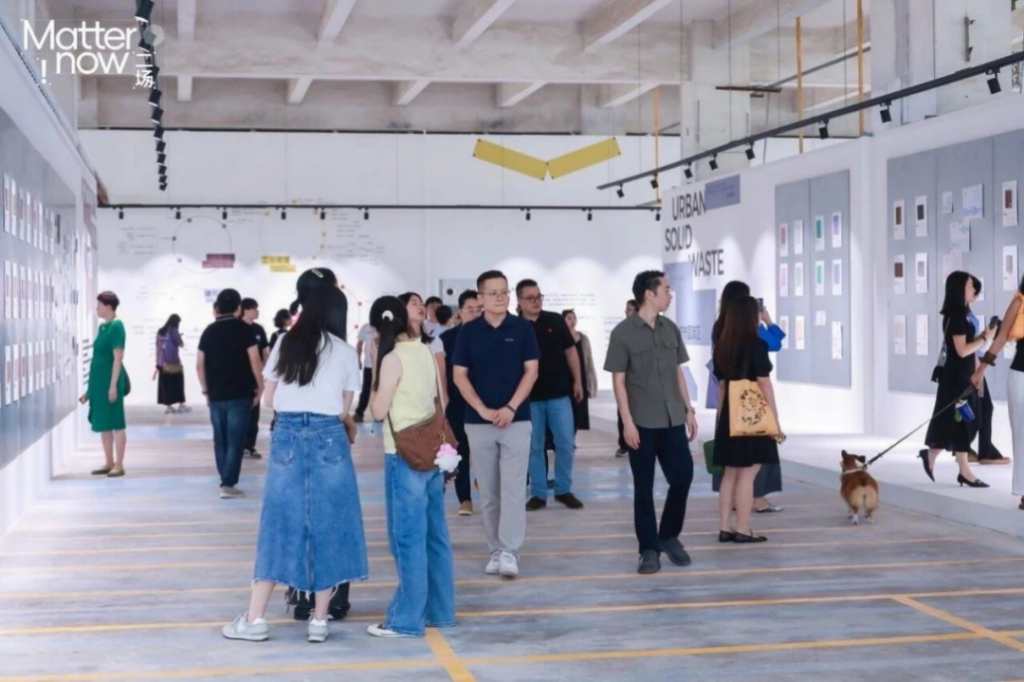
The 3rd floor moves into professional terrain. A materials library houses over 300 samples from more than 30 domestic and international brands, showcasing how industrial waste, agricultural by-products, and even household trash can re-enter the production cycle.
“We’re in pursuit of building the largest sustainable materials library in the Greater Bay Area,” said Chuqing Feng, the lead of DP LAB.
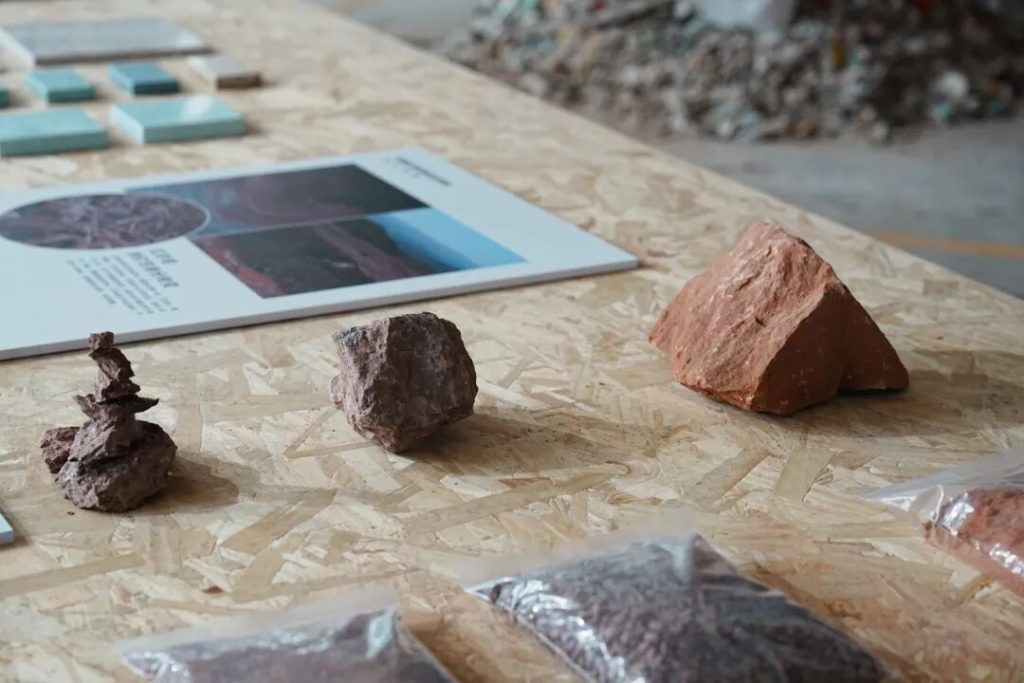
Alongside it, the mine initiative treats industrial waste as a resource bank. To date, the program is believed to have enabled the reuse of more than 50 tons of discarded materials, achieved a 60 per-cent recycling rate for waste ceramics, and reduced annual landfill volume by roughly eight tons.
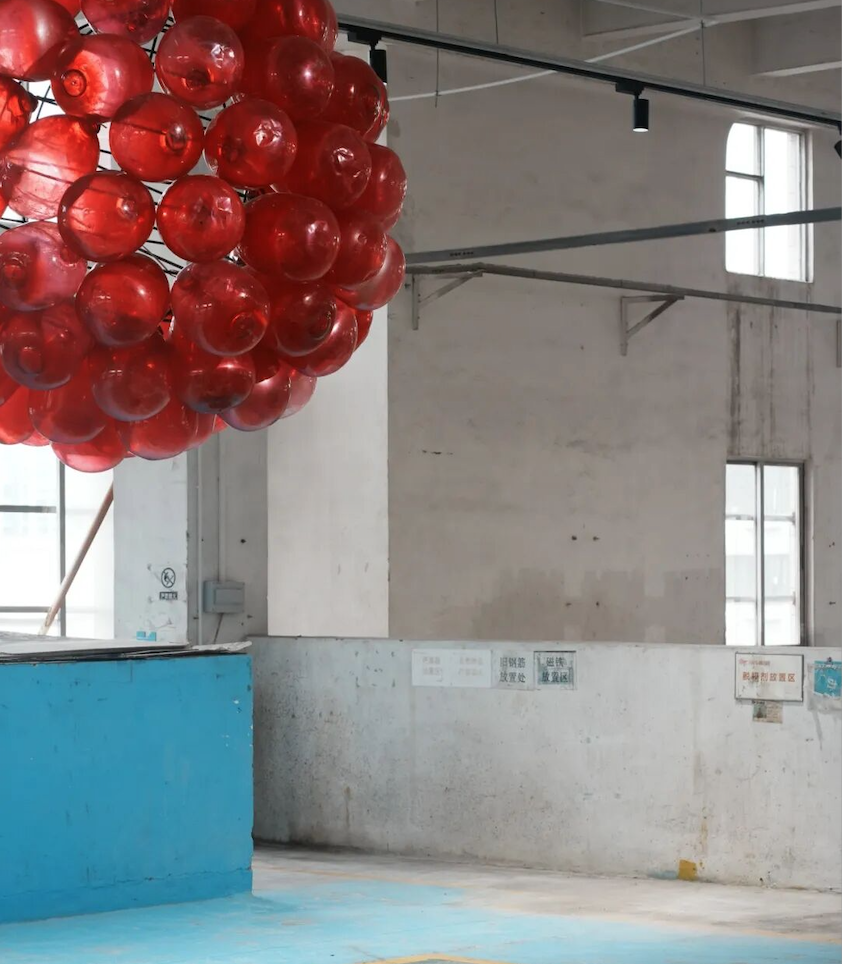
On the 5th floor, sustainability meets lifestyle. Visitors encounter the regenerative potential of fruit peels, the brewing process behind kombucha, and the science of fermentation – small demonstrations of how bio-based materials can shape daily life.
This year, DP LAB plans to introduce additional sustainable brands and design teams to the 6th floor, while upgrading the 2nd and 4th floors to expand its ecosystem.
The power of small choices
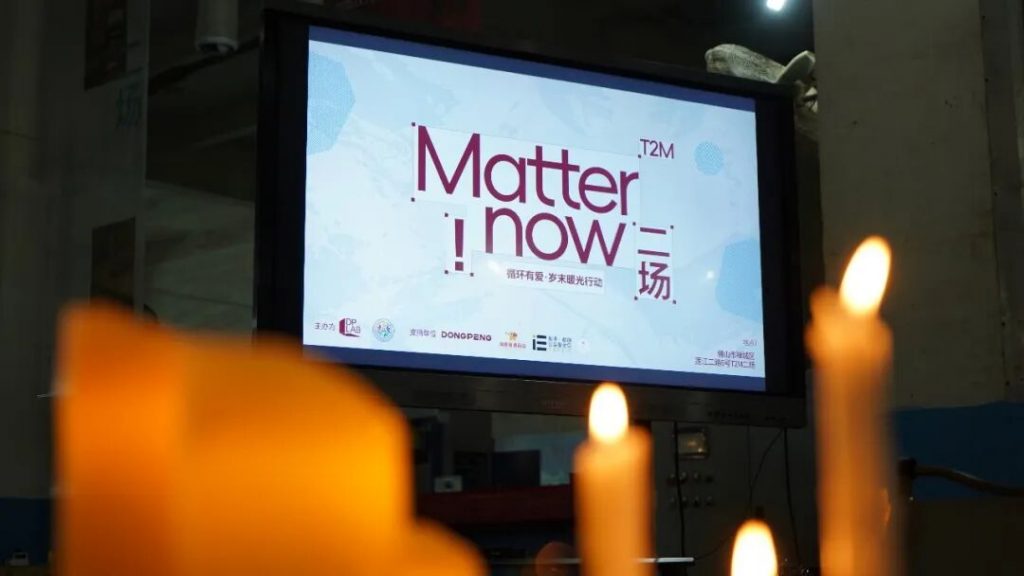
Feng admitted that she had believed sustainability was remote. She did use disposable straws at coffee shops and rarely carried a reusable bottle – convenience came first. “One person doesn’t make a real difference,” she thought.
Working at DP LAB changed that calculus. Sustainability, she said, is not a grand cause reserved for specialists. It is a series of small, repeatable acts, from refusing a plastic straw, reusing a tote bag to sorting waste and finishing what’s on your plate. Alone, they seem trivial. At scale, they shift systems.
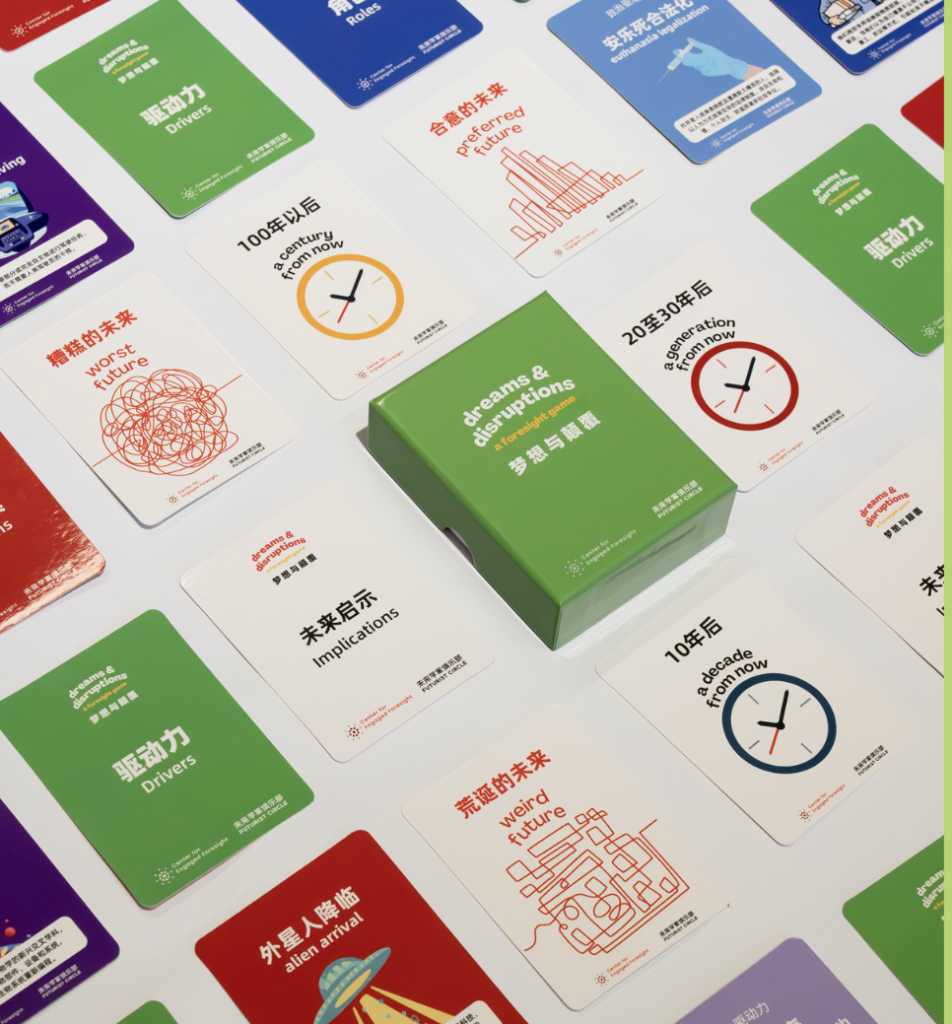
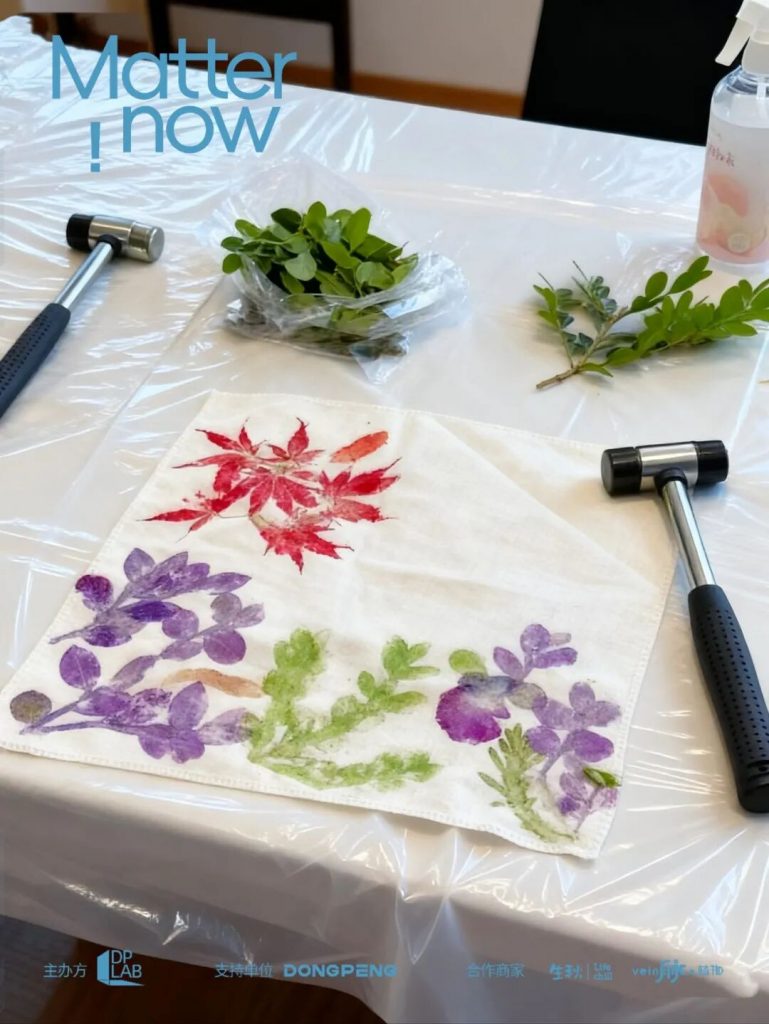
DP LAB connects small acts to larger frameworks, linking advanced materials research, design innovation, environmental science, and public engagement. It translates sustainability into everyday practice. At DP LAB, sustainability is not abstract or preachy, but it is tactile. And it begins with what we choose to do today.
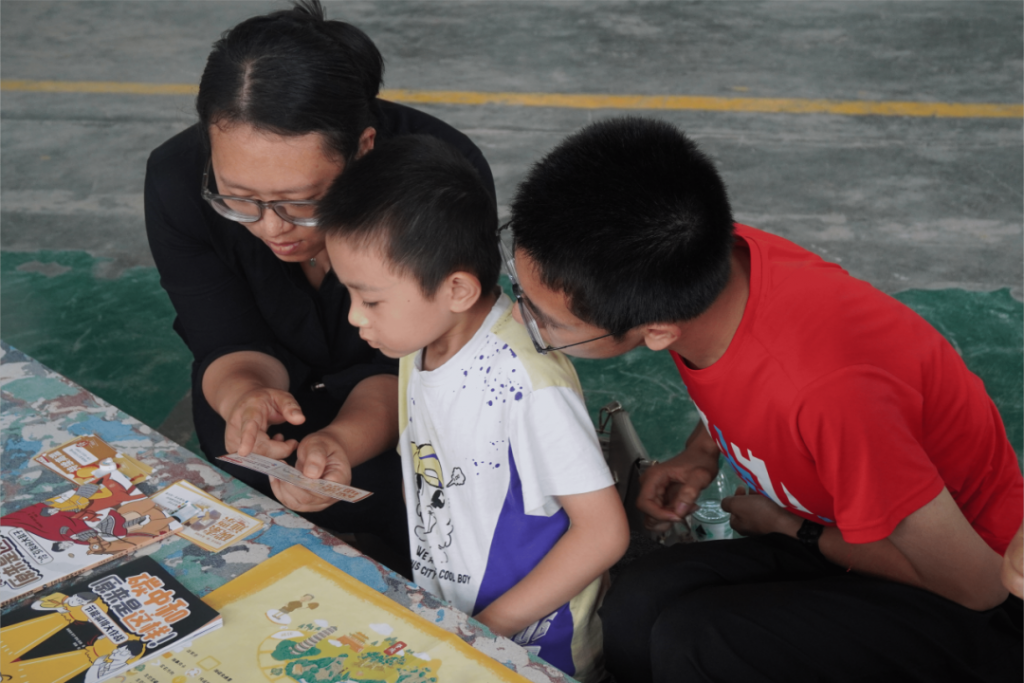
Green living is not about deprivation, but a stylish, warm lifestyle.