Shanghai’s dining scene thrives on novelty, of which the concepts multiply, boundaries blur, and surprise often takes precedence. In the race toward the new, attention to food itself is sidelined from time to time.
Heart-warming flavors rarely derive from technical excess or attention-grabbing tactics, but they more emerge from a respect for ingredients, carrying a comforting resonance.
Pure flavors in simple grace
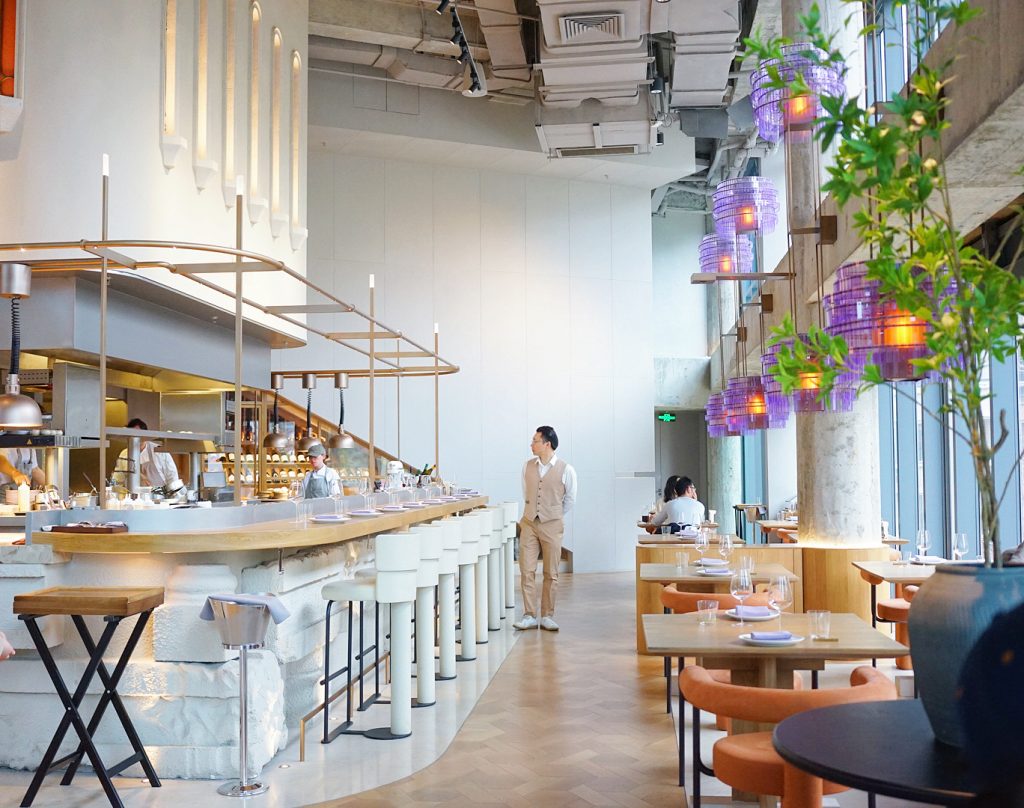
Just steps from the bustling Jing’an Temple, within the Yongyuan Road Community – a thoughtfully designed urban renewal complex with greenery, contemporary culture and neighborhood life coexist, the restaurant Aster by Joshua Paris avoids overt concepts, choosing instead to focus on the honest expression of seasonal ingredients.
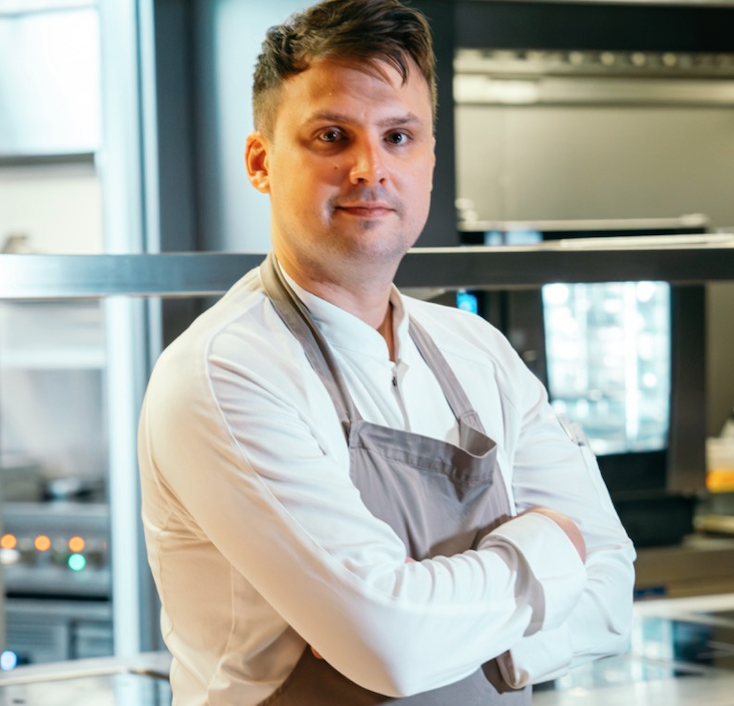
A short elevator ride led to the second floor, opening into a light-filled, uncluttered space free of decorative excess. At its heart is a generous open kitchen, where Chef-patron Joshua Paris (JP) worked unhurried and focused with a temperament naturally aligned with the restaurant’s atmosphere.
This uniqueness of the restaurant is shaped by Chef JP’s quiet personality, his affinity for nature, his insistence on genuine flavor, as well as his years of rigorous professional training. Together, they brought out Aster’s philosophy, which is complex and diverse simplicity.
The name Aster, borrowed from a perennial flower, encapsulates this thinking. Associated with resilience and understated beauty, asters bloom in season, without excess or urgency. For Chef JP, the reference is both personal and culinary, cooking in step with natural cycles, allowing ingredients to present the dish itself.
Simplicity is the means through which flavor is brought into sharper focus. Chef JP believes that the true appeal of food lies in its inherent taste.
At Aster, this approach drives a cooking style that moves beyond rigid culinary categories. Grounded in European technique, the menu explores accents with openness and diversity while in the pursuit of authenticity.
Having lived in China for many years, Chef JP works closely with small local farmers and producers, incorporating ingredients such as Huzhou pigeon and Hangzhou cheese into the menu. A diverse team ensures that Chinese local ingredients are approached with understanding and respect, never as mere spectacle.
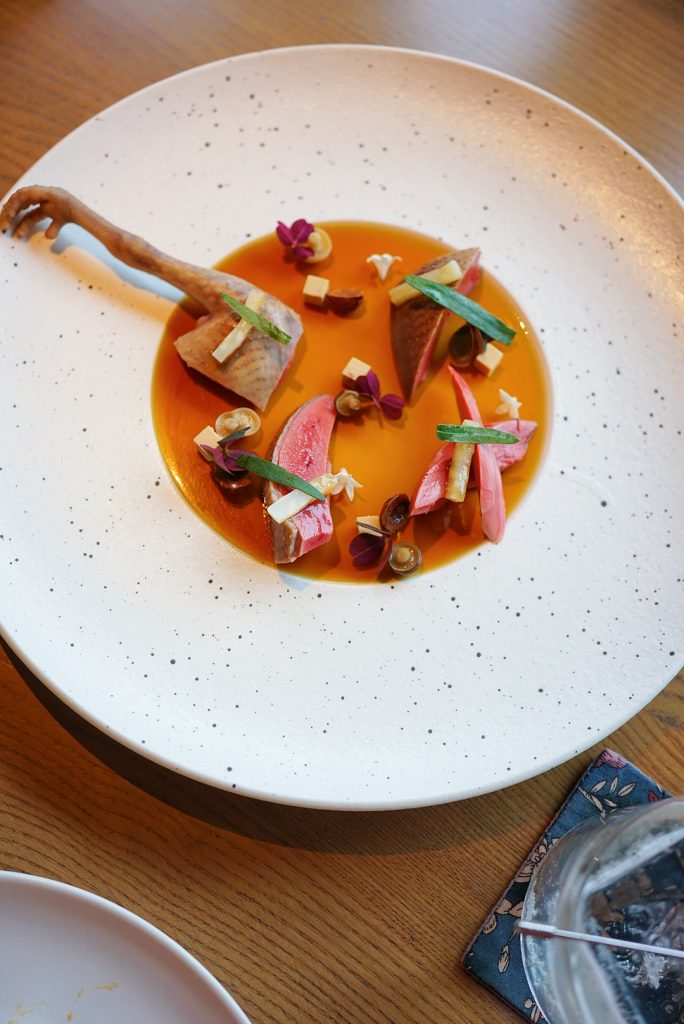
One standout is the XL Huzhou pigeon with Chinese, French, and British culture infused. Inspired by the classic Chinese drunken pigeon, traditionally prepared with yellow wine and Zhejiang vinegar, the pigeon is marinated in Jura Vin Jaune, served with a British-style chicken gelée recalling the chef’s childhood, and cooked in tribute to the acclaimed Chef Daniel Calvert.
Nearly two decades in professional kitchens, his formative years at the now-defunct three-Michelin-star Ultraviolet in particular, have made precision second nature to Chef JP.
Unbound by the formalities often associated with fine dining, the chef is uncompromising when it comes to fundamentals, such as exceptional sauces, exacting control of heat, and disciplined execution. It underpins the philosophy of complex simplicity, ensuring that natural flavors never feel thin.
Easy genial
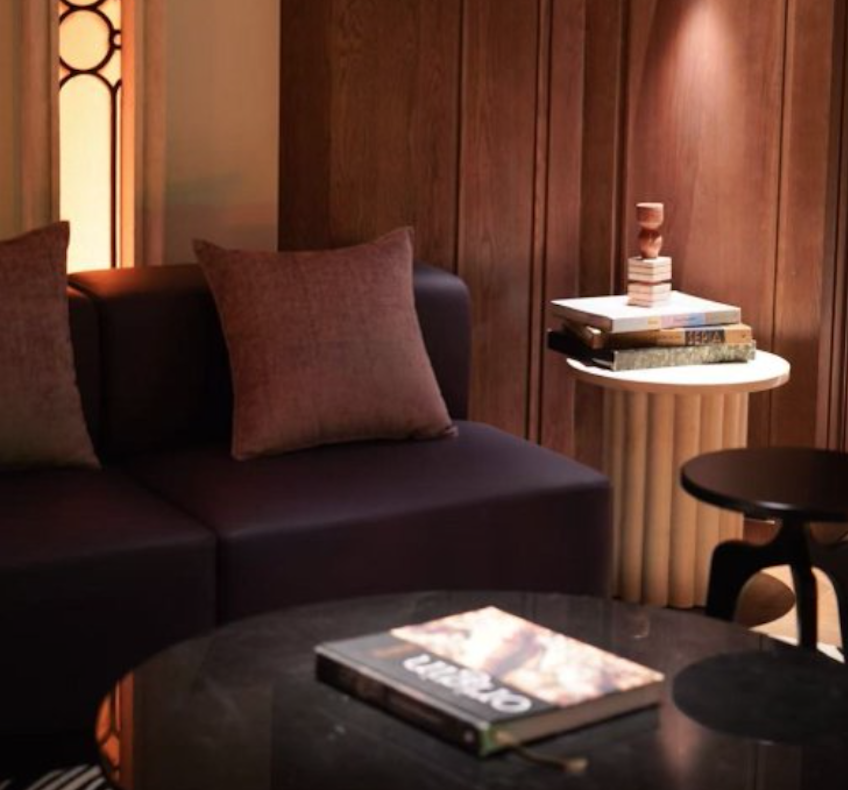
Aster’s appeal extends beyond the plate. It is a restaurant designed to put people at ease.
The interior design mirrors the openness of the surrounding community. Clean lines, generous space, and an open kitchen dissolve the distance between diner and cook. Counter seating offers a view and a relaxed bar area inspires casual engagement.
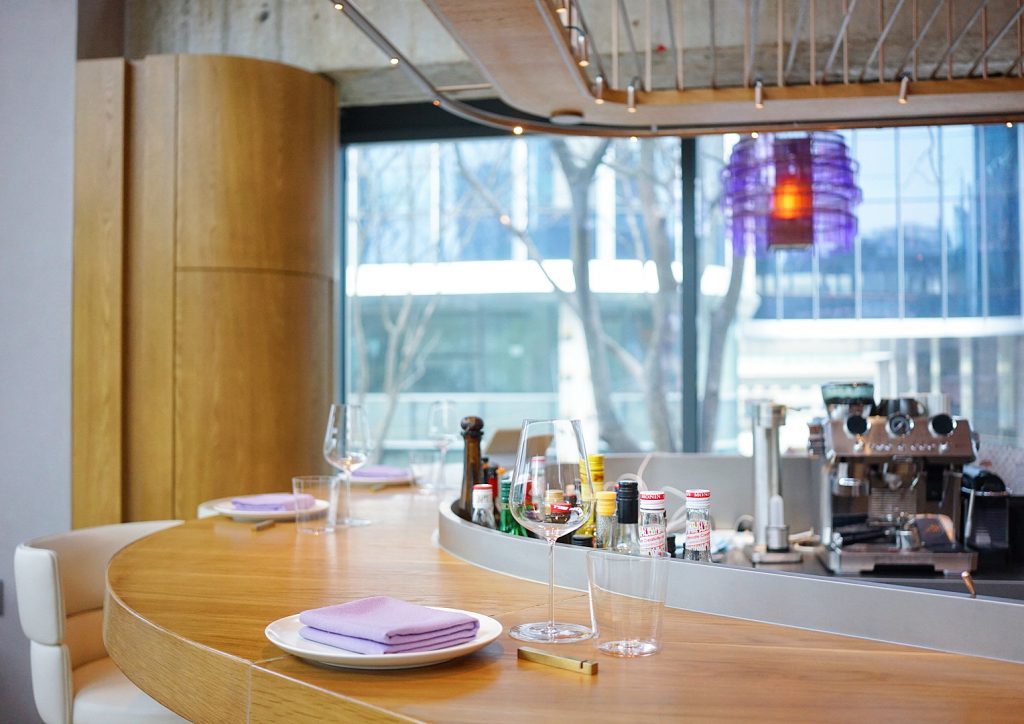
Natural light fills the room, floor-to-ceiling windows look out onto a 2,000-square-meter communal lawn planted with more than 60 native species, and with no fences the landscape belongs to everyone – neighbors walk dogs, picnic, or sit in the sun.
From inside Aster, everyday life beyond the glass becomes part of the dining experience. Through the windows, lush greenery and a sense of calm unfold in front of you, creating the feeling of being immersed in nature itself.
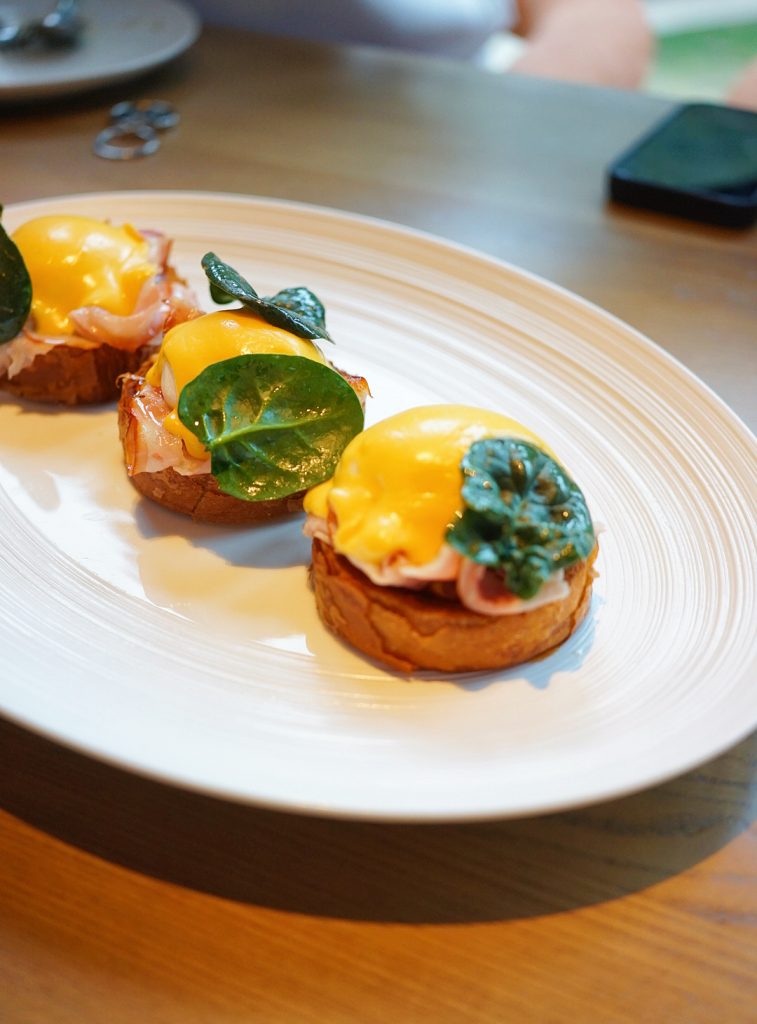
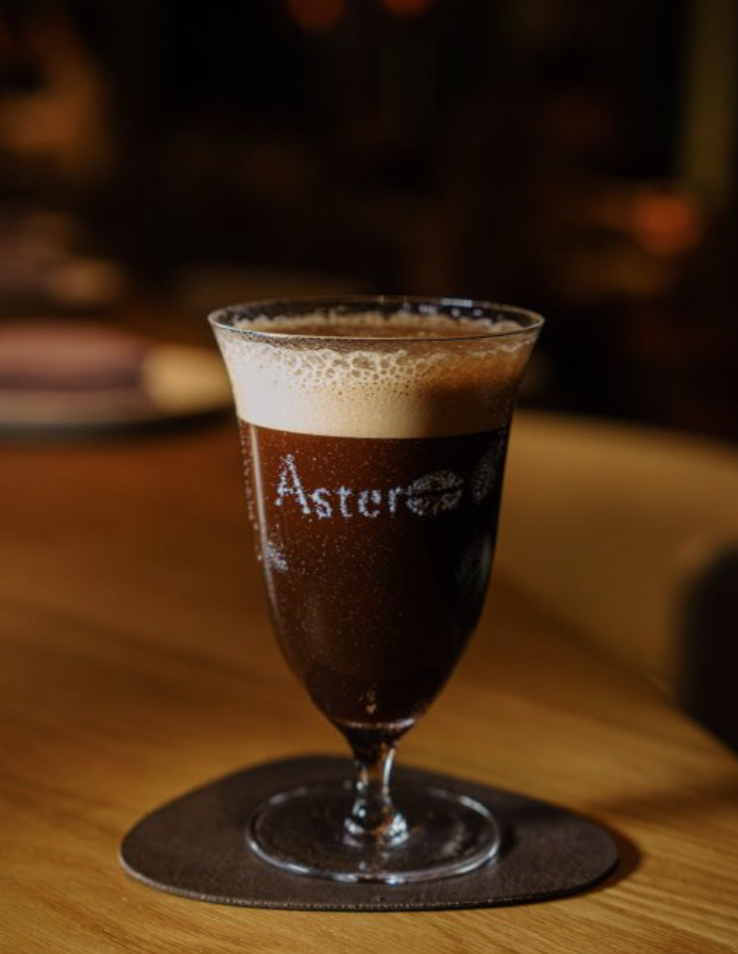
The à la carte menu reinforces the sense of ease. Guests are free to order as they wish, with options that accommodate different budgets. The menu is concise and flexible, appealing to a range of tastes without losing focus. Most wines are priced under 800 yuan (US$115), while non-alcoholic selections include locally crafted kombucha.
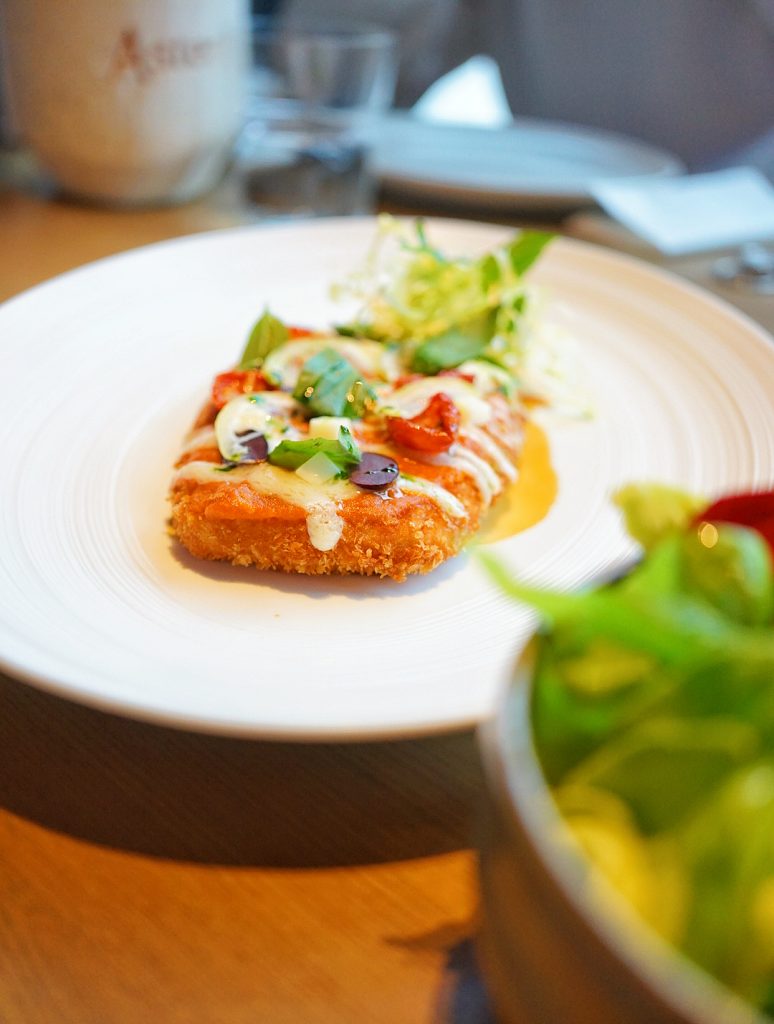
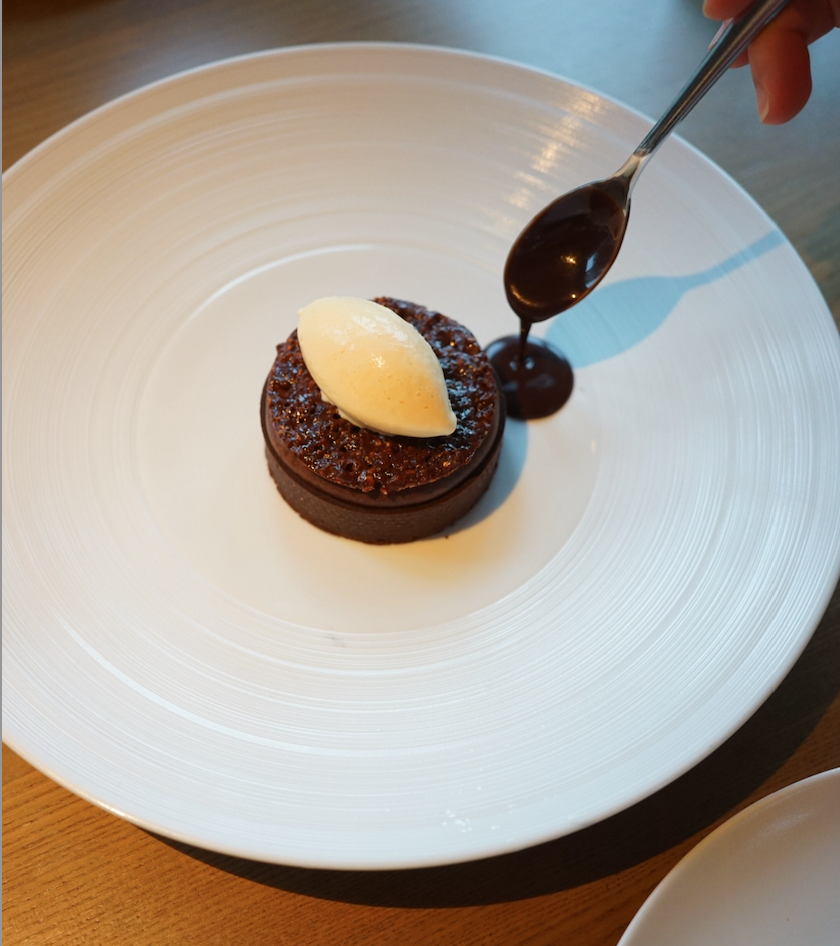
What’s even better is that weekend brunch is served every weekend, featuring signature dinner dishes alongside brunch-exclusive plates, with a free-flow option of Billecart-Salmon Champagne and selected drinks.
A good restaurant earns return.