
Yunnan – just the name alone feels magical. Think of it, and the mountain winds stir, and the breath of life rising, echoing nature’s boundless vitality.
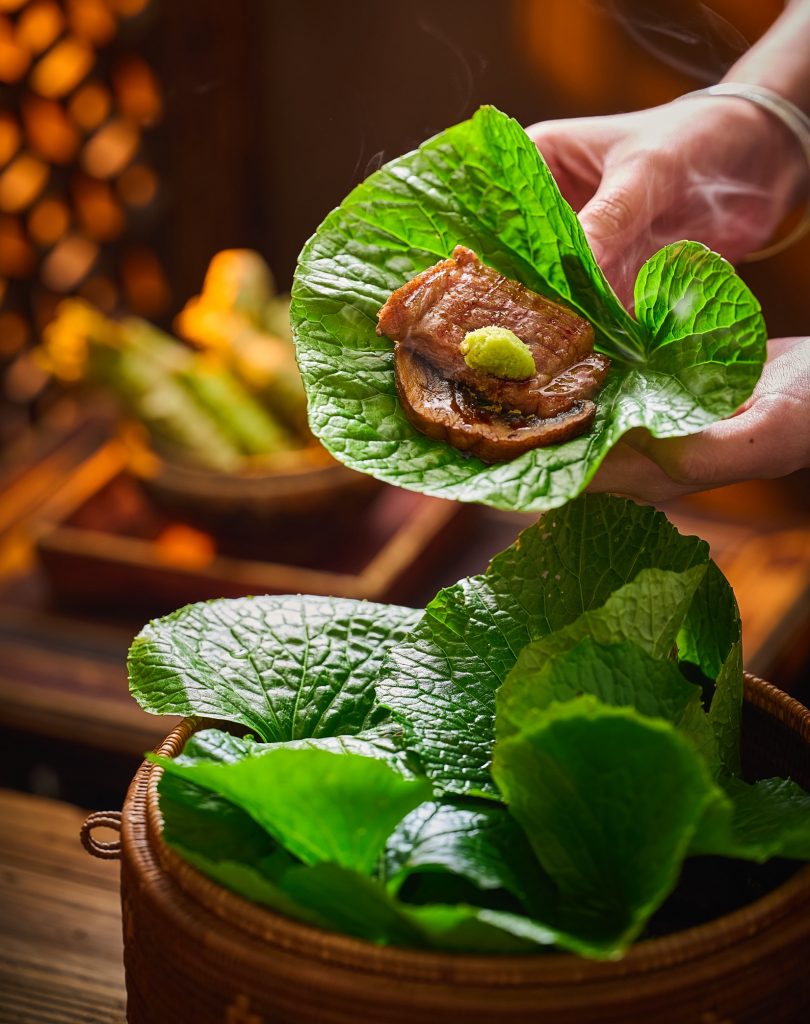
This energy springs from Yunnan’s singular geography and climate. Where plateaus, gorges, and rainforests intersect, the seasons are alive. Spring sprouts wild greens and mushrooms, summer overflows with fruit and freshwater harvests, autumn brings rice and orchards, and even winter keeps vegetables verdant and cured flavors aromatic.
Tea, coffee, wild fungi, flowers, medicinal herbs, and others, form an inexhaustible pantry – nature’s gifts that shape a cuisine rooted in seasonality and place.
At the heart of Yunnan, however, are its people. Home to many ethnic communities, their traditions are written into every meal. The Yi people’s fire pits, the Bai people’s three-course tea, the Dai’s spicy-sour dishes, and the Naxi’s ceremonial feasts all blend into abundant culinary heritages – each unique yet interwoven.
The recent global rise of Yunnan cuisine is no accident. As diners seek connection to the land, climate, and culture behind their food, Yunnan restaurants answer this longing with wild ingredients, ethnic influences, and local stories. At the center of this culinary shift, Yunnan has emerged as a new epicenter of taste.
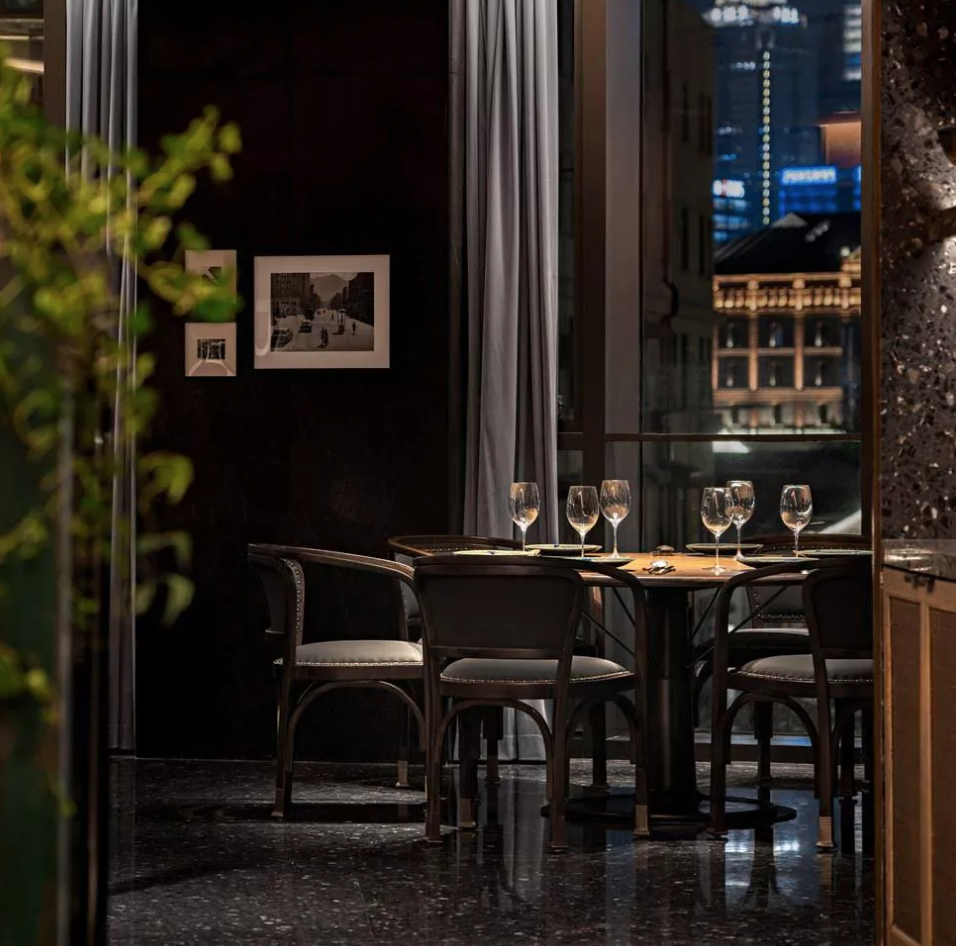
Amid the wave, the restaurant group Hong 0871 brings the highlands’ flavors to a wider audience. From Shanghai to cities beyond, it introduces Yunnan’s wild aroma into daily life, offering authentic tastes that are both accessible and intimate – bringing this distant region close to the table.
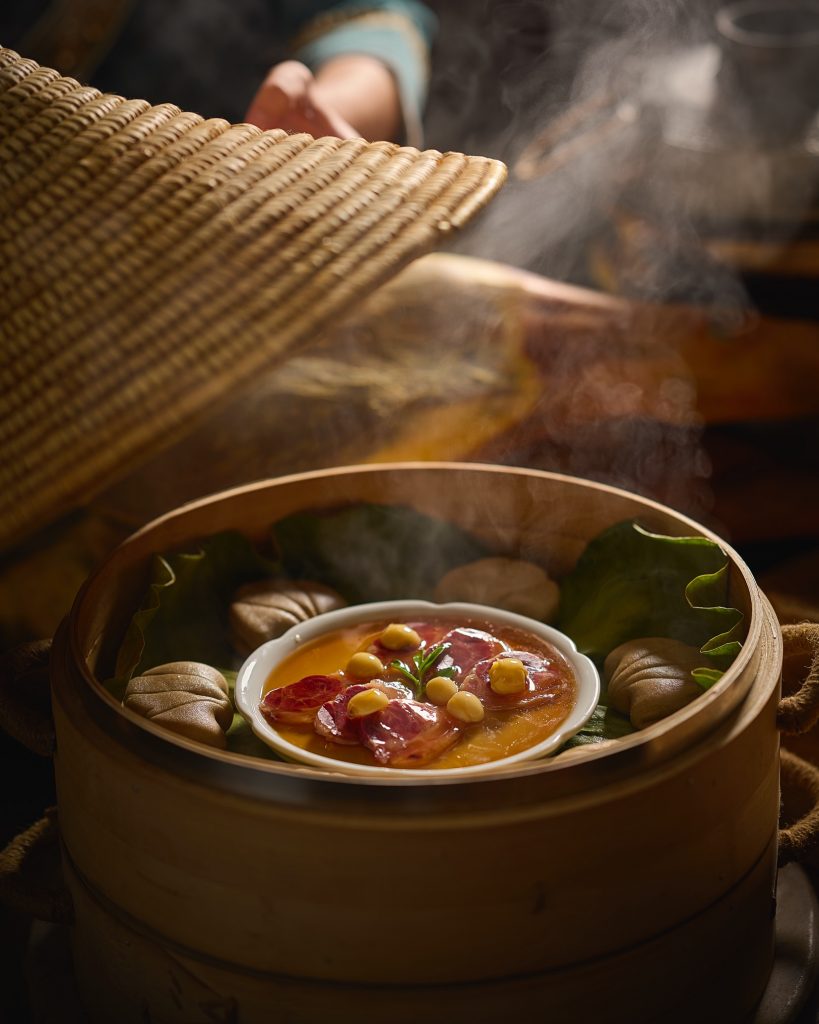
Winter in Yunnan draws warmth from the earth itself. Roots buried in the cold soil – gastrodia elata (TianMa in Mandarin Chinese language), kudzu root, mountain yam, ginger (Zingiber officinale Roscoe) – grow tender and sweet. Frost-kissed wild greens turn soft, juicy, and fragrant. Black mountain goats, black chickens, black truffles, and dark honey gather the sun’s energy, offering gentle nourishment enriching the body. The richness is in the everyday flavors, no tonic cuisine claims needed.
Slow-cooked comfort
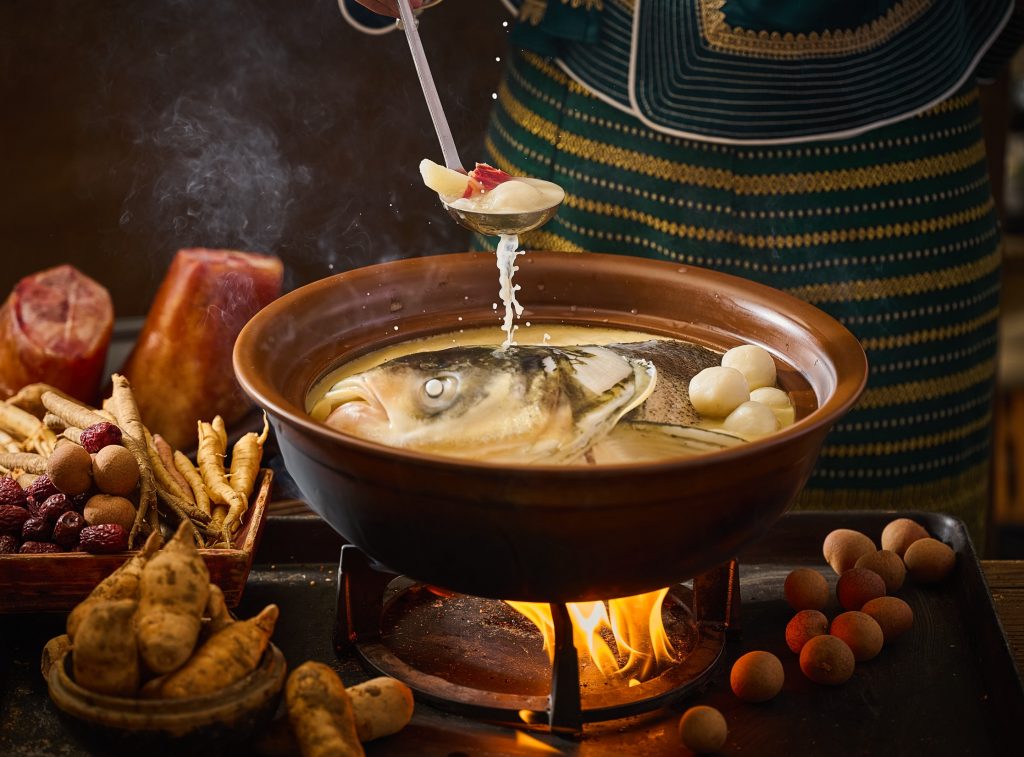
TianMa fish-head stew is naturally nourishing, but at Hong 0871 it serves as just a broth base. Seasonal roots and herbs—dong quai, mountain yam, codonopsis root, Angelica dahurica root, Chuanxiong, and small yellow ginger—infuse the broth with layered aromas. Hand-rolled fish balls and black tofu are stirred in, simmered over a gentle flame, creating a sense of warmth in a single spoonful.
Tengchong’s clay-pot pickled vegetables are served in a clay pot, with the presence of a northern Chinese copper hot pot used for lamb. Though roasted pork and meatballs add richness, the vegetables shine. Dried pickled cabbages and bamboo shoots go into the pot, joined by the frost-kissed wild greens like bitter lettuce, wild mustard, and bok choy. Slowly simmered over low heat, the caly pot comes alive as the broth bubbles, bringing together a medley of fresh, sweet, savory, and sour flavors.
Fragrant heat
Kudzu root, ginger, and Chinese yellow ginseng – winter’s buried roots – meet in a clay pot. Whether considered nourishment or medicinal, the palate will speak for itself. Luoping gingers burst with aroma in sesame oil, Qujing kudzu roots turn softly starchy, and Gansu ginsengs add soothing warmth. The juicy pigeon meat combined with caramelized ginger slices simmer slowly, fragrant oil circulating warmth throughout the pot.
Freshly simmered flavors
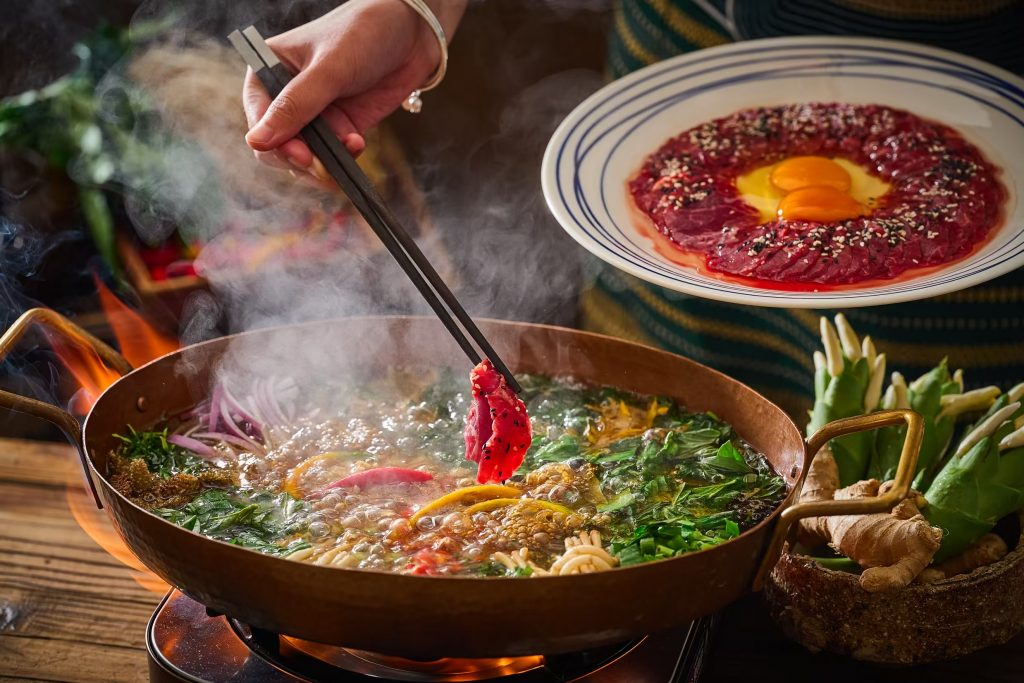
The flavors in the Simao region are built on fragrance. Onion, ginger, and garlic simmer slowly with cardamom, star anise, and fennel in rapeseed oil, enriched with a light beef broth made from carrots, celery, fennel bulbs, and bones. Fresh herbs and spices such as cilantro, fish mint, basil, mint, litsea, and lemongrass layer in one by one. Paper-thin slices of Xianglong meat dip into boiling oil, cooking in just eight seconds. Fresh, tender, and lingering in flavor, each bite is intense and refreshing.
Fermented richness
Yunnan’s fermented tofu, unlike stinky tofu elsewhere, ripens naturally in clay pots. Gentle acidity mingles with deep soybean aroma. Smooth and creamy like cheese, it melts on the tongue. Eaten on its own, it’s slightly savory. Paired with steaming rice tempers the intensity of tofu leaving a mellow finish.
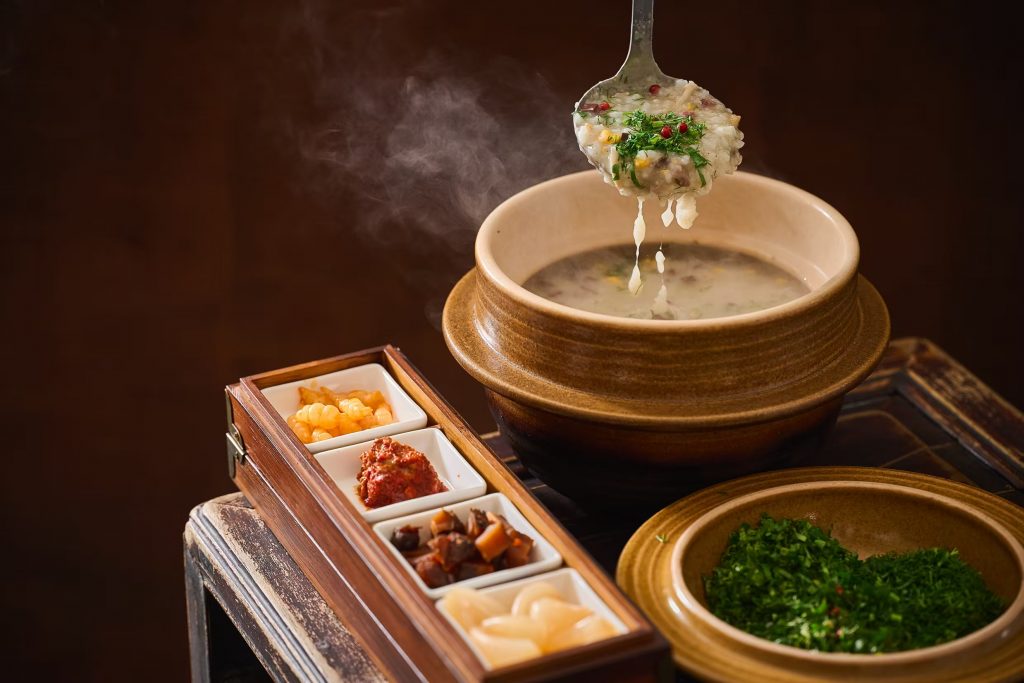
What Hong 0871 offers goes beyond the ordinary. This winter, step into Yunnan’s mountain wilderness to taste the season’s bounty and to feel the warmth drawn straight from the land.
Amid flickering kitchen fires and morning mist, discover how people live in harmony with nature, blending the comforting soup, rice, and the breath of the seasons into a natural rhythm.