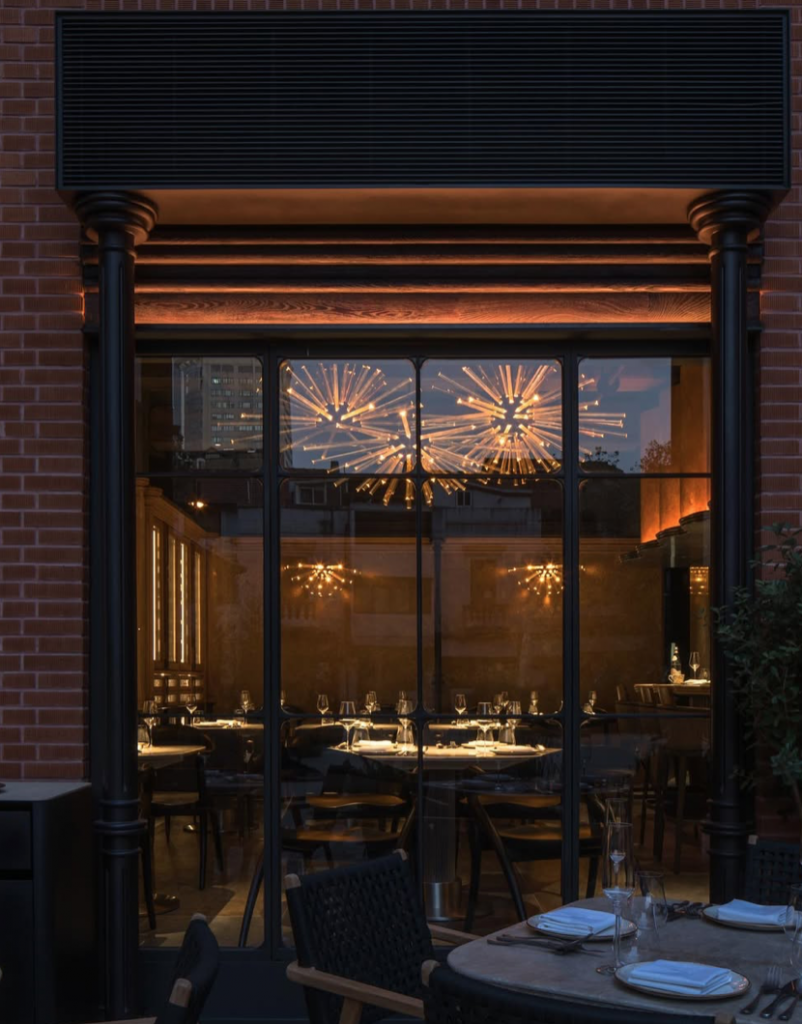
On a late-autumn night in Shanghai, dusk sank low and the air carried an early-winter chill. Pushed open the door of La Bourriche133, and the heat of charcoal grill in the open kitchen rolled out to greet you, instantly lifting the cold from your shoulders.
The restaurant is intimate – just over twenty seats – and solid booking every night are normal. In just a year, it has secured the No.96th spot on the extended list of Asia’s 50 Best Restaurants 2025, establishing itself a popularity in the region.
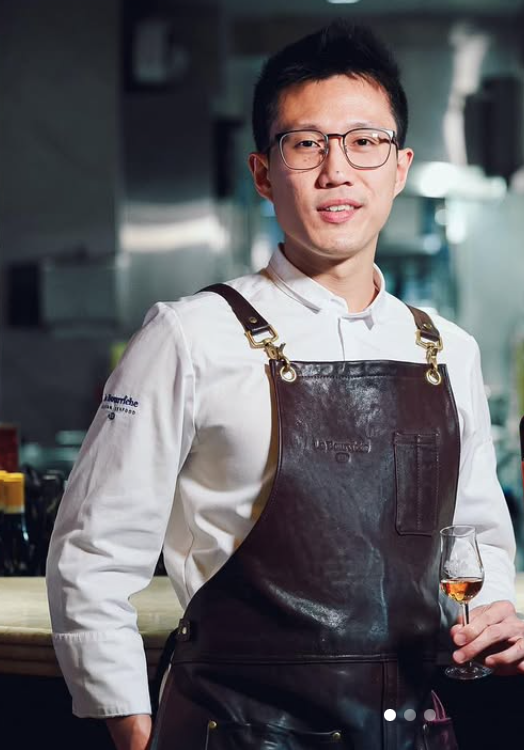
When La Bourriche133 first opened, diners often assumed it‘s all about open fire. In fact, it’s been a seafood restaurant. “When the owner approaches me, he specifically wants to build a seafood restaurant,” explained Executive Chef Jiawei.
Built on “sea-to-table” philosophy, the restaurant looks outward to global waters and inward to China’s own coastlines.
Investor Jiarui’s global network brings in premium imports across the world, while the team’s exploration of domestic waters has introduced diners with local seafood species which are rarely seen beyond Chinese kitchens, including swimming crabs from Zhoushan, Chaoshan’s whelk, roe-rich cuttlefish from Fujian, among others.
China’s sea-to-table story goes global
China’s annual fishing reopening season creates one of the most dramatic culinary moments of the year. A complete halt from May to August, followed by the explosive return of the fishing season. When the ban lifts, freshness arrives with fanfare.
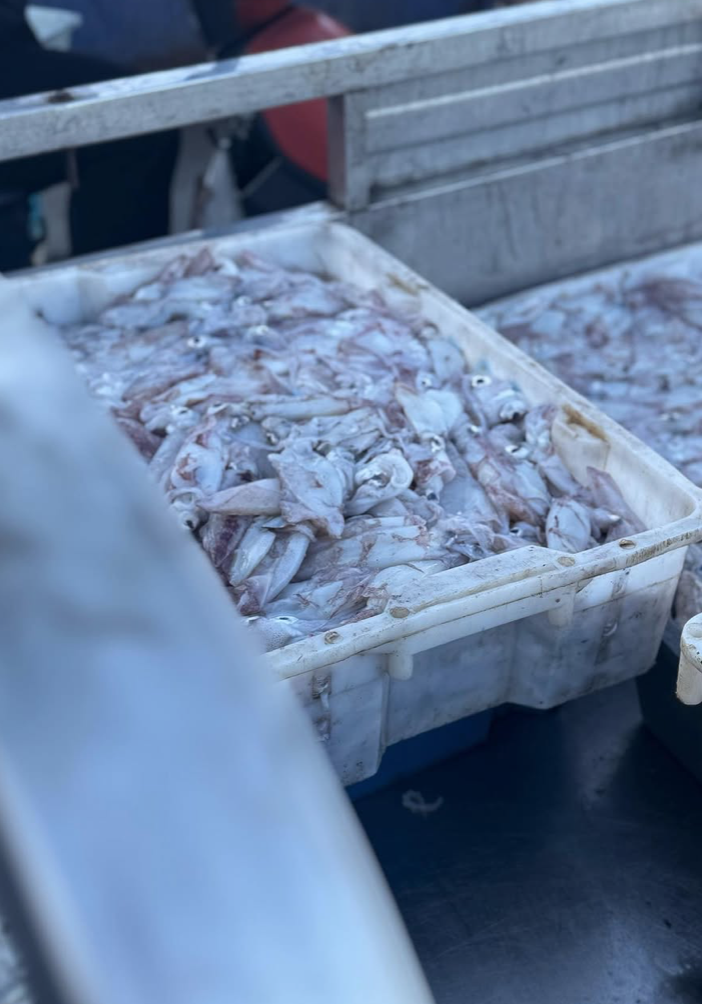
This year marked the team’s second journey to experience the re-opening season firsthand. A typhoon wiped out their first day, and the next plunged them into the chaos of fish markets. Following months of forced stillness, the moment was electric and emotional for fishermen.
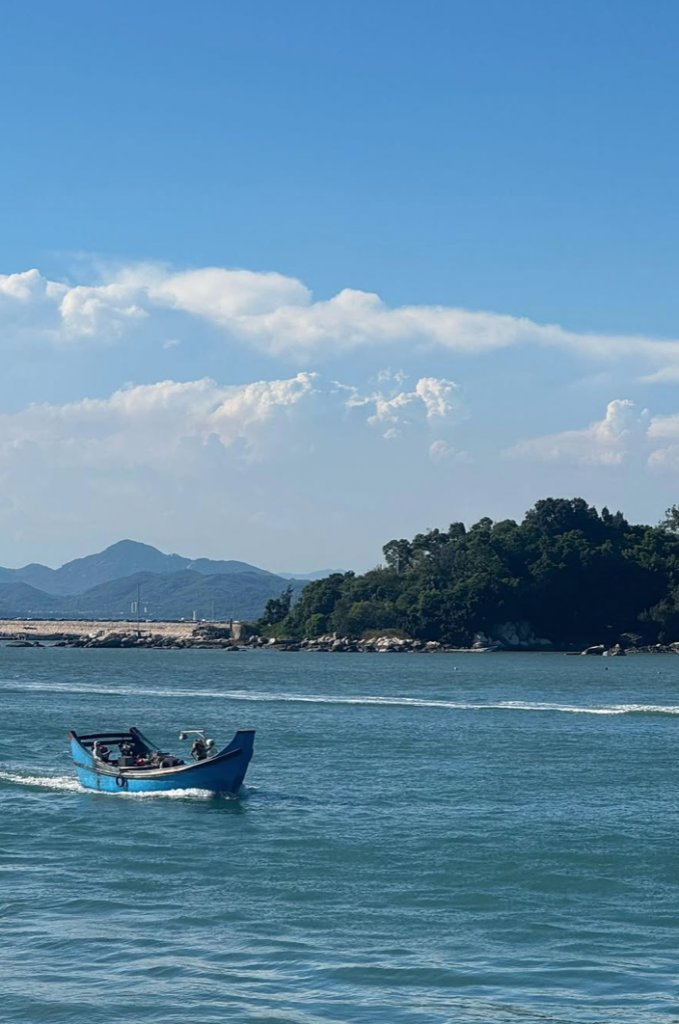
Returning to these waters gave Chef Lee new perspective. For outsiders, the season is a spectacle, but for fishermen it’s the heartbeat of their livelihoods.
He also hopes to introduce this uniquely Chinese maritime culture to global audiences. “Whenever I tell my foreign friends about the fishing season, they’re stunned,” he said.
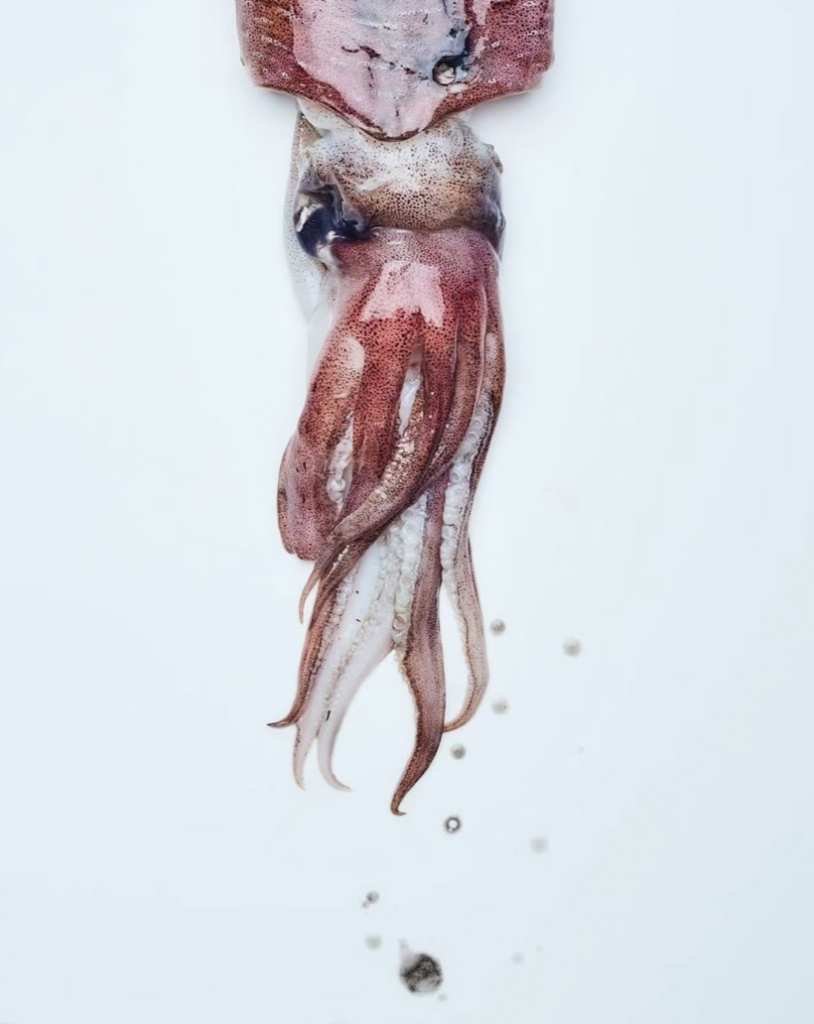
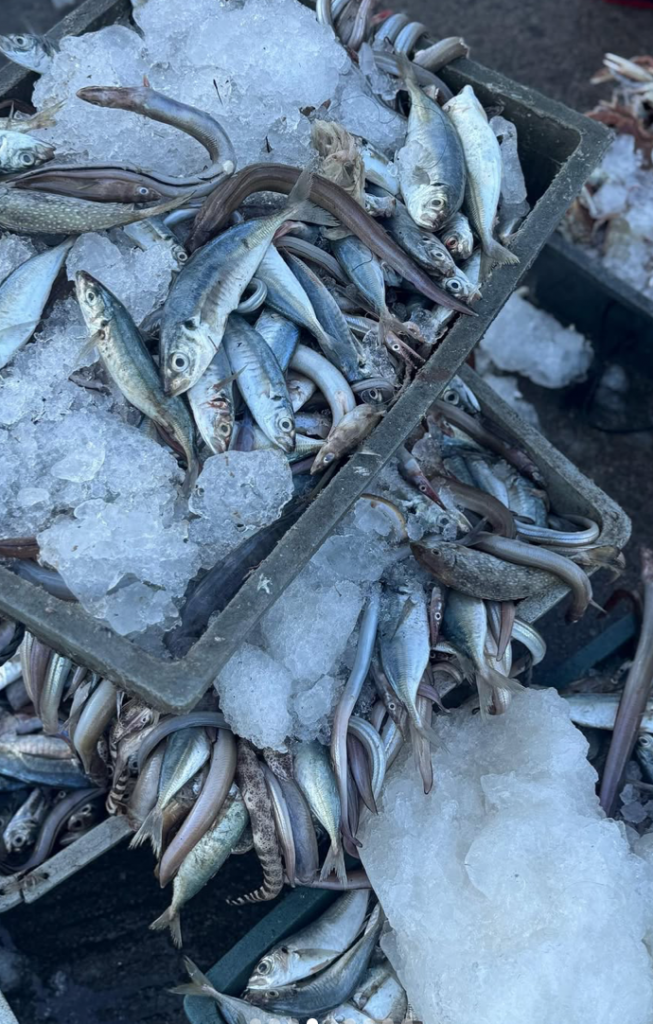
Inspired by this, La Bourriche133, for the first time, placed the reopening season through a cross-cultural context with western cooking techniques, mapping flavors from China’s four seas to the Atlantic and Mediterranean.
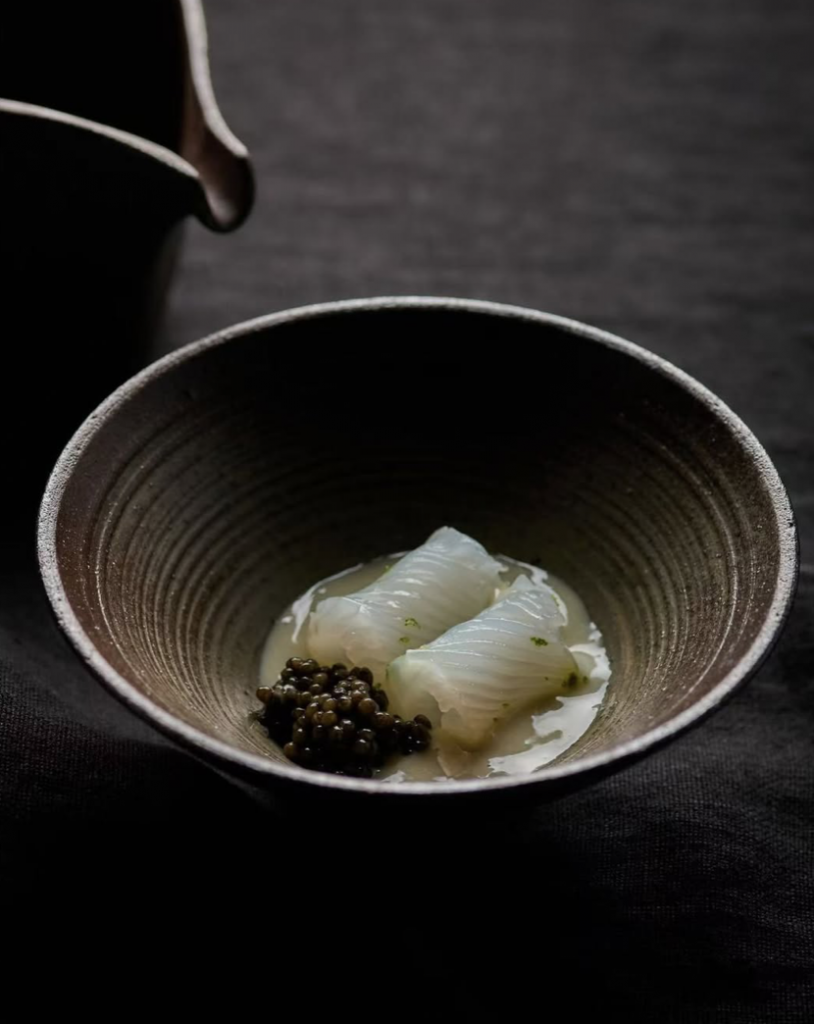
By spotlighting local species and broadening the seafood repertoire, La Bourriche133 aims to encourage sustainable choices and to bring the cultural richness of fishing opening season tradition to a global audience.
Ride the tides of flavor
At La Bourriche133, “eating with the seasons” isn’t about cycling menus, but it’s about cooking led by ingredients. New dishes emerge not because a date demands it, but for new ingredients driving creativity.
“We start with the ingredient, then shape flavor around it,” said Chef Lee.
The a la carte menu runs 20–30 dishes. Groupers simmer into milky broth, and carabinero shrimps sweetness infuse rice steeped in tea, which techniques are never showy and flavors always take the lead.
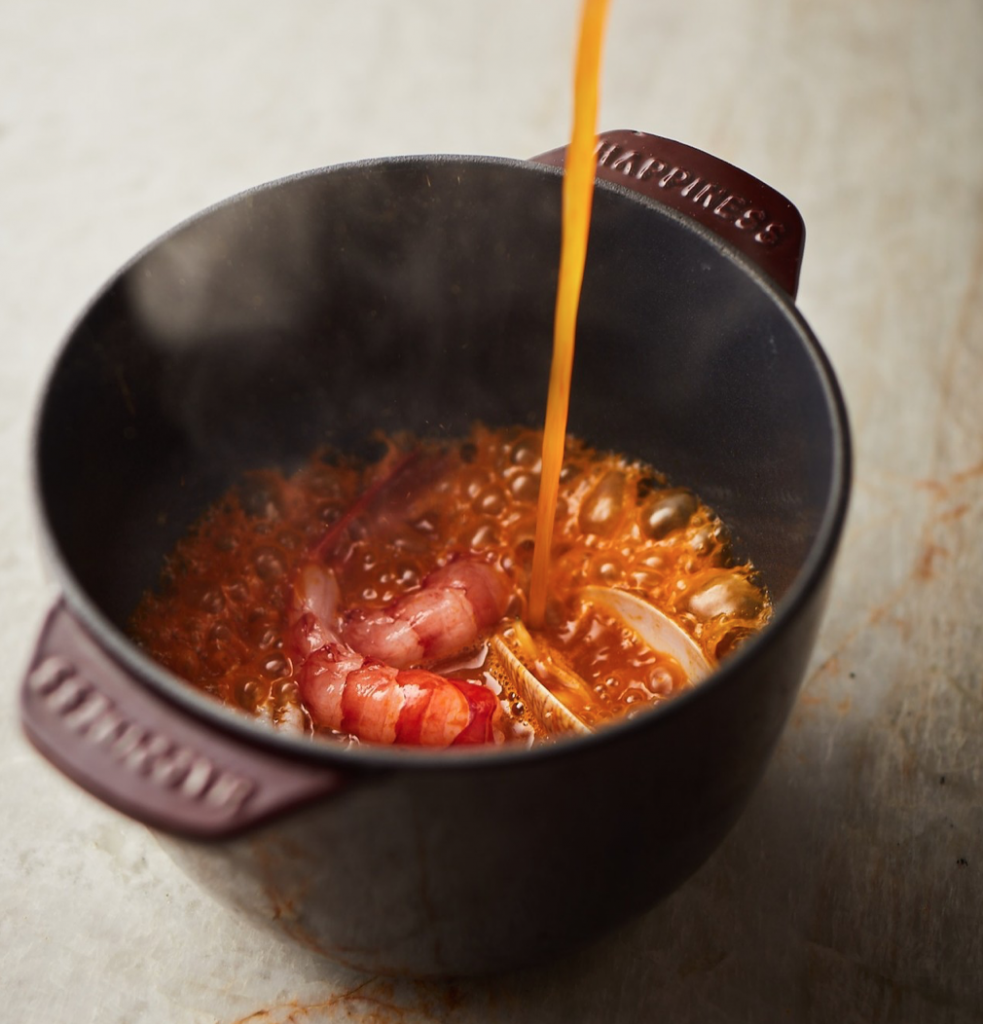
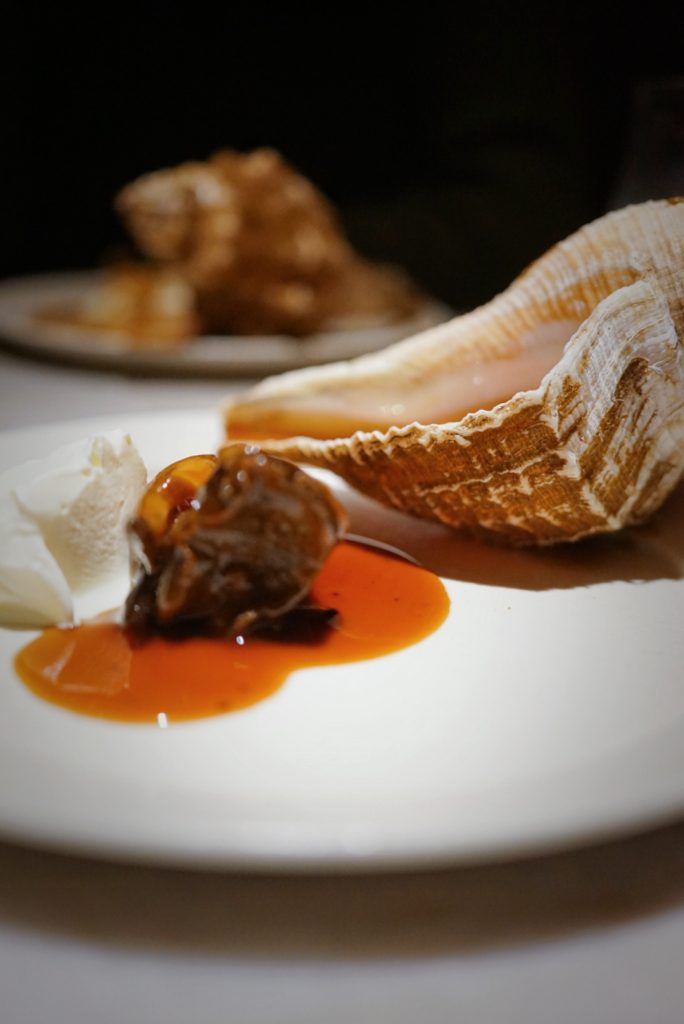
If the first year was progressive, the second is steadier. Early favorites – from Spanish seafood soup to whelk – have evolved, while new creations left a lasting impression.
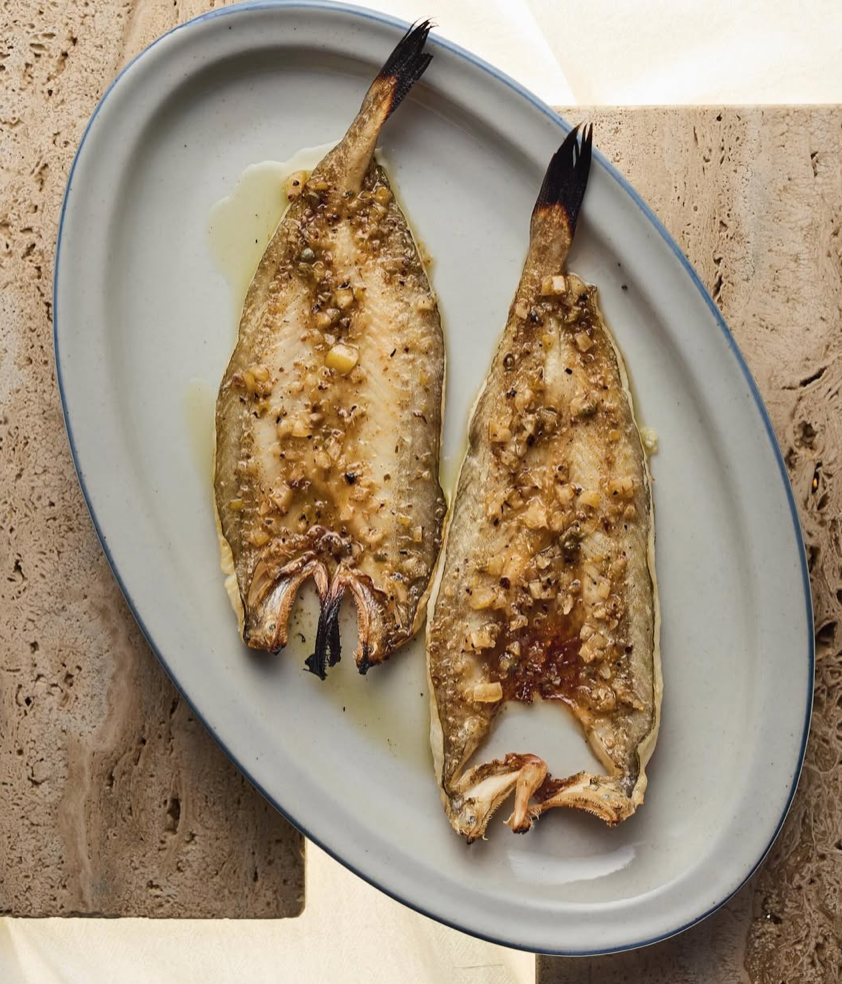
Bombay Duck Fish, usually fried or stewed locally, here it becomes something new. A three-day aging removes half its moisture and intensifies flavor. It’s seared for under a minute in a 600°C charcoal oven, absorbing a whisper of smoke while staying juicy. A flick of charred lemon zest lifts the whole dish.
Other plates follow it as well. Chinese yellow surf clam sauce with artichoke for gentle heat, and the dark-chocolate ice cream infused with French sardine garum is deceptively simple. All dishes are seen approachable but layered with depth.
Two years in, La Bourriche133 has sharpened its identity. Warm, ingredient-driven, and ocean-minded, it continues its way as a gatherer of the tides.