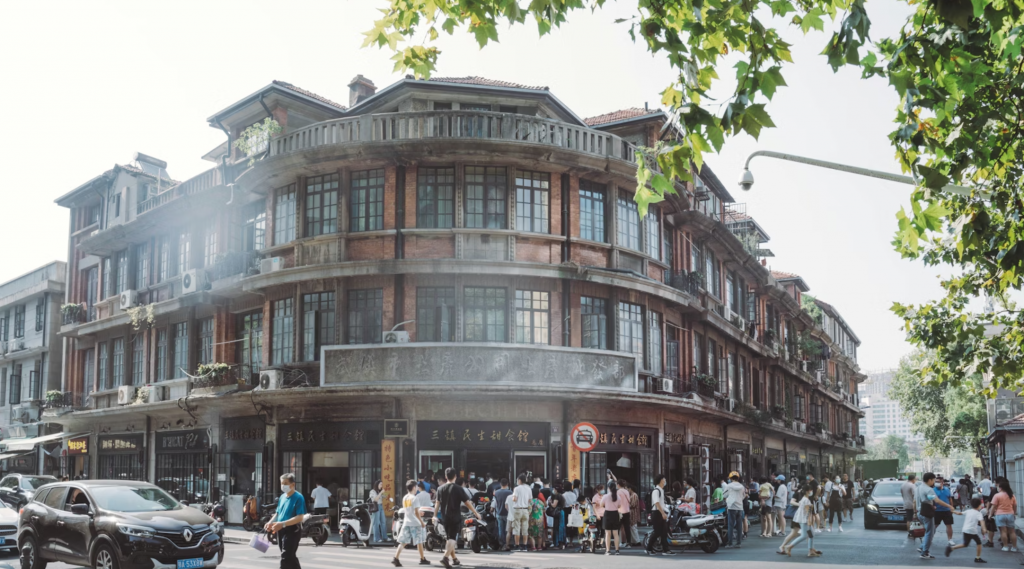
Wuhan, the vibrant heart of central China, is a city where ancient waterways meet modern skylines. Straddling the Yangtze and Han Rivers, it offers travelers a dynamic mix of cultural landmarks, serene lakes, and bustling urban life including shopping, sightseeing, and savoring everything from street snacks to haute cuisine.
With so much to choose from – whether it’s exploring the storied Yellow Crane Tower, unwinding by the serene shores of East Lake, or diving into lively night markets and riverside promenades – a short visit can quickly feel overwhelming.
This guide highlights the essentials of Wuhan for first timers and returning travelers alike, offering a taste of what makes the city pulse with life.
Morning bustle
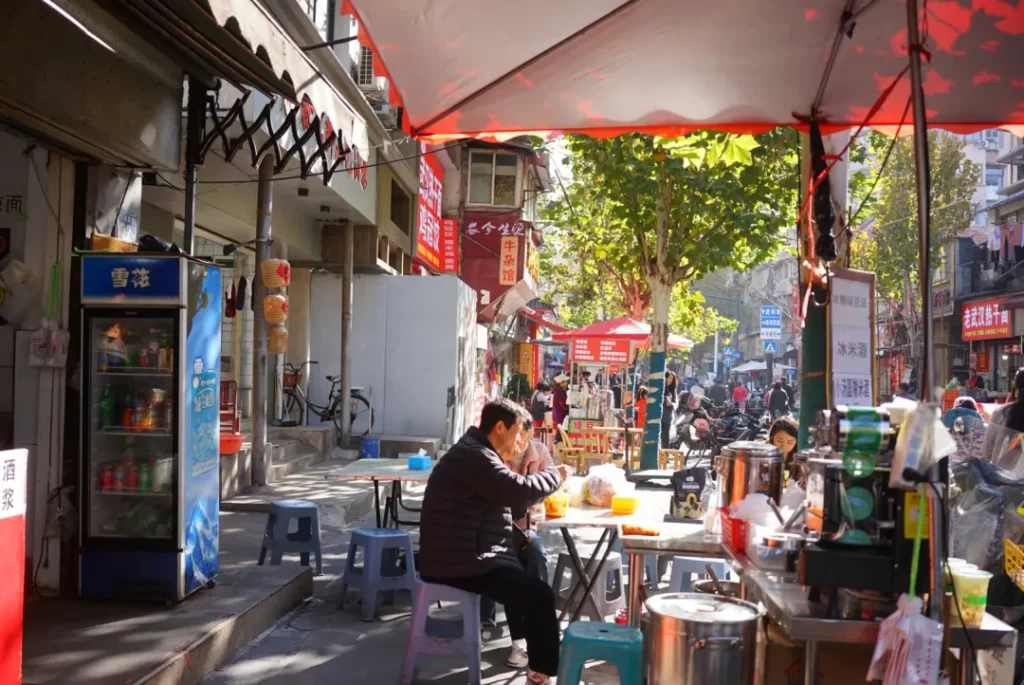
Wuhan locals begin their day with “Guo Zao” – the city’s beloved breakfast ritual – where the aromas of hot dry noodles and bean-skin rolls mingle with the sounds of early-morning street vendors.
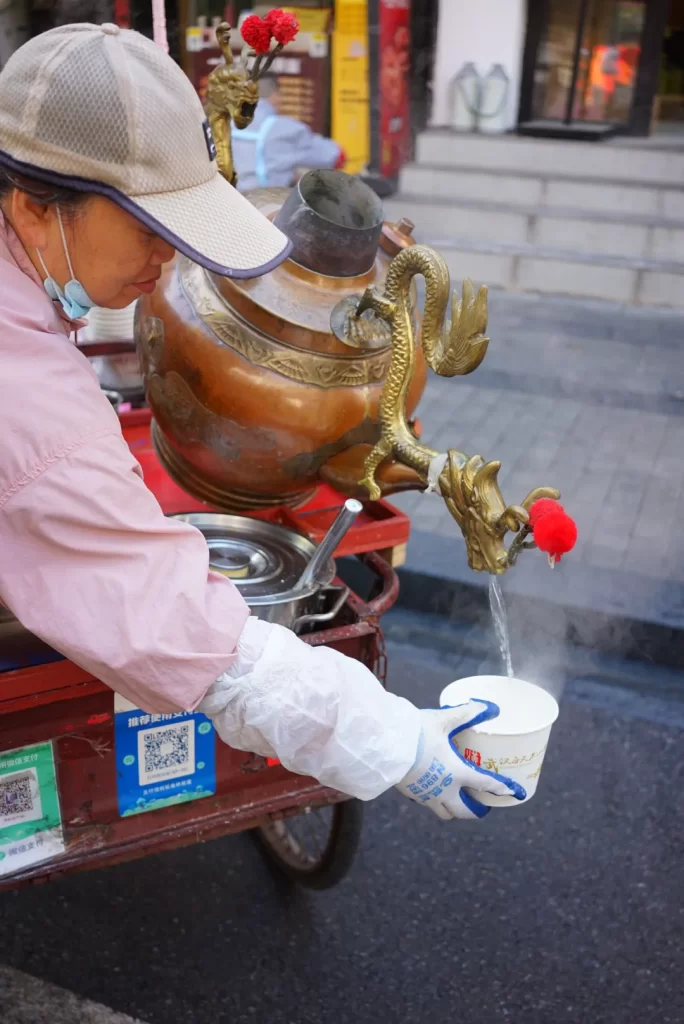
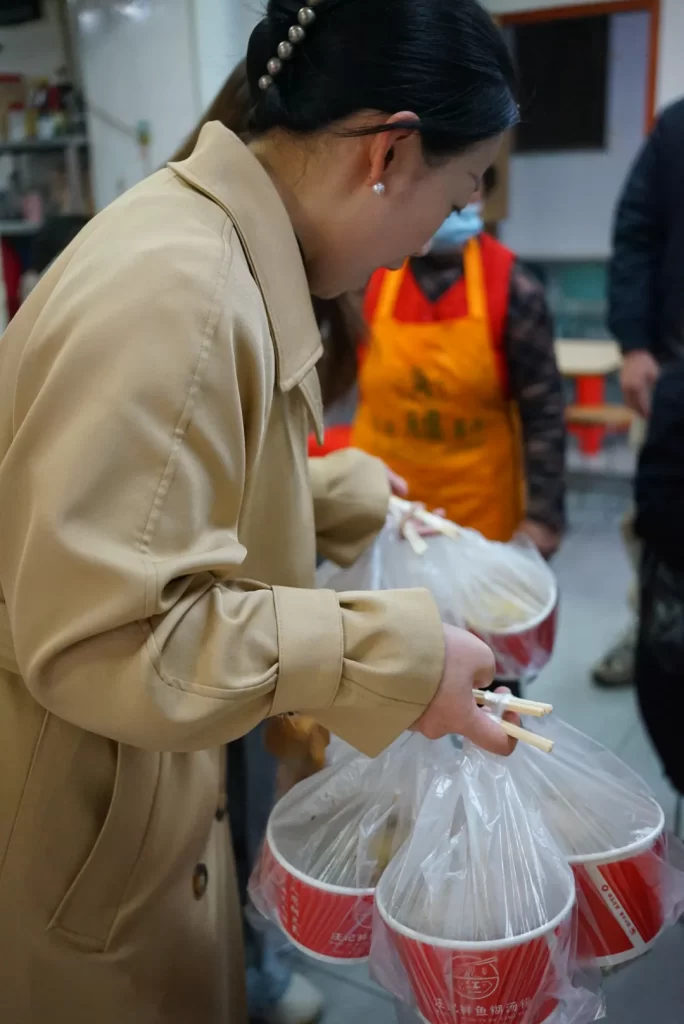
The rise of Guo Zao is inseparable from Wuhan’s dockside heritage. Dockworkers needed quick, high-energy fuel, giving rise to calorie-dense dishes like hot dry noodles, and fostering a distinctly Wuhan style: breakfast eaten on the go. Over time, it evolved into food culture.
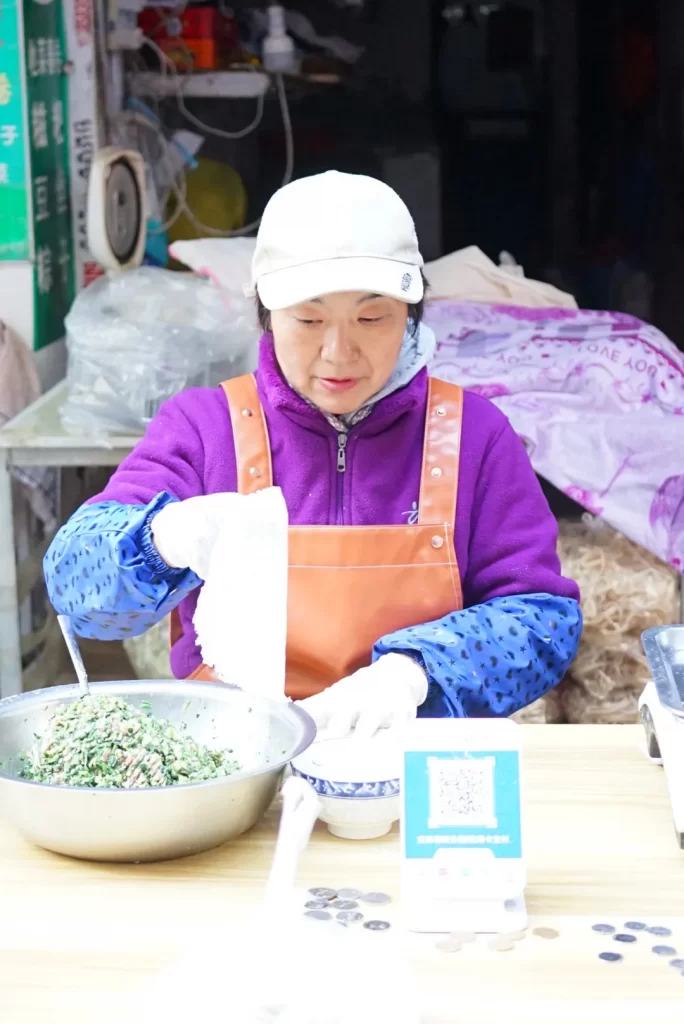
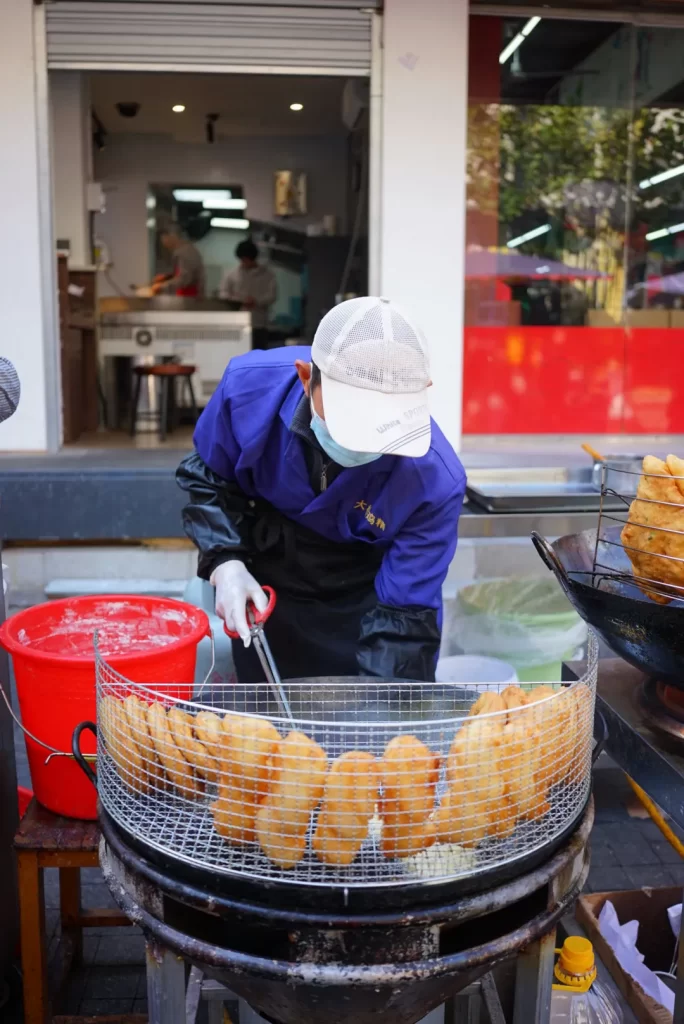

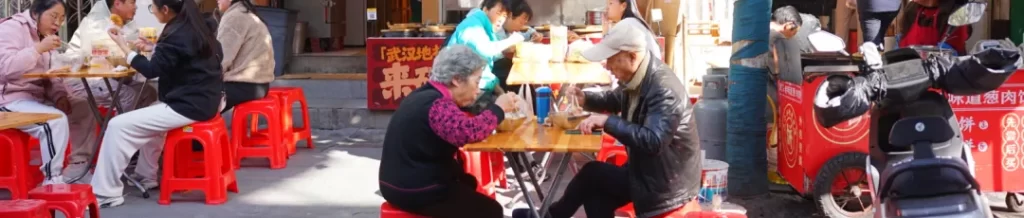
One of the city’s most beloved breakfast hubs is Shanhaiguan Road in the old town, a 400-meter stretch brimming with morning flavors. From 5 a.m., queues spill onto the street, earning it the nickname “a carb-lover’s paradise.”
The renovated district is now home to nearly 30 breakfast stalls serving more than 30 classic Wuhan bites, from hot dry noodles to steamed soda buns.
Must-try favorites include Shuanghuang Beef Noodles with generous cuts of tender beef paired with springy noodles, Xu’s sticky rice wrapped in fried dough, and Jinsanjiao’s stewed soup which simmers for hours over slow coal heat.
Midday ease
*Hubei Provincial Museum
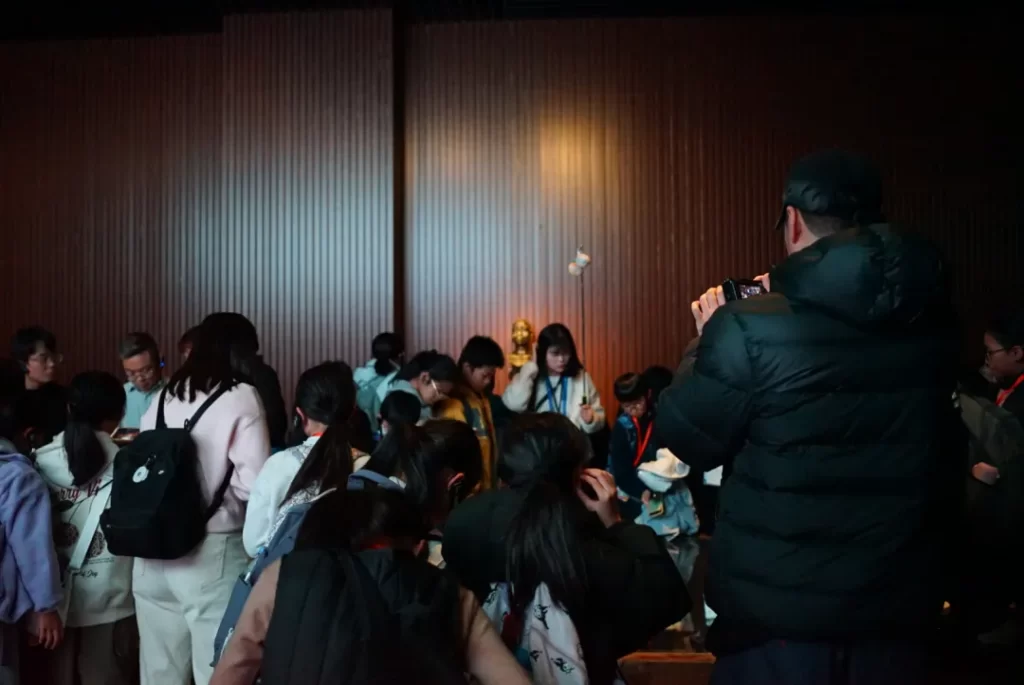
Even on a weekday afternoon, the Hubei Provincial Museum hums with activity, drawing independent travelers, tour groups, and schoolchildren who journey in from across the country.
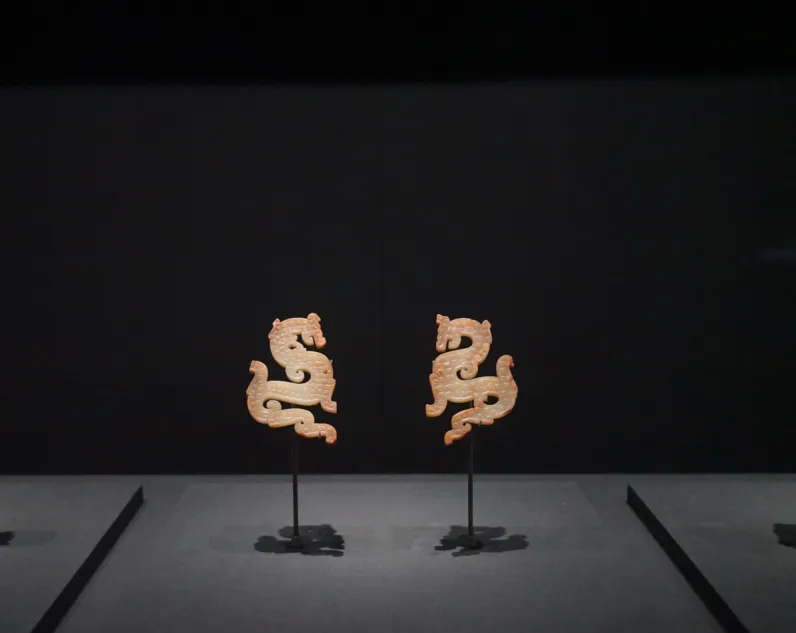
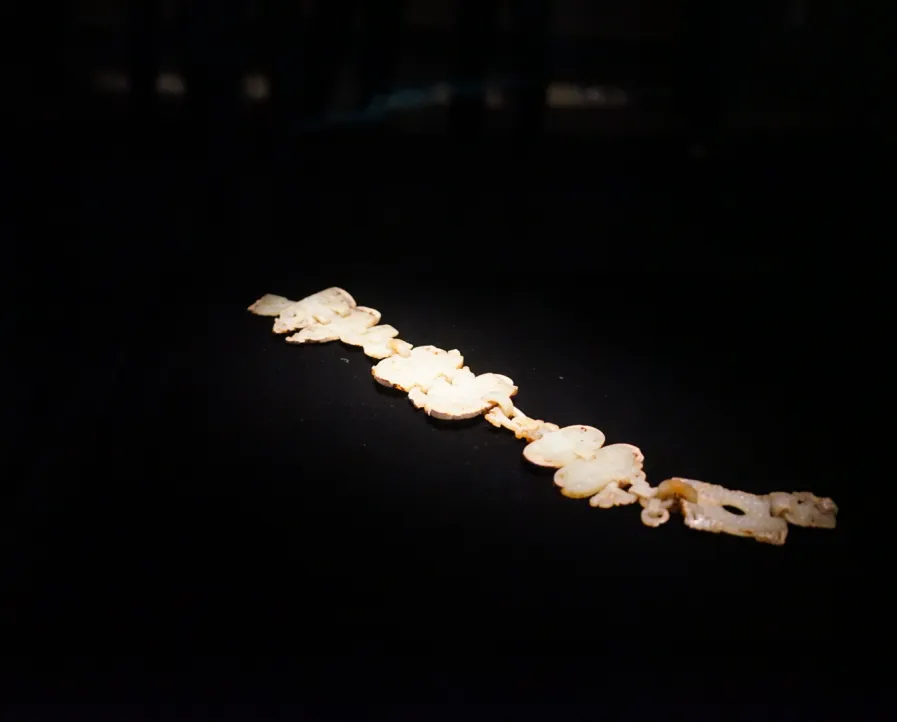
Home to over 460,000 artifacts, the museum offers an engaging window into the region’s past civilizations, especially the Chu and Zeng culture.
Its most iconic treasures include the Sword of Goujian, the monumental set of bronze bells, and extensive finds from the Tomb of Marquis Yi of Zeng and the Baoshan tombs.
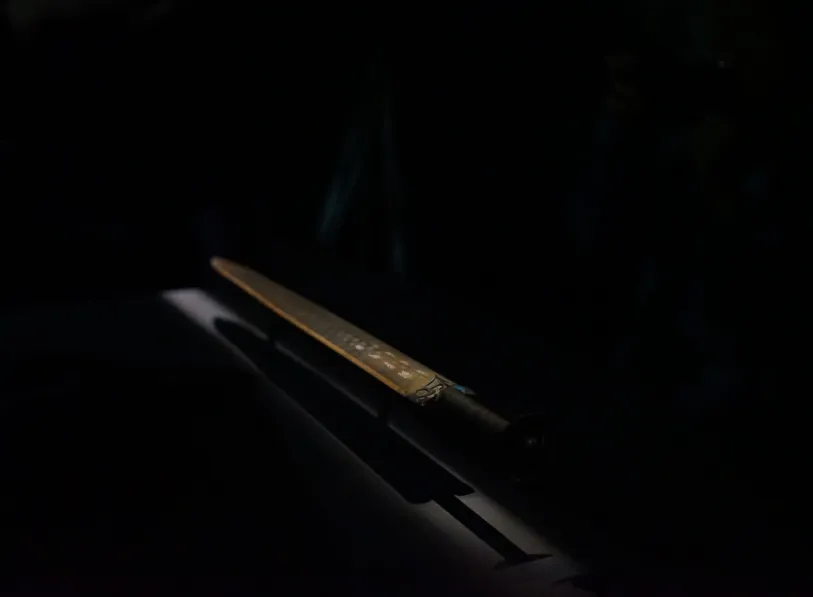
The Sword of Goujian is the crown jewel, presented in a dedicated special exhibition that showcases the legendary blade’s mystique. Complementing the exhibition is an immersive performance experience that further brings the artifact’s historical context to life.
Admission is free, though reservations are essential.
*East Lake

Just steps from the Hubei Provincial Museum lies East Lake, Wuhan’s sprawling urban oasis on the south bank of the Yangtze River. As China’s largest city park, it combines natural beauty with seasonal botanical wonders. Seasonal highlights encompass the world-renowned Cherry Blossom Garden, the Plum Blossom Garden, and the Botanical Viewing Garden, featuring over 360 plant species.
Explore the lake via Mo Hill, Tingtao, Luoyan, and Chuidi, where visitors can boat, cycle, stroll, or watch wildlife. Don’t miss the Bird Forest, East Lake Ocean Park, the city’s largest inland sand beach, and the Friendship Forest.
Offering both locals and travelers a peaceful retreat, East Lake is a must-visit for natural beauty and leisure all year long.
Evening comfort
*Rong Xuan
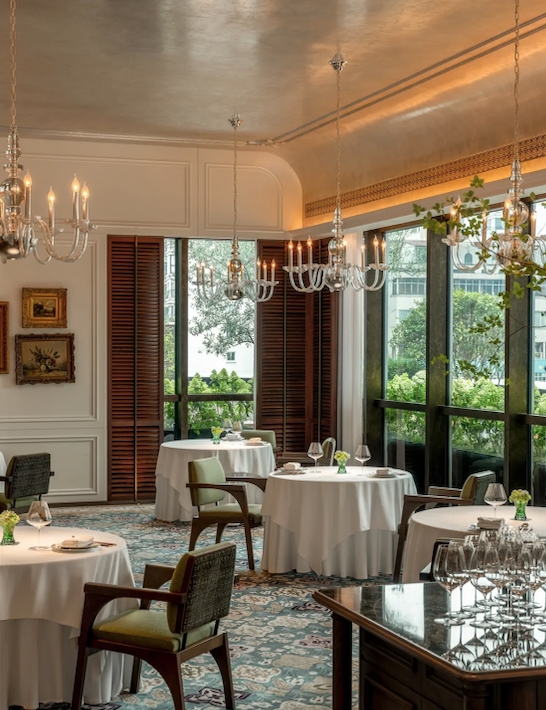
Xin Rong Ji, which is one of Greater China’s most distinguished fine-dining groups while hodling the region’s largest number of Michelin stars, enters the Wuhan market, and central China, with the debut of Rong Xuan, launched in partnership with chef-turned-restaurateur Ming Liu.
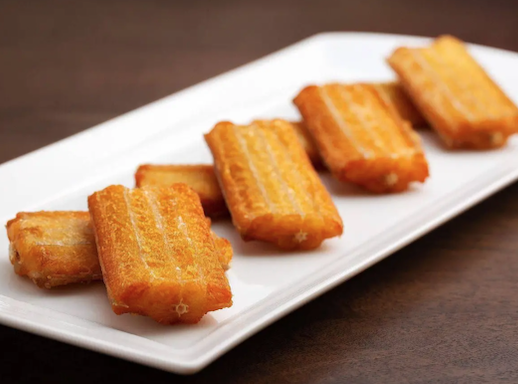
Staying true to the Taizhou culinary heritage that defines Xin Rong Ji, Rong Xuan delivers a commitment to authenticity supported by a meticulously managed supply chain. Fresh seafood such as Taizhou crabs and shrimps are dispatched on the early bullet train at about 7 a.m. each morning, arriving at the restaurant just hours later.
While Taizhou cuisine remains the core, Liu also brings in flavors close to his heart, incorporating Sichuan flavors – the food he grew up with – adding layers of depth and personality to Rong Xuan’s menu.
*Lan Mansion
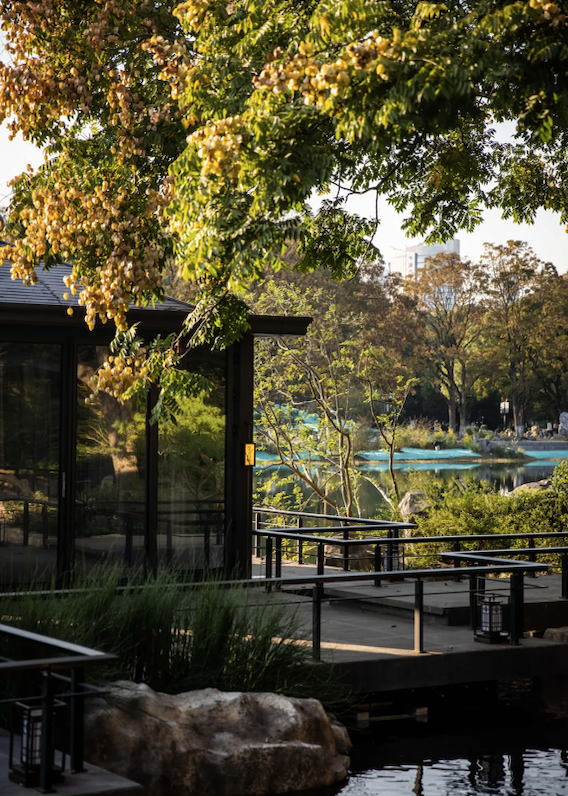
Although Lan Mansion has no corporate ties to Xin Rong Ji, it is the independent vision of founder Ming Liu as above.
In just two years, it has emerged as one of Wuhan’s standout fine-dining destinations, known for its thoughtful exploration of Hubei’s native flavors and its modern take on Chu cuisine.
The team looks to the region’s terroir – drawing ingredients from the fertile Jianghan Plain to the rugged mountains of western Hubei – and interpret ingredients such as wild lotus root, Wuchang fish, mountain yam, lotus seeds, and more.
By honoring each ingredient’s natural integrity, Lan Mansion has shaped a contemporary Chu palate built on freshness, gentle heat, and refined balance.
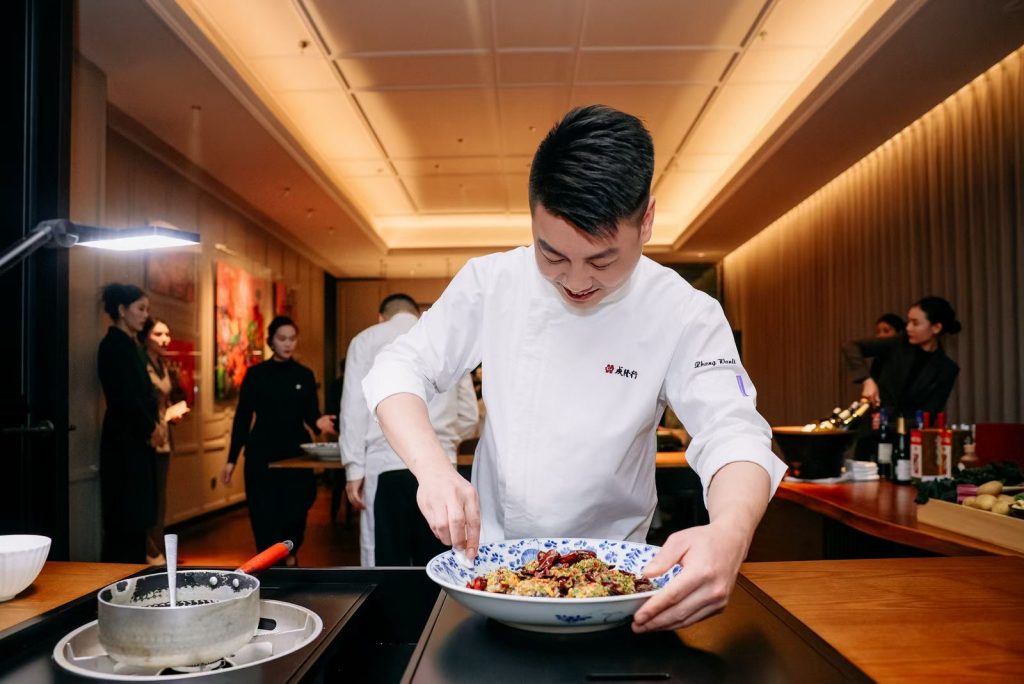
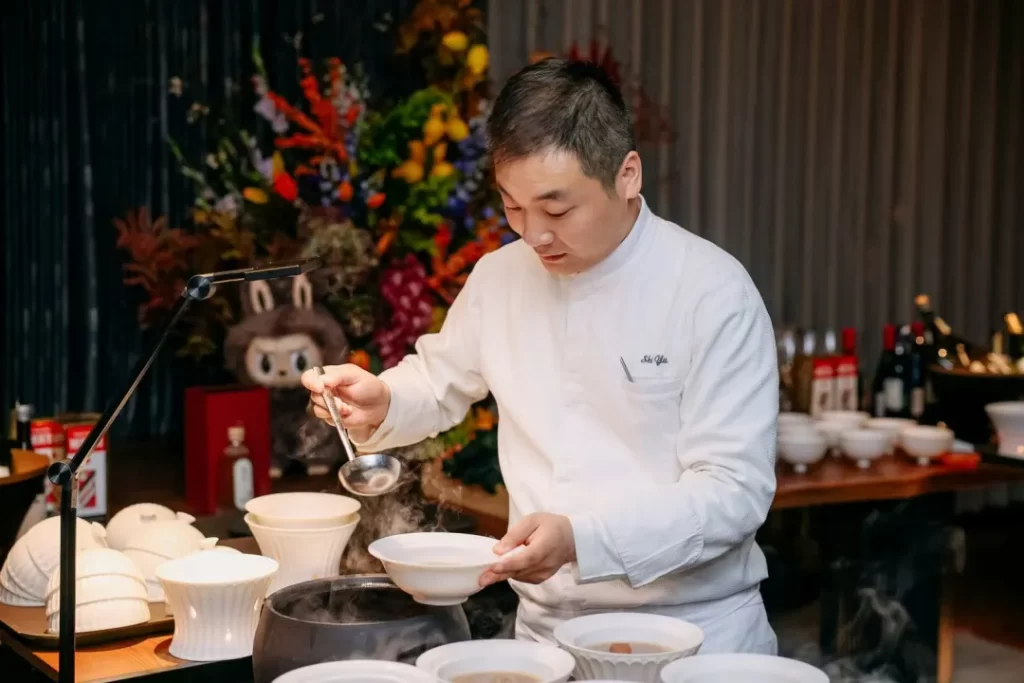
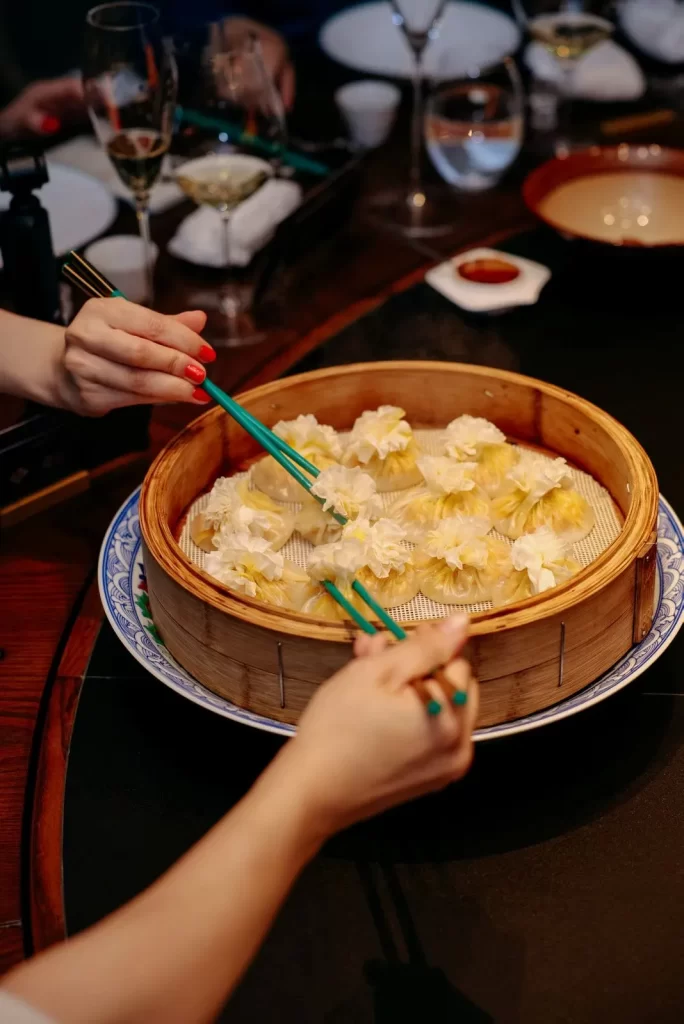
For its 2nd anniversary dinner, the restaurant unveiled a crab feast curated by Xie Wang Fu, using 200 handpicked hairy crabs and extracting only their finest roe and meat. Through steaming, braising, pan-searing, and frying, the menu highlighted the depth and richness of Chu flavors and maintained the region’s pursuit of seasonality and ingredient purity.